

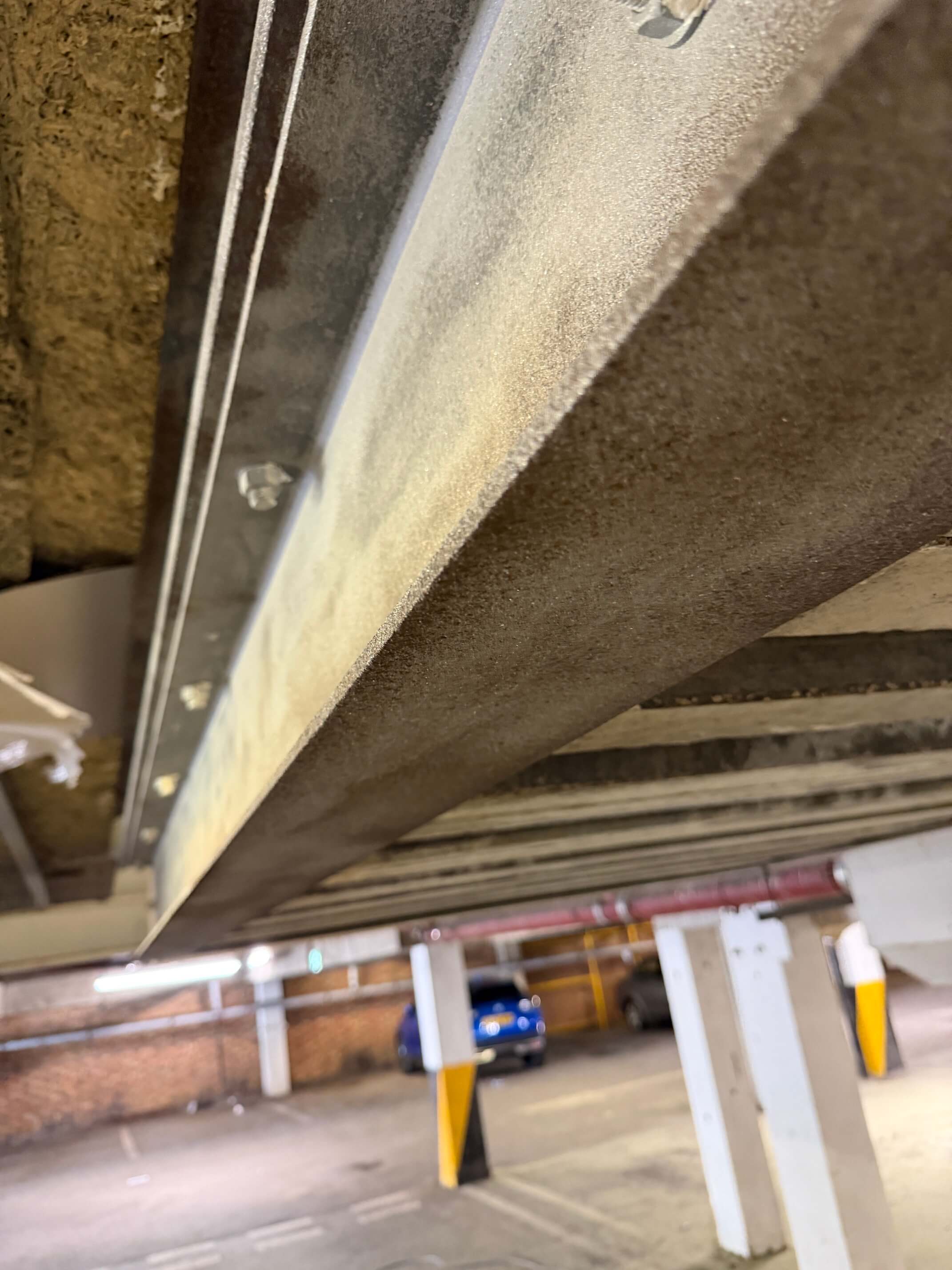
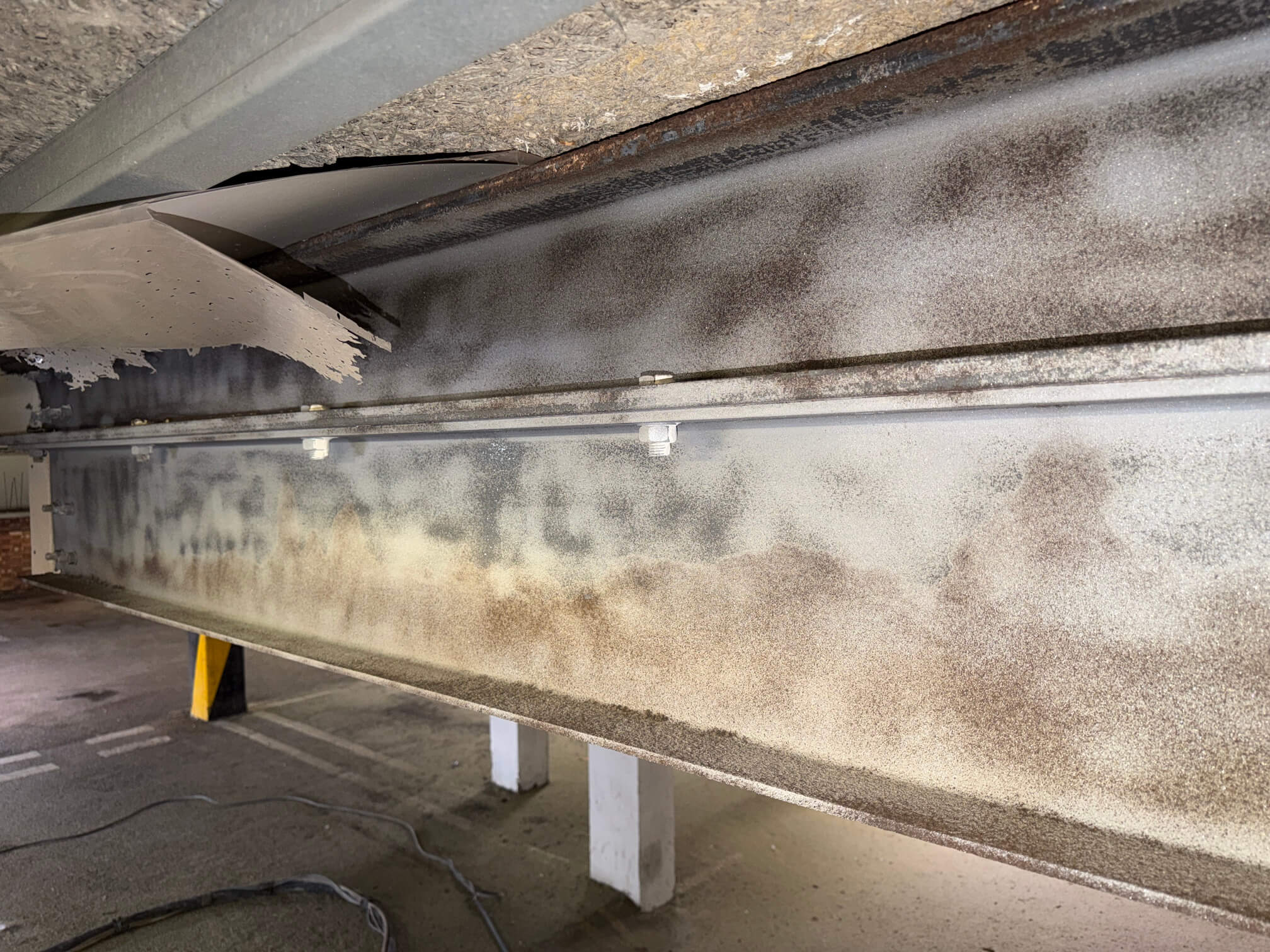
About abrasive blasting
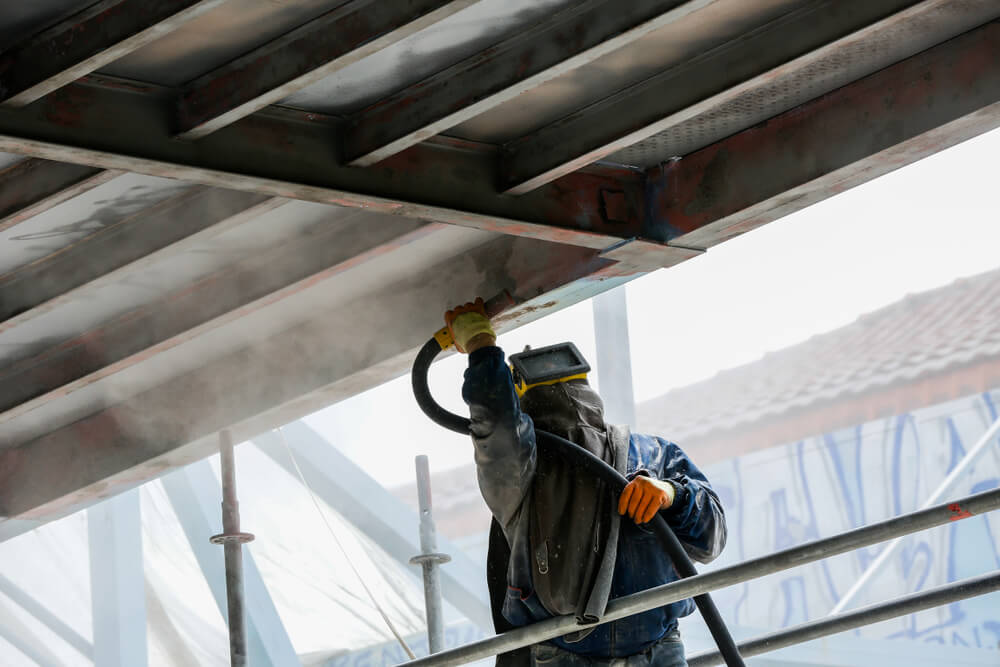
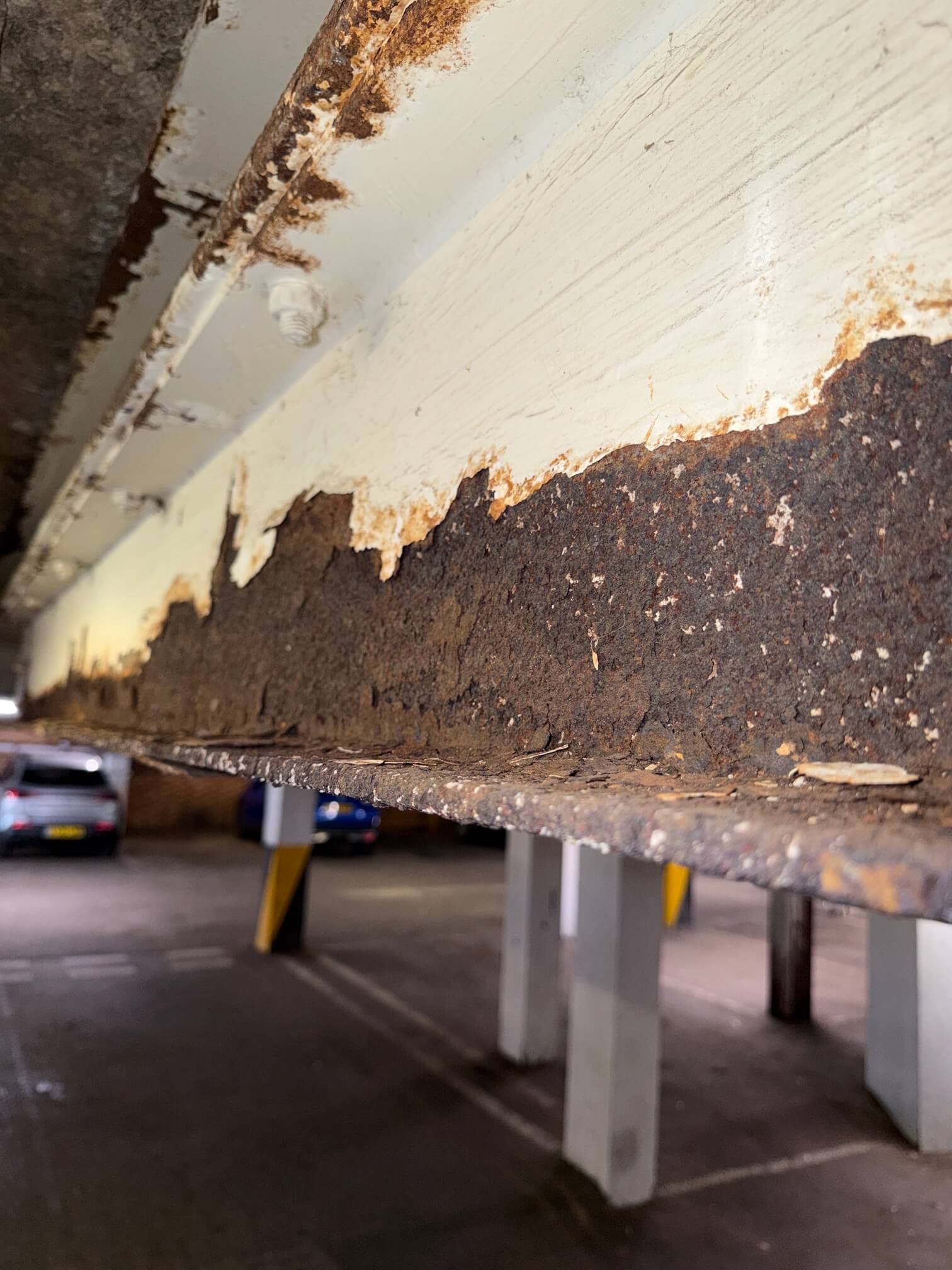
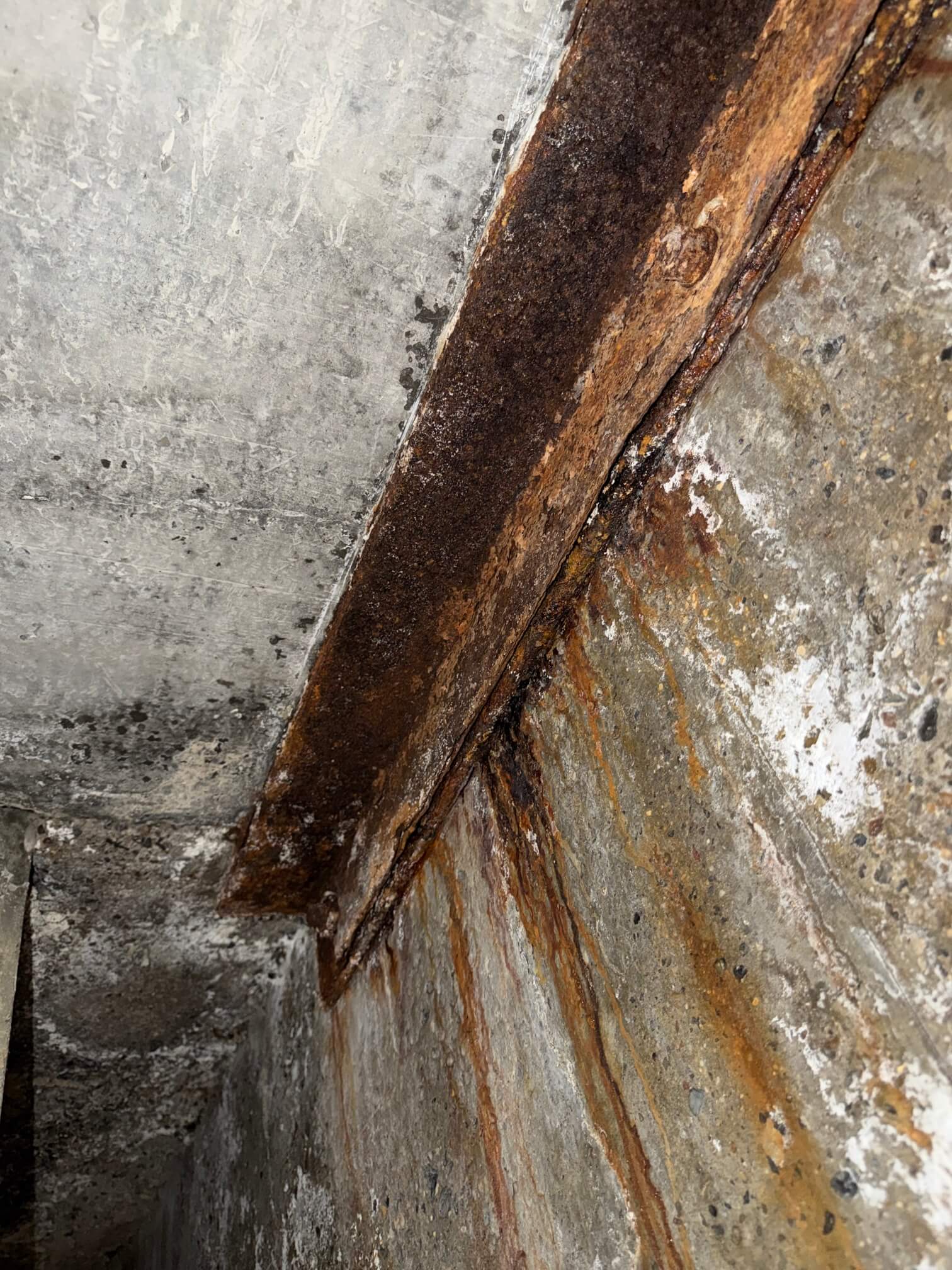
Abrasive blasting is a mechanical surface preparation process used to clean, strip or profile commercial and industrial substrates. It removes corrosion, failed coatings, mill scale, contamination and surface deposits more effectively than standard cleaning or sanding.
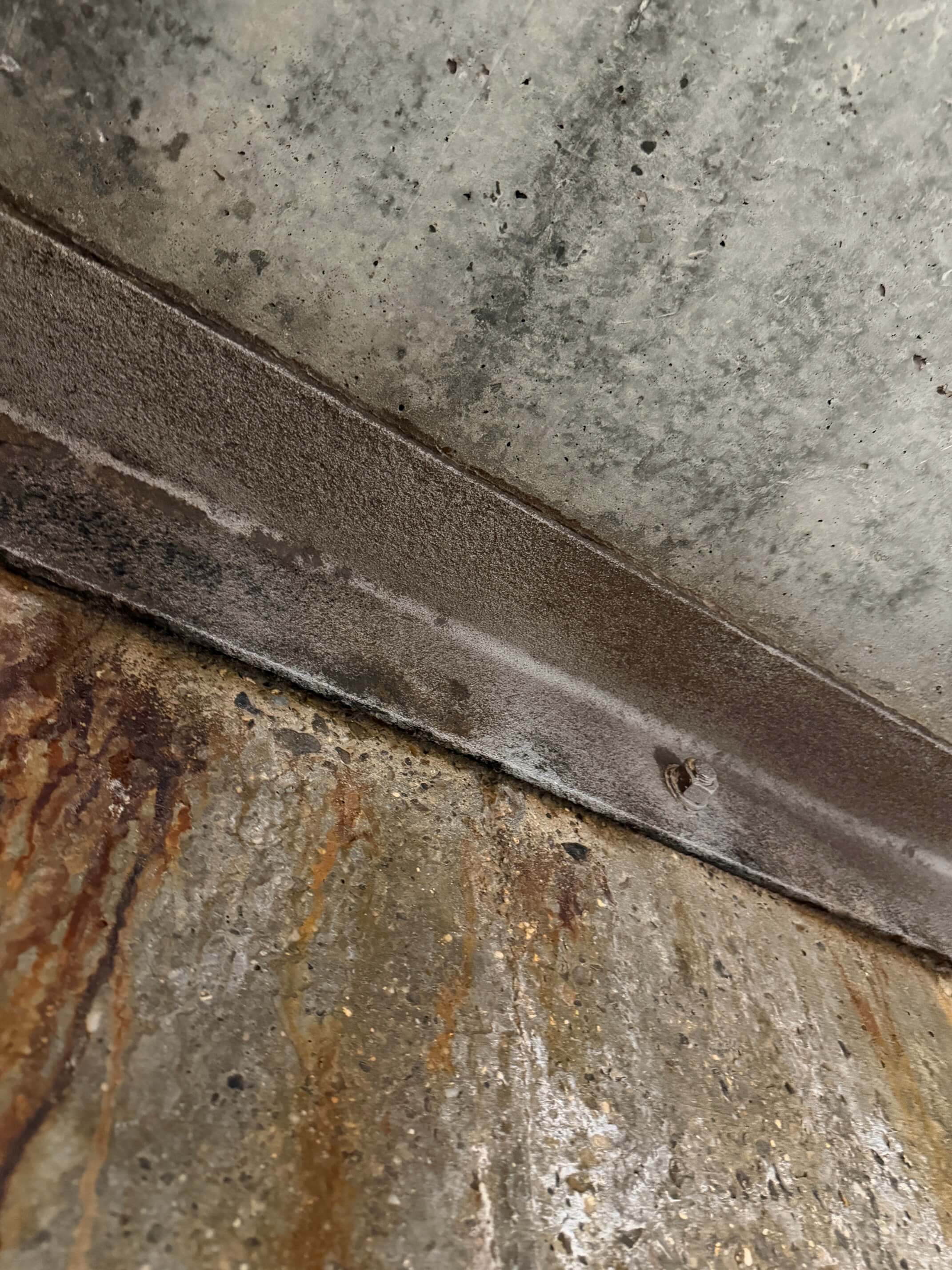
The service is often used before protective coatings are applied. A properly blasted surface gives primers and coating systems a better chance of bonding and performing as expected.
Where abrasive blasting is used
Typical applications include:
- Structural steel
- Beams and columns
- Industrial machinery bases
- Tanks and vessels
- Railings and barriers
- Concrete surfaces
- Masonry
- Brickwork
- Plant areas
- Bridges and external structures
- Workshop components
The method is selected around the substrate, coating to be removed, required profile and working environment.
Blasting methods and media
Abrasive blasting can use different media depending on the surface and project requirements. The goal may be to remove old coatings, clean corrosion, create a profile for new coatings or expose a cleaner substrate.
Some environments require containment, extraction or careful waste control. Open blasting may not be suitable in every location, particularly where dust, debris or neighbouring operations need protection.
Suitable substrates
Abrasive blasting can be used on steel, concrete, masonry, brick and some industrial components. The substrate must be suitable for the selected method. Softer materials may require a gentler approach, while heavily corroded steel may need more intensive preparation.
Refurbs assesses the surface before confirming the blasting method.
Containment and protection
Blasting creates dust and waste material, so containment is a major consideration. Depending on the project, works may require sheeting, screening, enclosed areas, extraction, exclusion zones and controlled waste removal.
Nearby surfaces, equipment, vehicles, stock and occupied areas must be protected. Refurbs plans containment around the site conditions and client operations.
Follow-on coatings
Abrasive blasting is often followed by primer application, corrosion protection, intumescent coatings, metal coatings or other protective systems. Timing matters because prepared steel can start to oxidise quickly in certain conditions.
Where Refurbs is also applying coatings, the blasting and coating programme can be coordinated to reduce delays and protect the prepared surface.
Benefits of abrasive blasting
Abrasive blasting can help:
- Remove corrosion and failed coatings
- Create a surface profile for coatings
- Improve coating adhesion
- Prepare steel and masonry properly
- Support long-term protective systems
- Reduce coating failure risk
- Refurbish industrial components
- Prepare surfaces for inspection or repair
Why choose Refurbs
Refurbs plans abrasive blasting around safety, containment, access, waste, surface requirements and follow-on coatings. We provide RAMS, structured project planning and clear communication for commercial and industrial clients.


.png)
.png)
.png)
.png)




nucolour-london-sprayers-logo.png)