Understanding cut edge corrosion
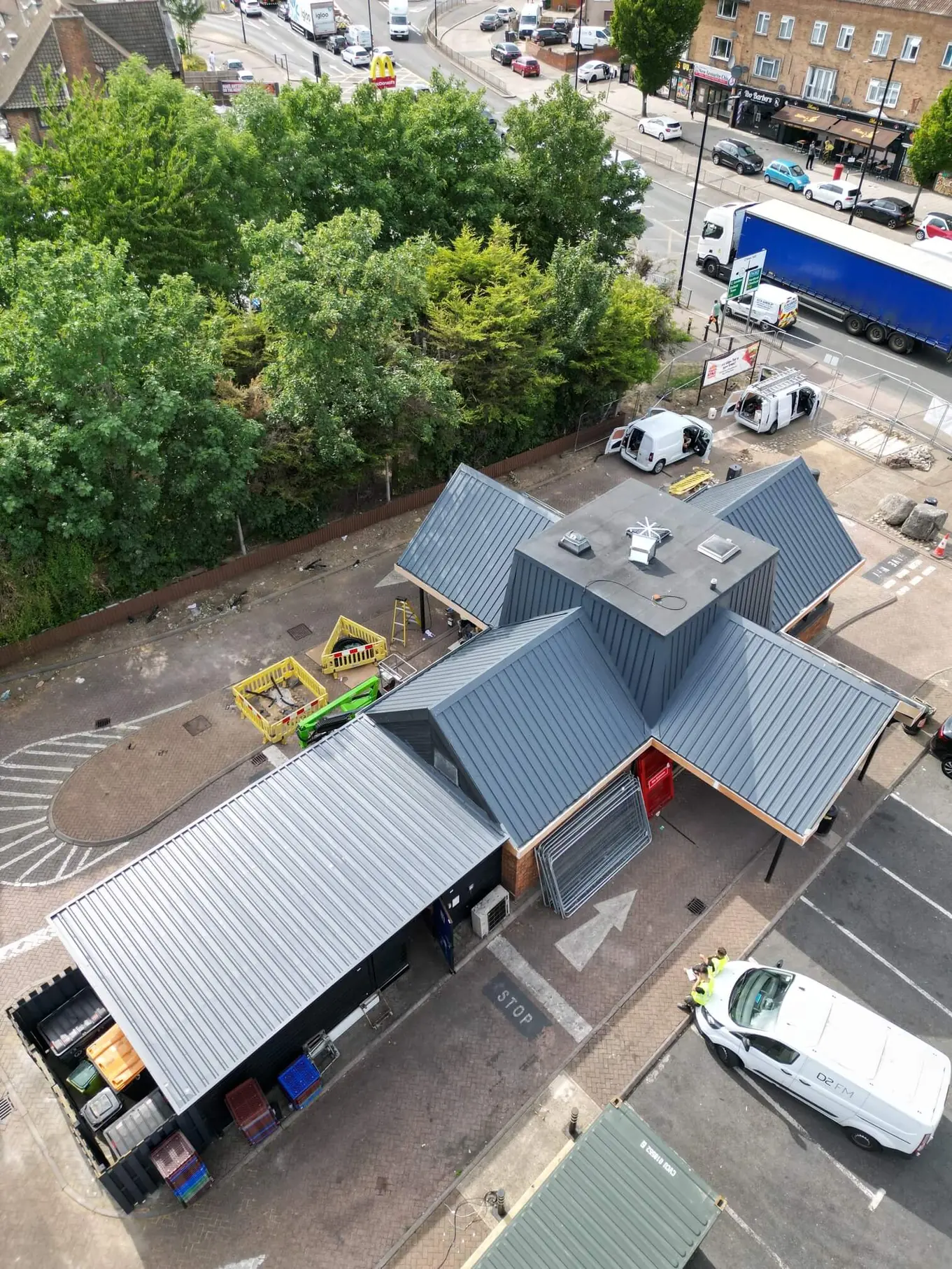
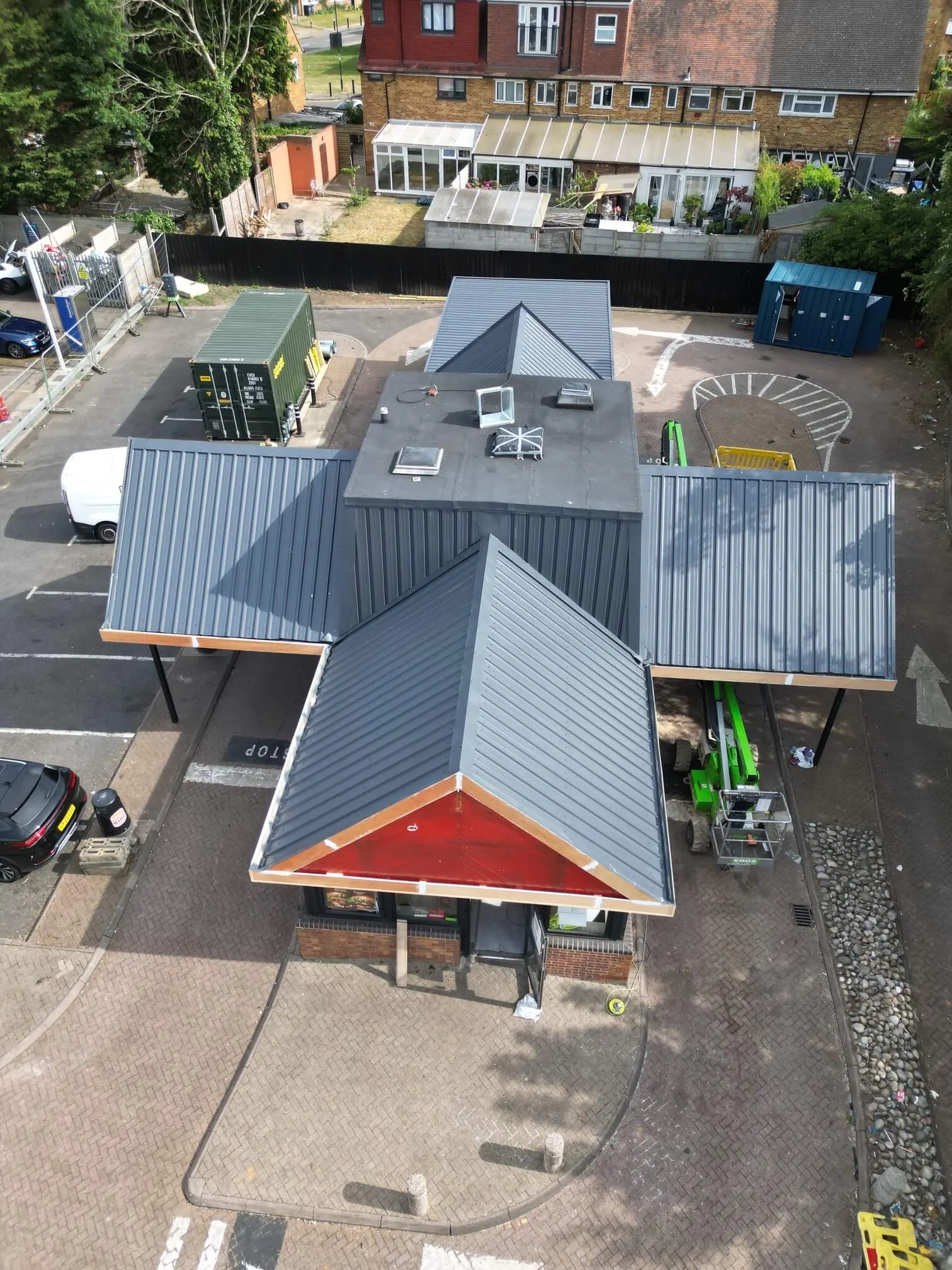
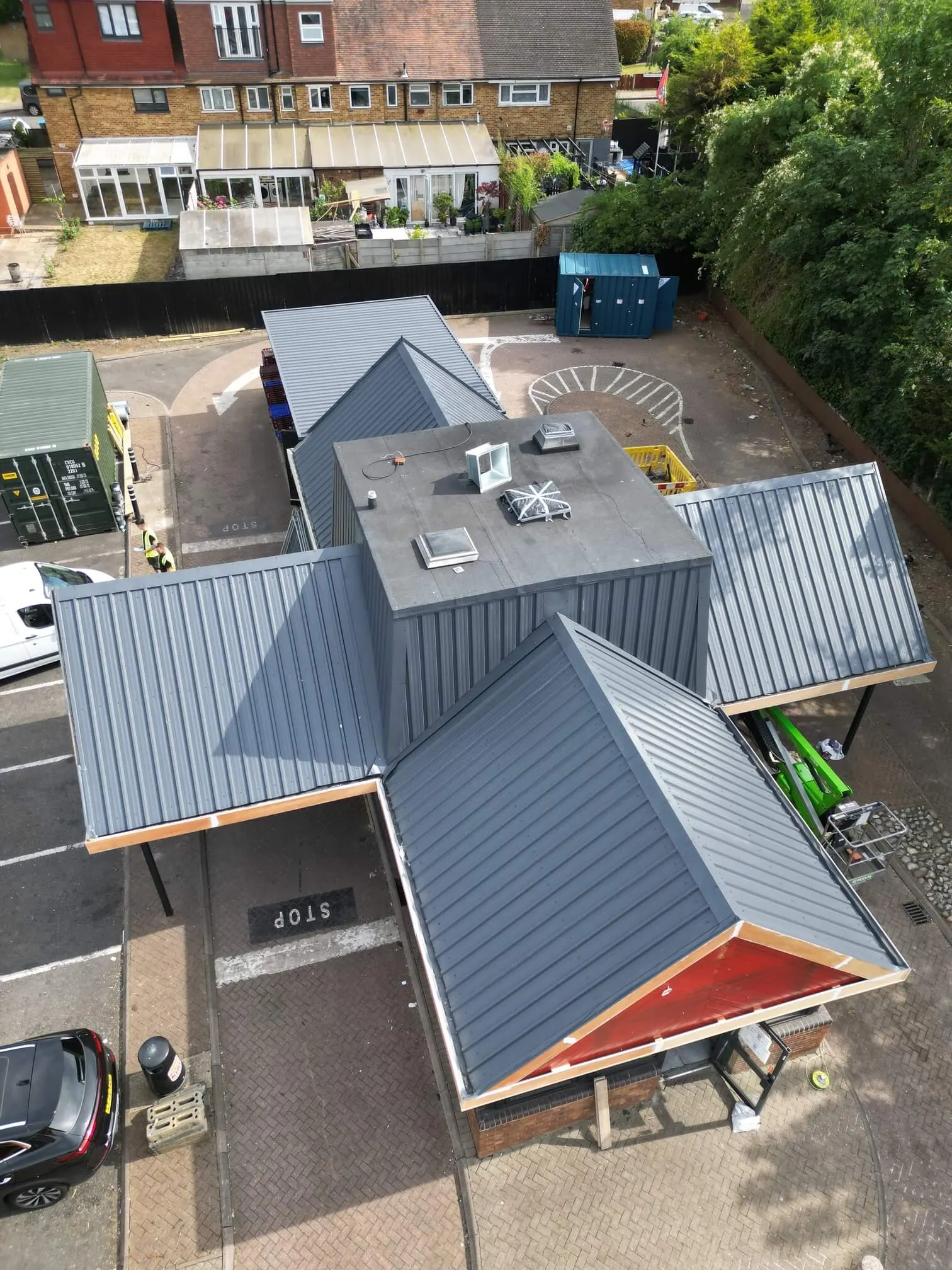
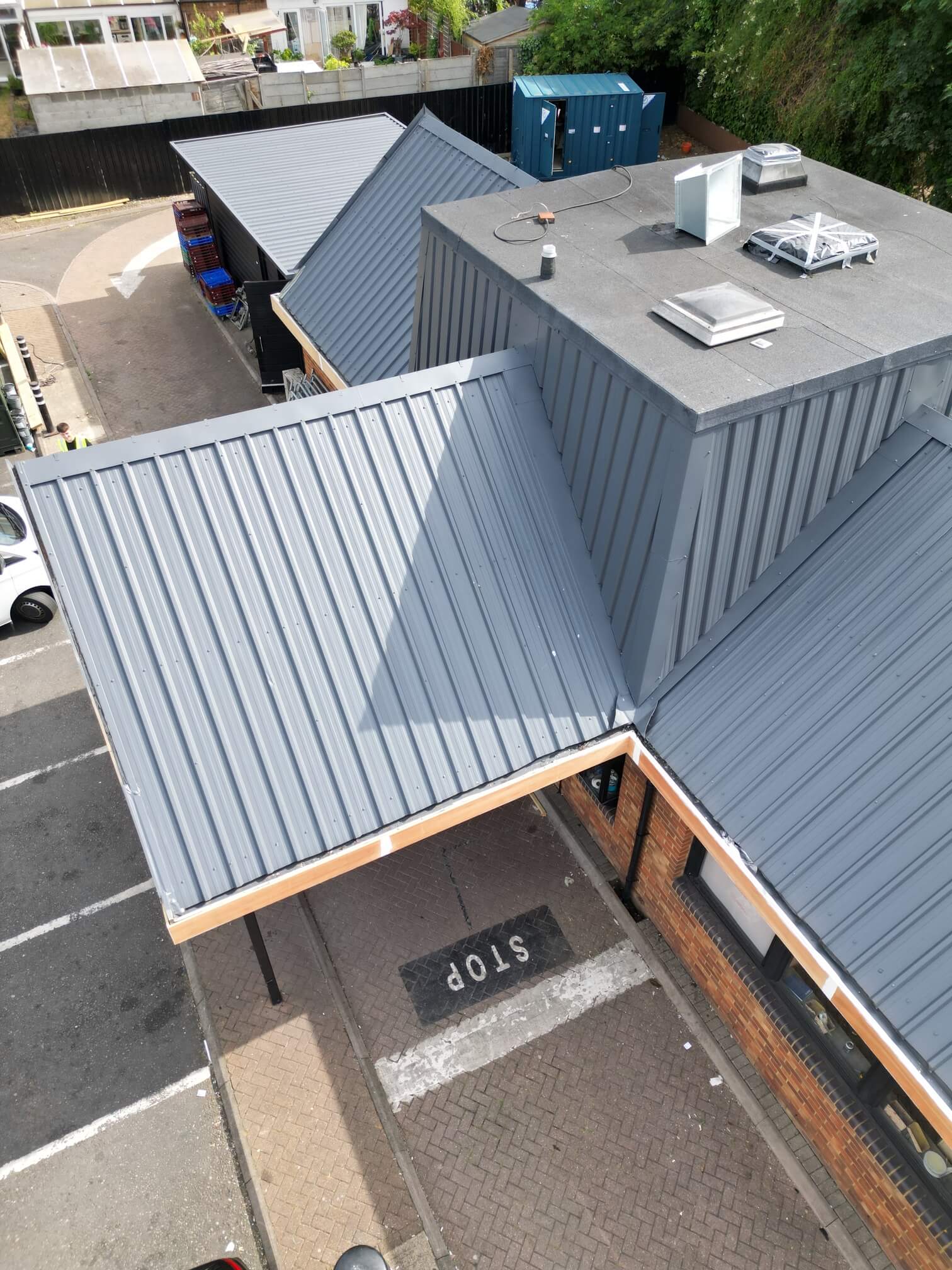
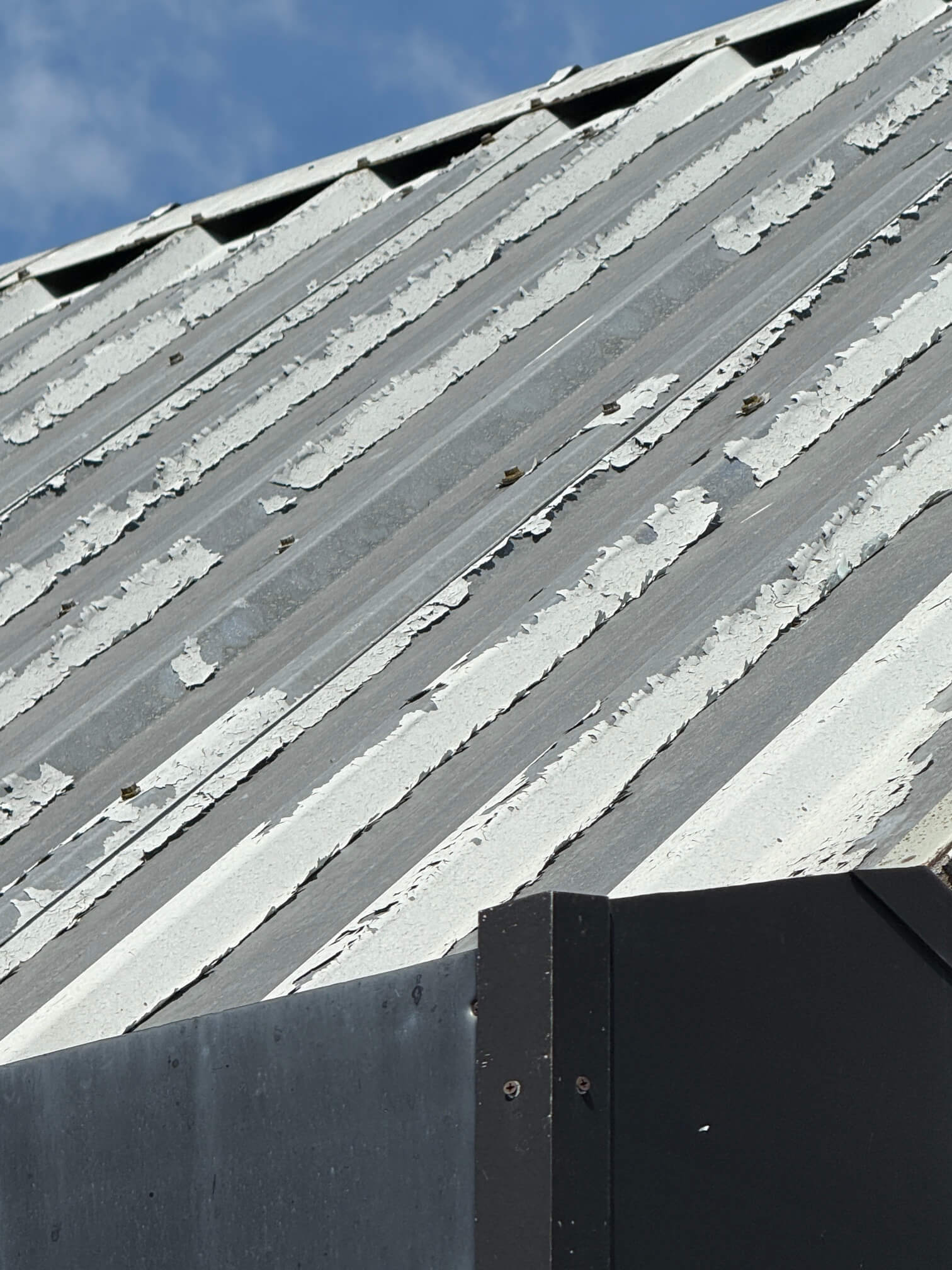
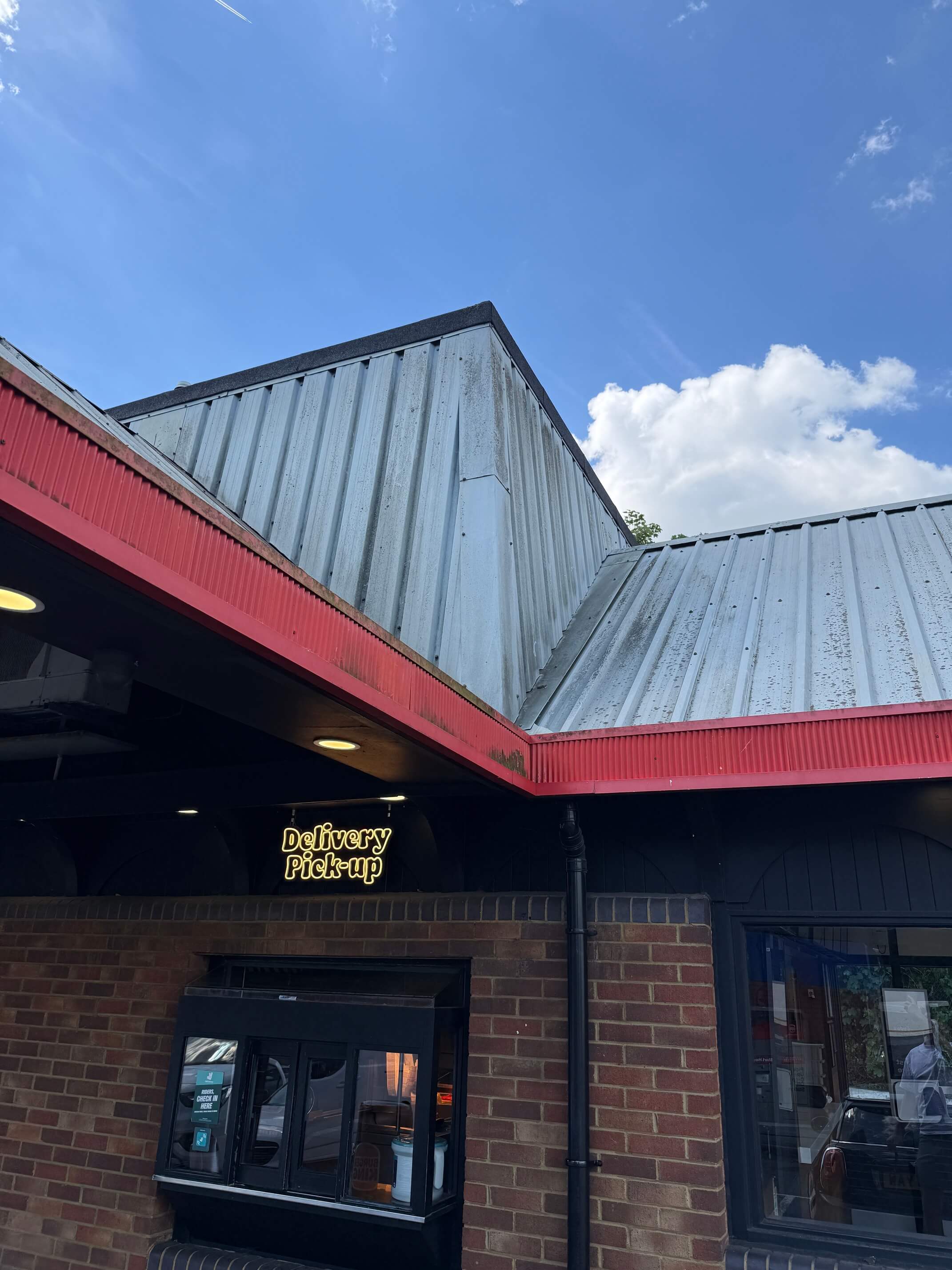
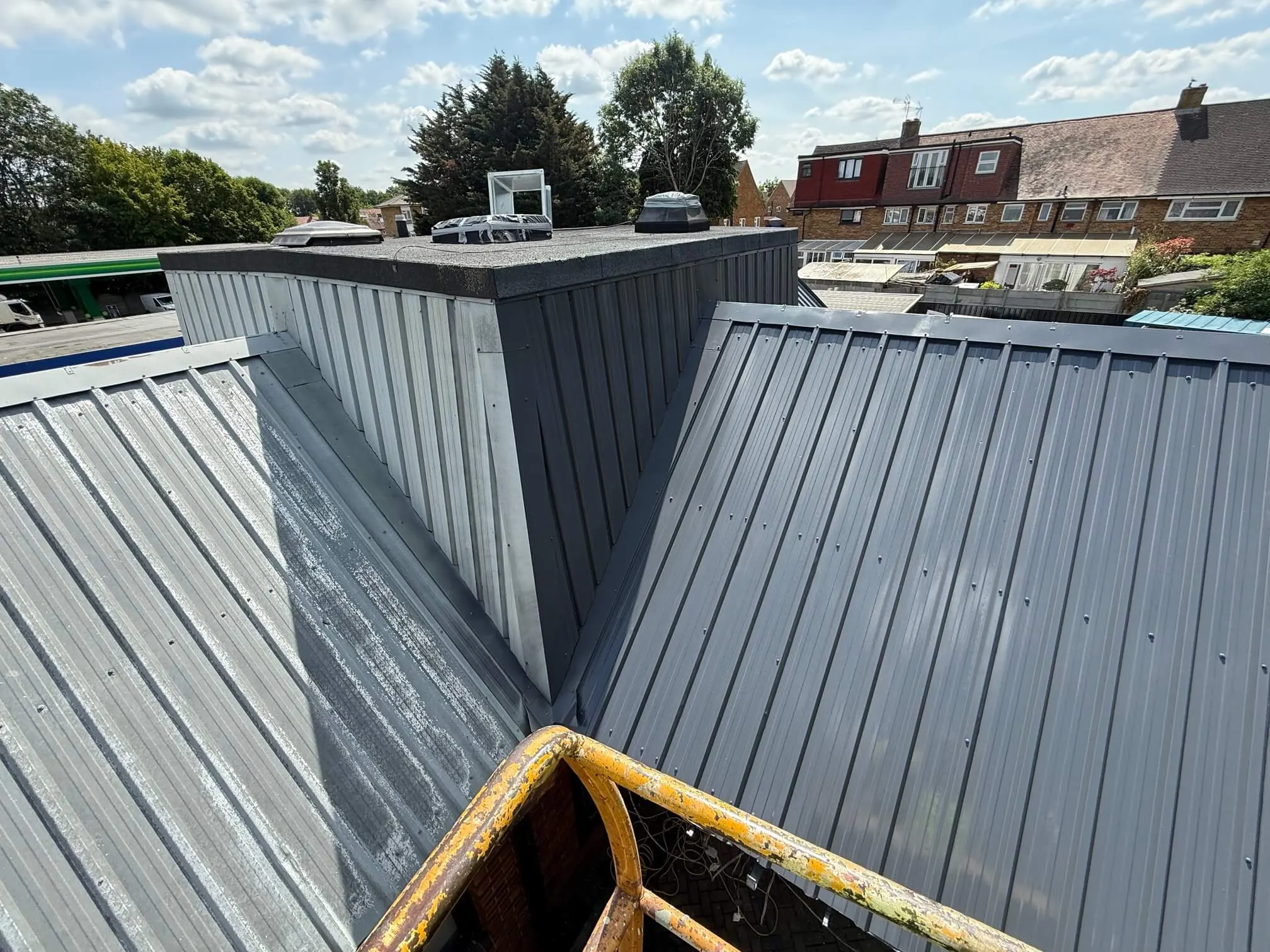
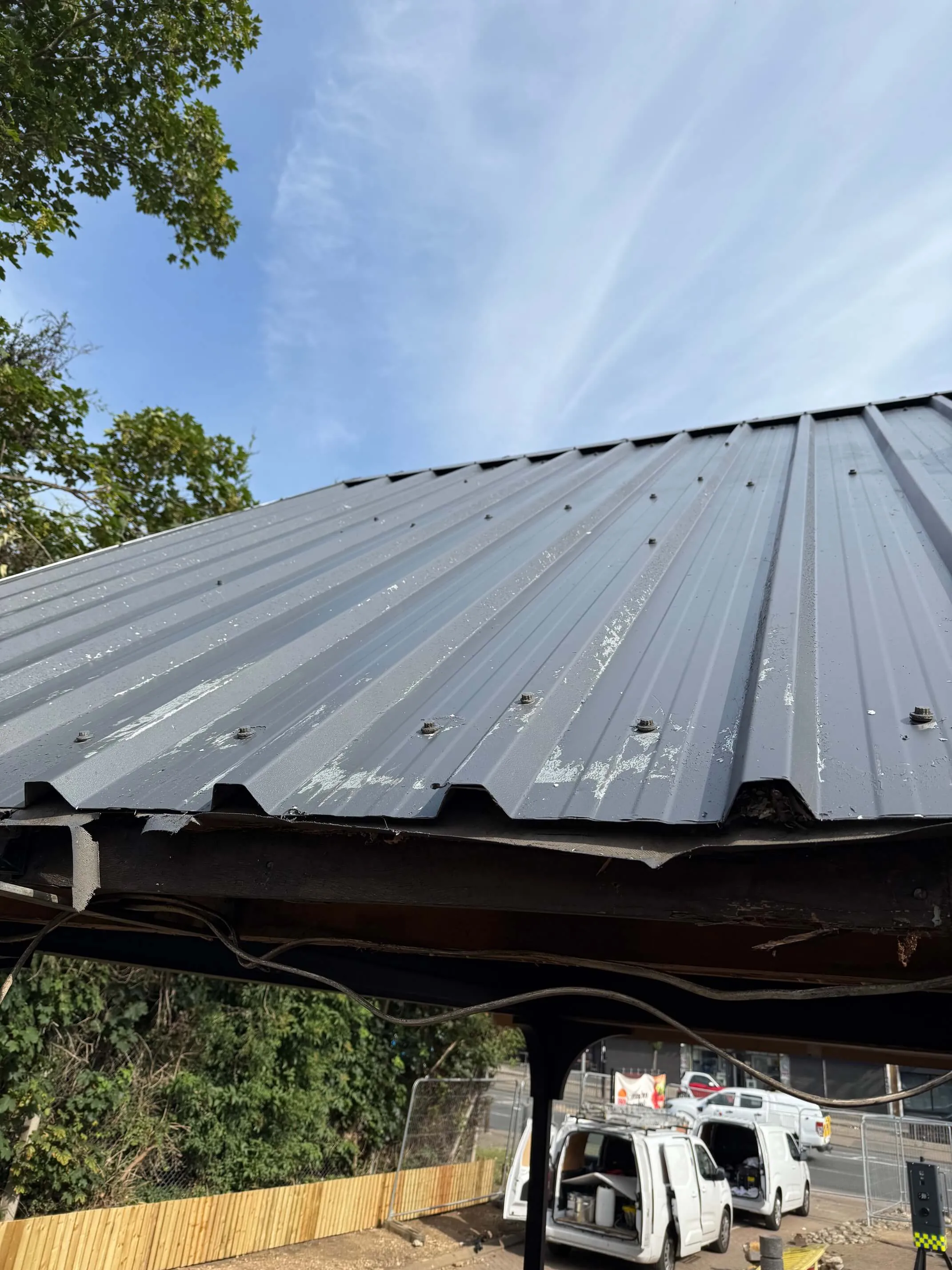
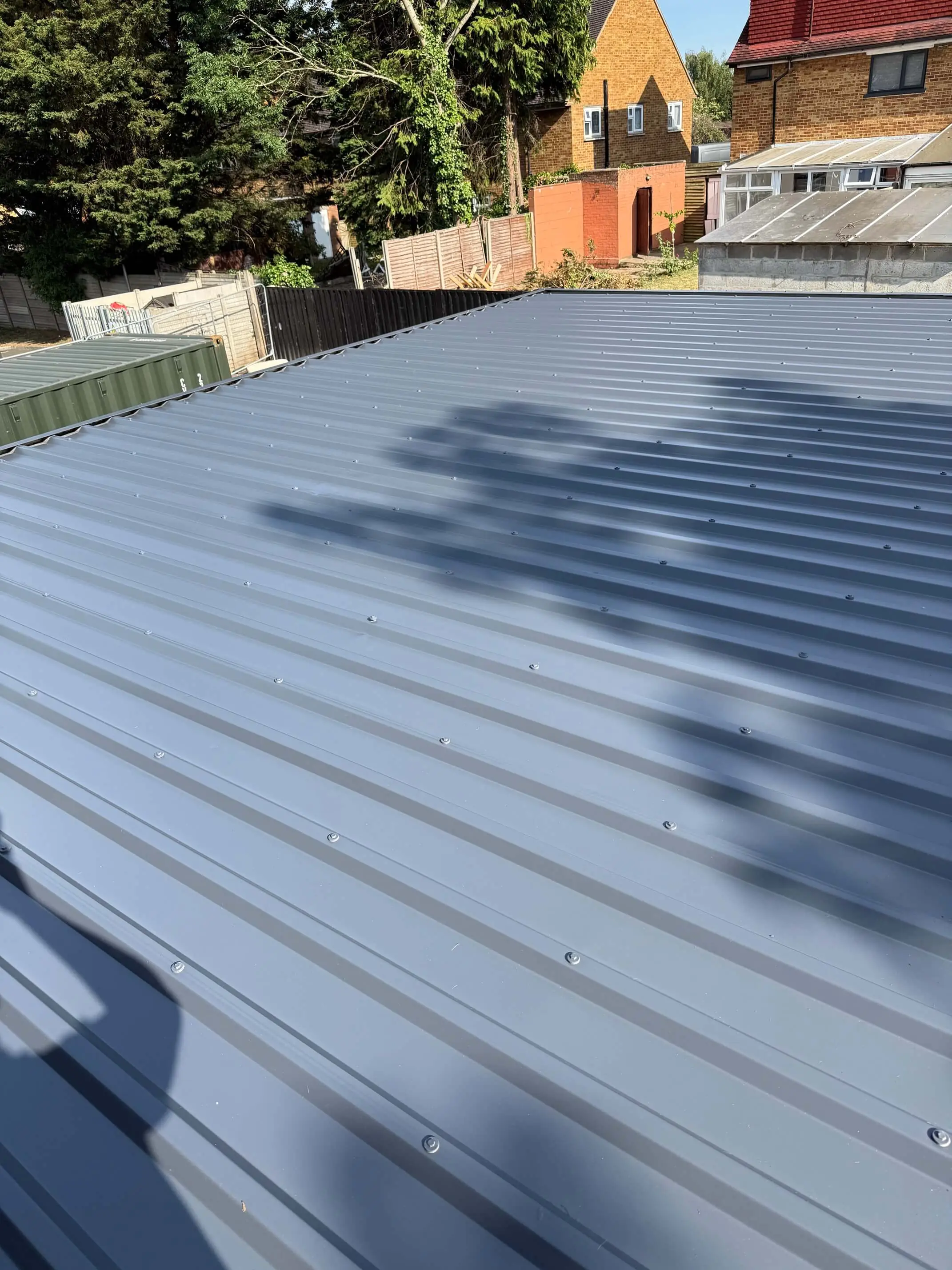
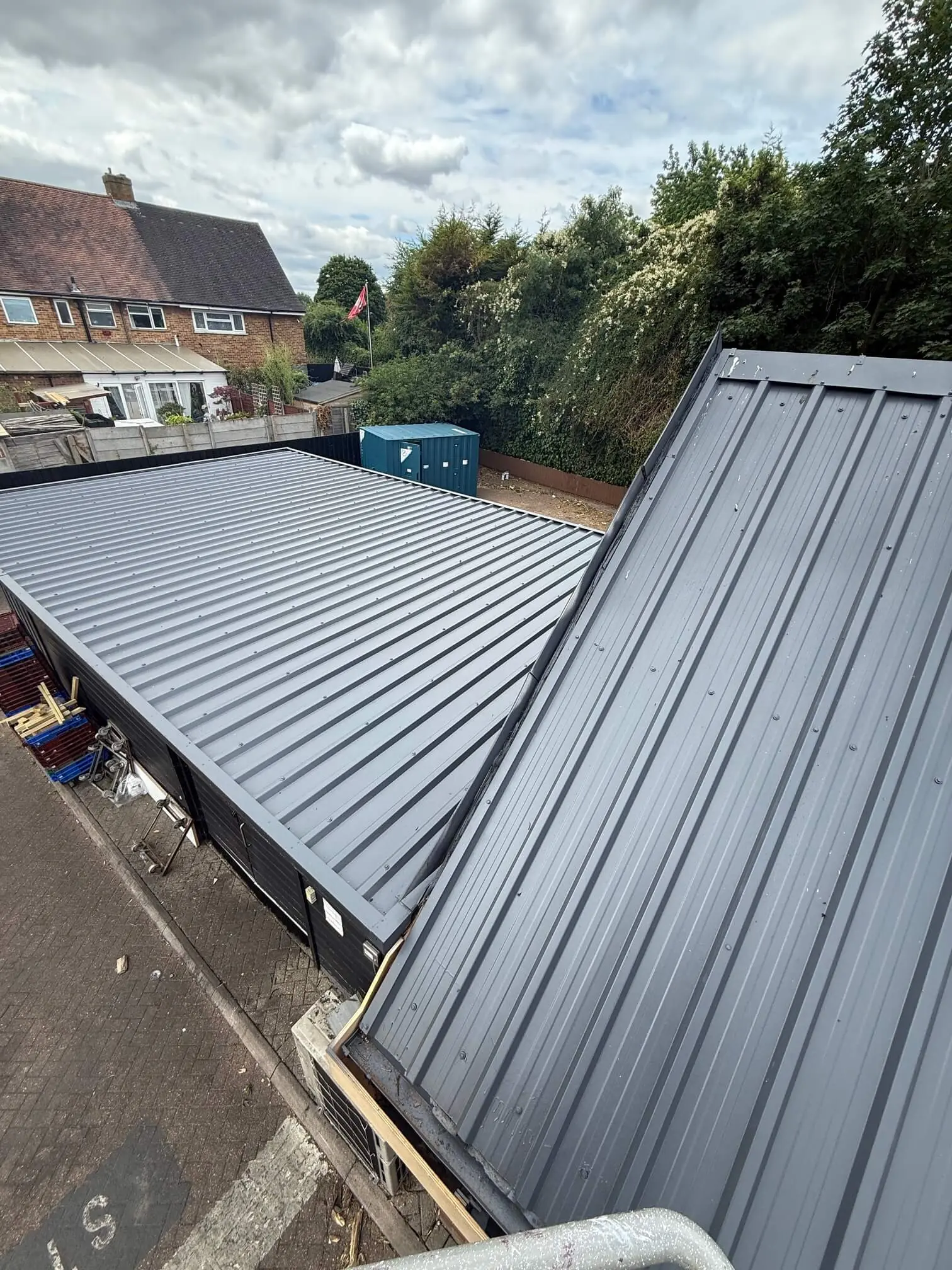
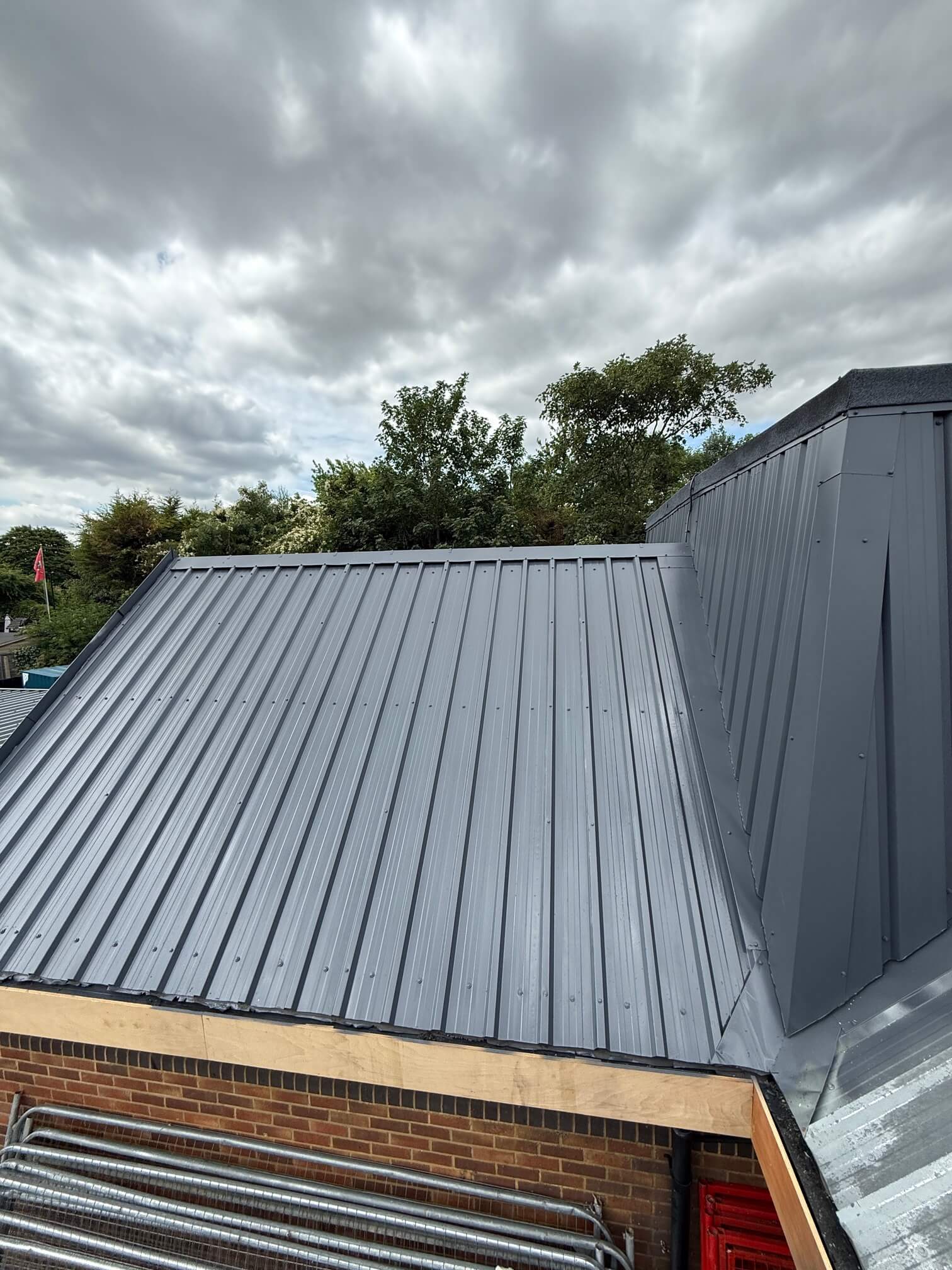
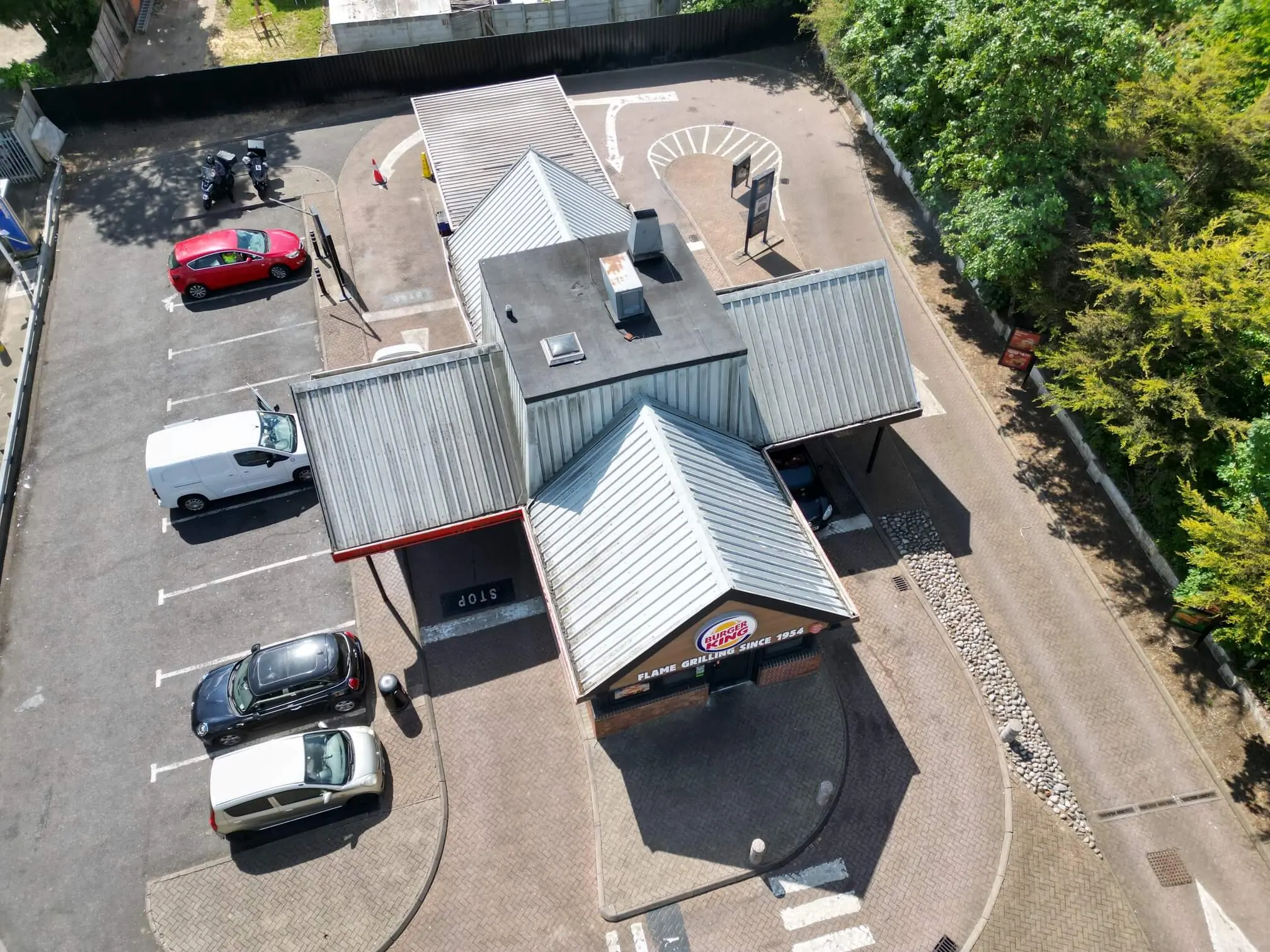
Profiled metal roof sheets have protective factory finishes, but cut edges can leave the underlying metal exposed. Corrosion may start at eaves or sheet overlaps and progress beneath the coating. Visible signs can include rust staining, lifting paint and deterioration around the edge.
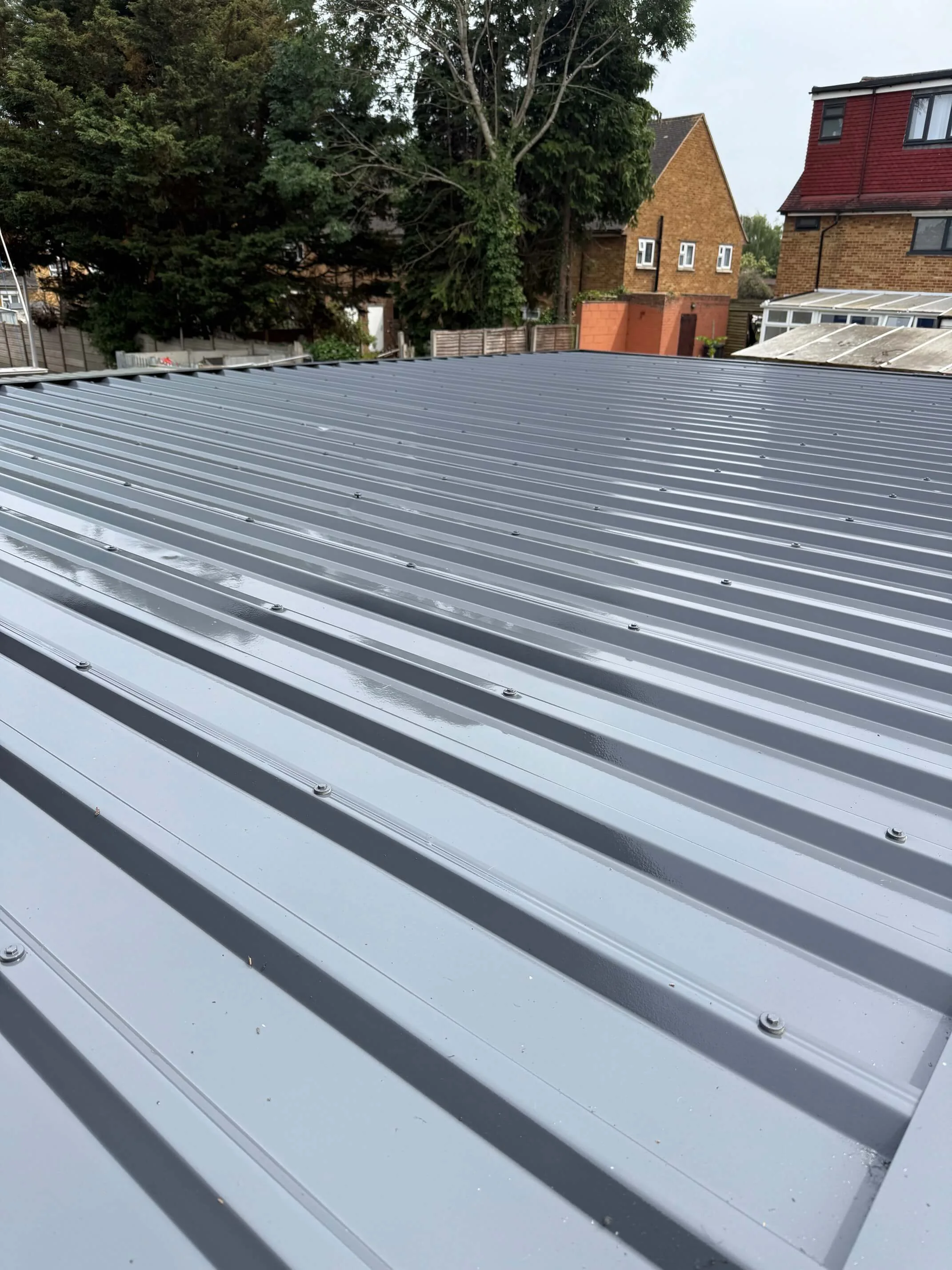
At an overlap, the detail matters as much as the exposed face. Moisture can be retained between sheets, so a suitable treatment may need to address the lap and accessible underside of the edge. The approach must follow the chosen system's detail rather than simply painting over visible rust.
Survey before specification
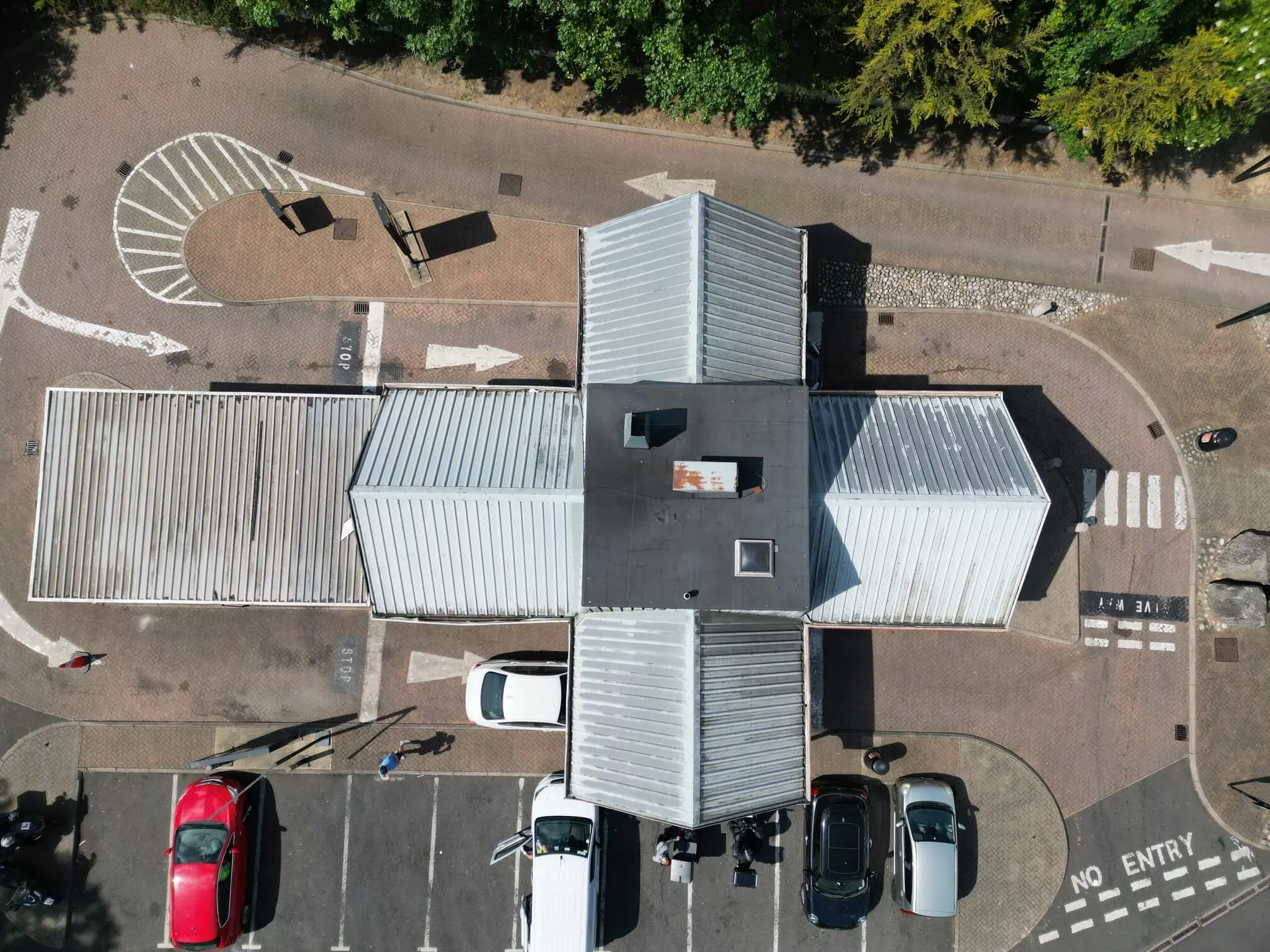
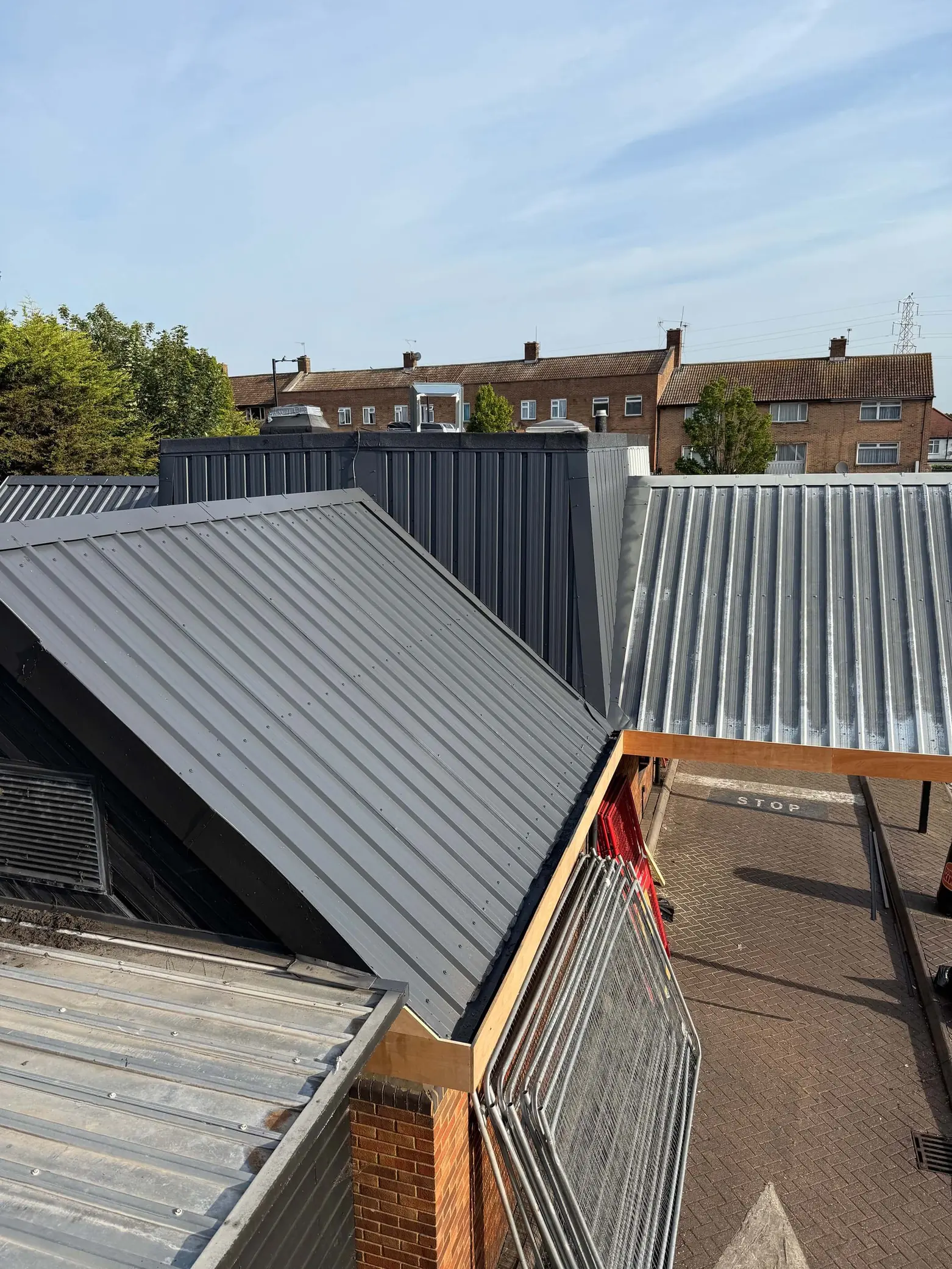
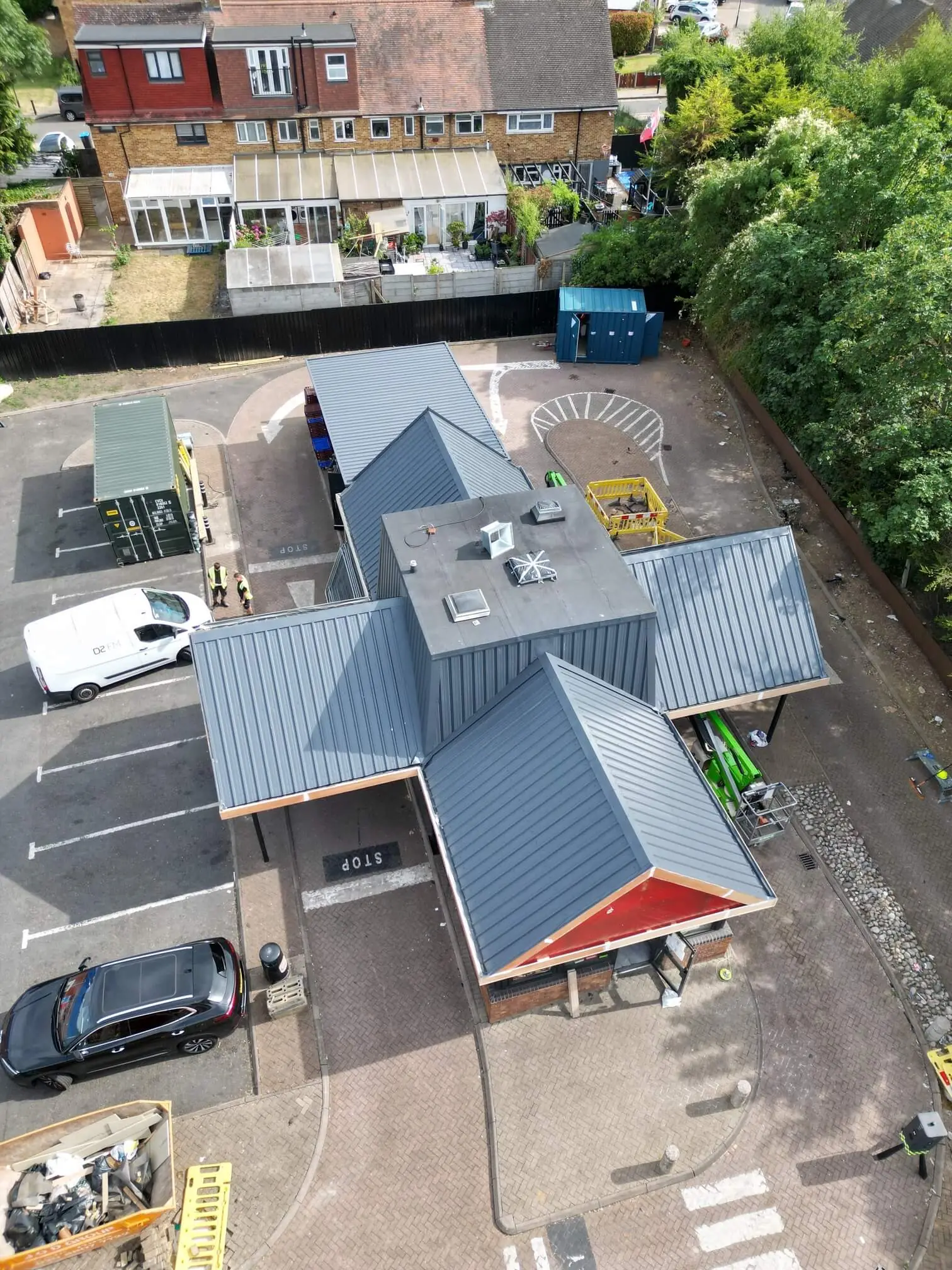
Roof refurbishment begins with the condition of the sheets, existing finish, fixings, flashings and overlaps. Any reported leaks should be considered alongside this inspection. The work may involve local corrosion treatment, broader recoating or a combination of repairs and coating.
Severe corrosion, perforated sheets or defects affecting structural integrity may require replacement or specialist repair. A coating is not a substitute for sound roof fabric. Drainage problems and failed details also need to be addressed instead of assuming a new finish will resolve every leak.
Preparing the roof and its edges
Preparation removes contamination, loose coatings and corrosion to the standard required by the specified system. Retained coating edges may need feathering to avoid an abrupt transition. Cleaning and local treatment must be controlled so debris and wash water do not create problems elsewhere on the site.
Cut edge systems can include a primer, sealant and protective finish, with the arrangement depending on the manufacturer and roof detail. Required film build, overlap dimensions and curing intervals are product specific. Those requirements belong in the project specification and application plan.
Local treatment or full roof coating
Targeted treatment may suit a roof where deterioration is concentrated at edges and laps. Wider coating may be considered when the retained roof finish is generally weathered but the sheets remain suitable. The decision should reflect the survey, compatibility and maintenance objectives.
Different products have different moisture and temperature limits. Some are designed to tolerate conditions that others cannot, so there is no universal weather rule for every roof coating. The programme needs to follow the selected system and allow for delays where application conditions are unsuitable.
Safe access above working premises
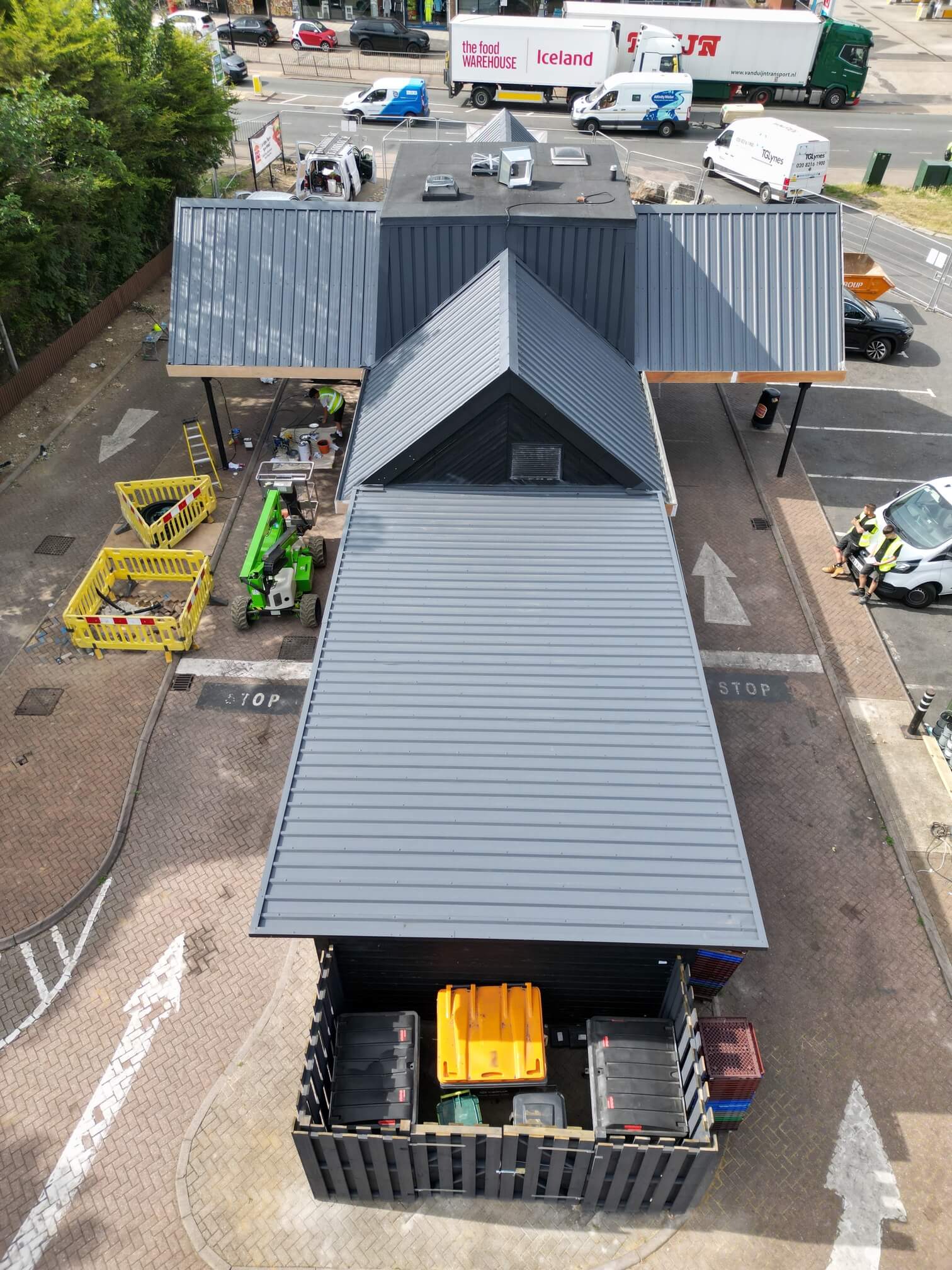
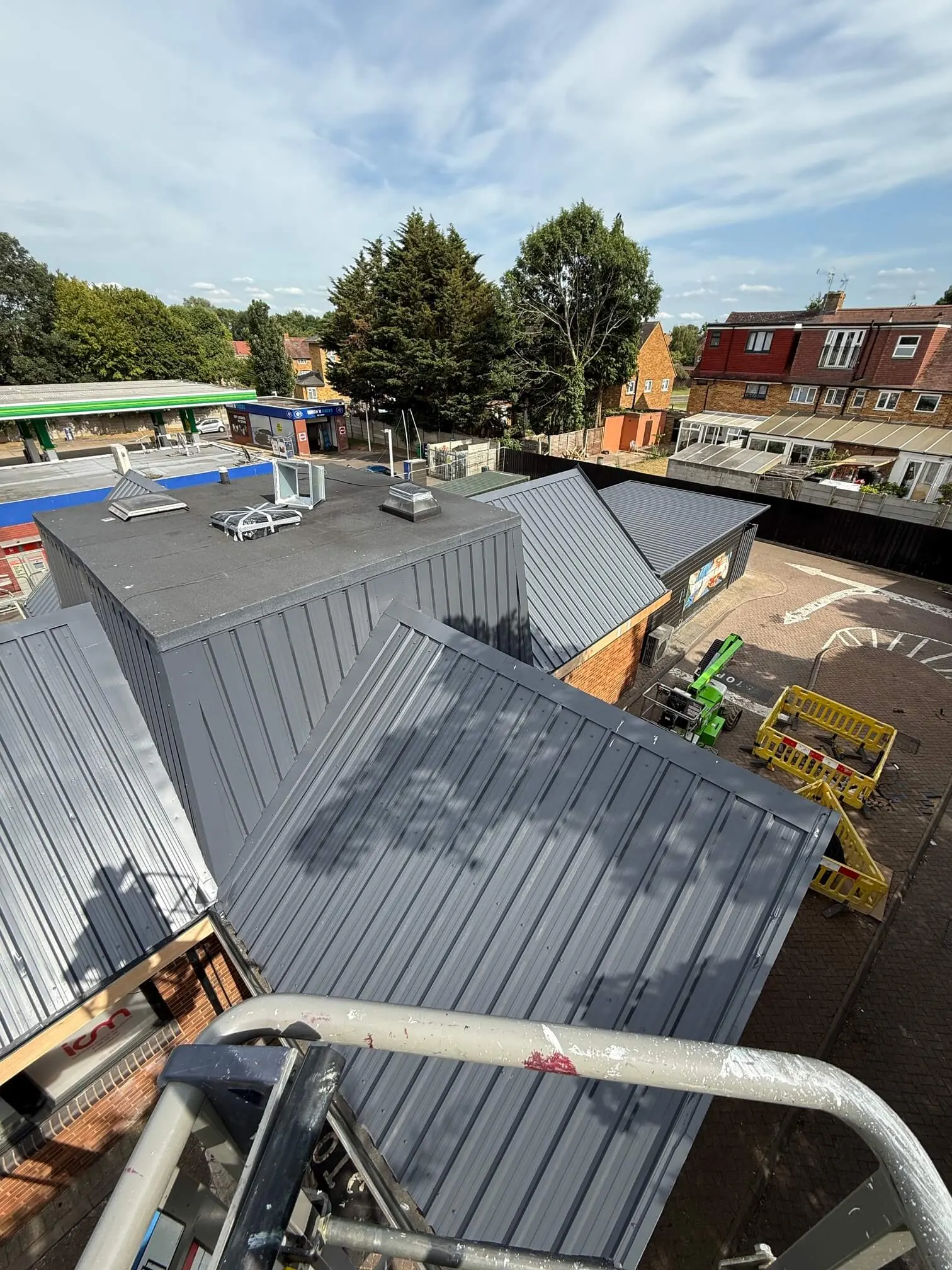
Roof surfaces and rooflights can be fragile even when they appear sound. Access must be assessed before anyone works on the roof, with avoidance of fragile surfaces and suitable fall prevention considered in the method. Coating work does not make a fragile roof safe to walk on.
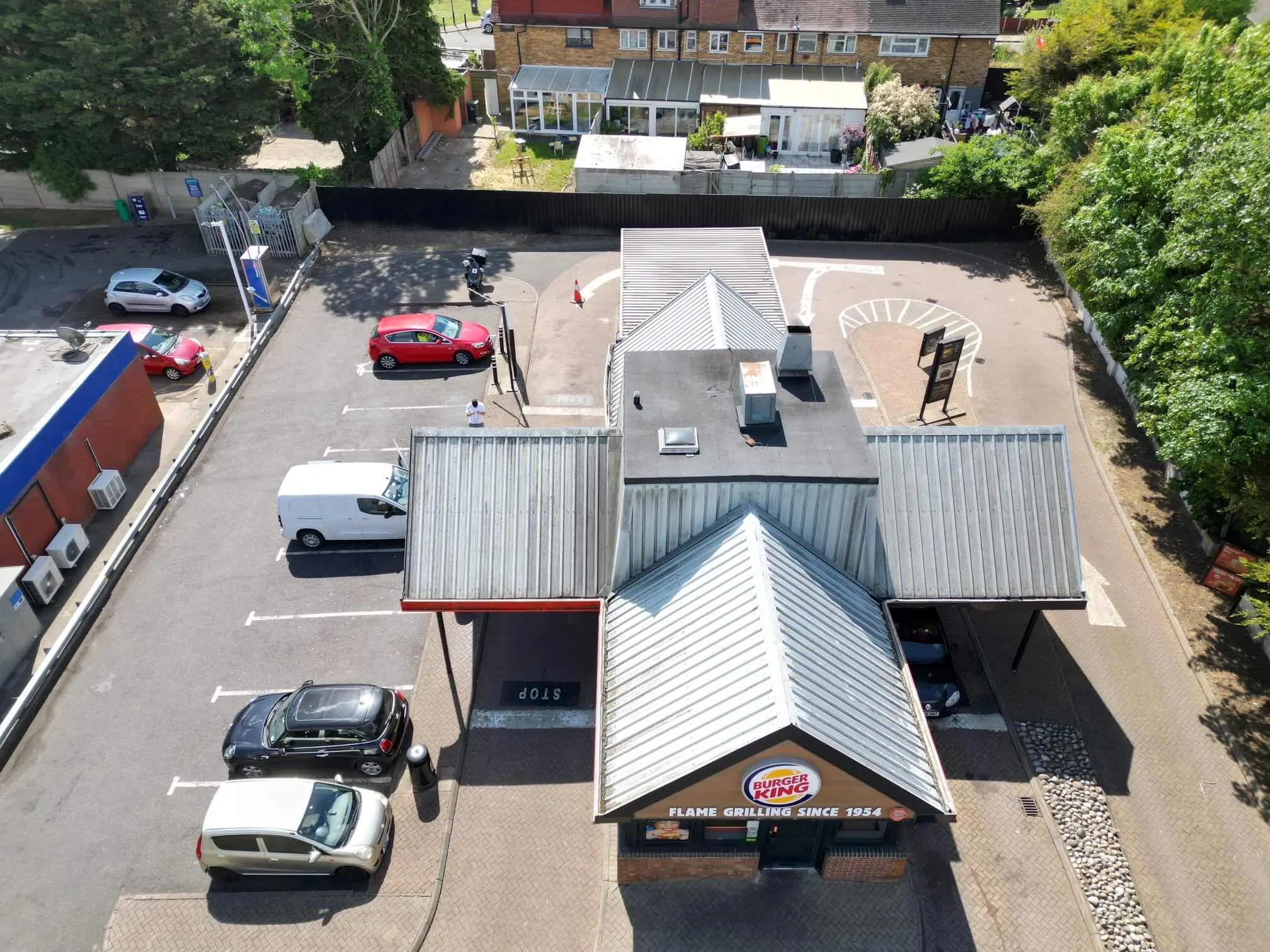
We discuss the activity below, nearby entrances, loading areas and the movement of materials before agreeing work zones. Preparation noise, access equipment and temporary restrictions can affect operations even when the building remains occupied.
Inspection and ongoing maintenance
Roof care continues after refurbishment. Clear gutters, periodic checks and prompt attention to new damage help the owner manage the asset. Handover should identify the system used, areas treated and any relevant maintenance requirements. Any warranty offered needs to be confirmed against the specified system and the conditions of your project.