
About anti-graffiti coatings
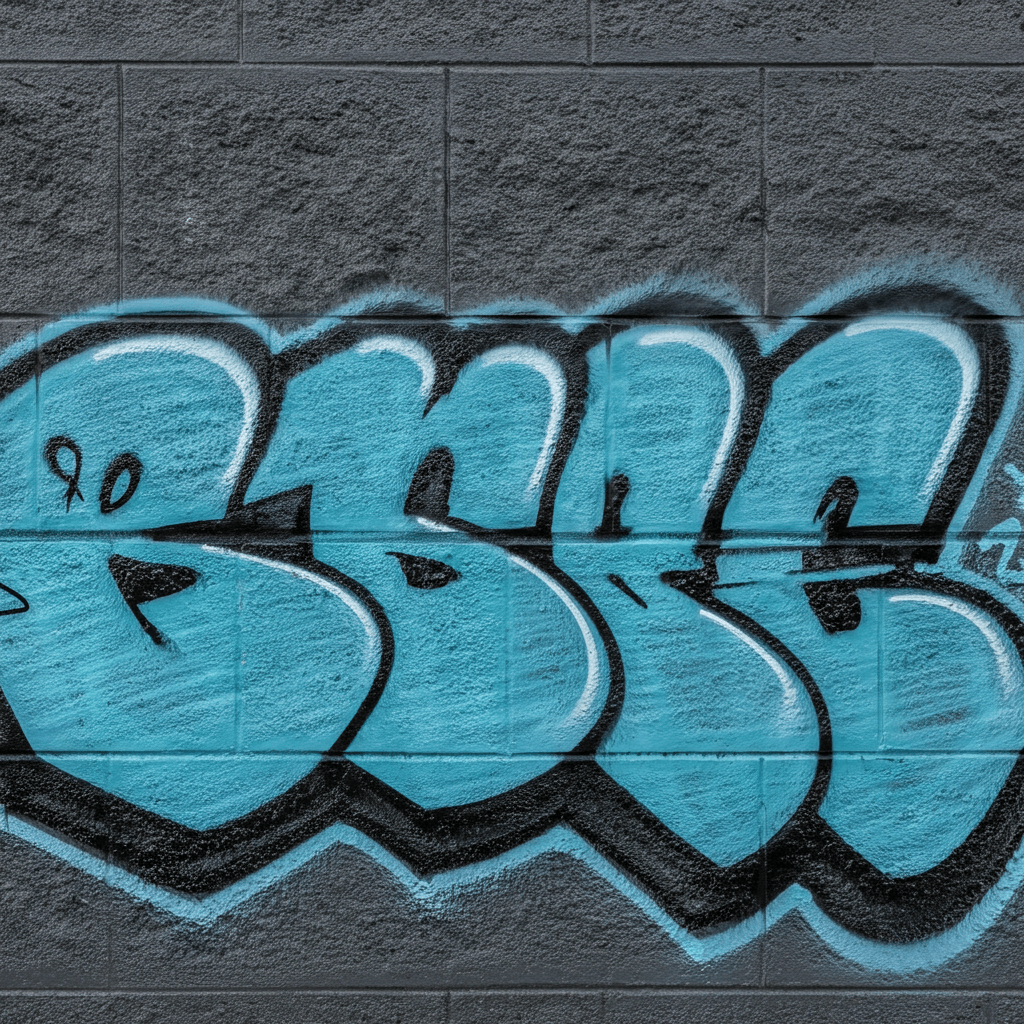
Anti-graffiti coatings are protective systems applied to commercial surfaces that are exposed to graffiti, tagging, staining or repeated vandalism. The coating creates a barrier that helps make future graffiti removal faster and reduces the chance of permanent surface damage.
The service is commonly used by property managers, landlords, councils, schools, transport operators, retail owners and facilities teams responsible for public-facing or vulnerable buildings.
Anti-graffiti coatings do not stop graffiti from happening. Their value is in making affected surfaces easier to clean and helping clients manage the problem more efficiently over time.
Where anti-graffiti coatings are used
Typical applications include:
- Shopfronts
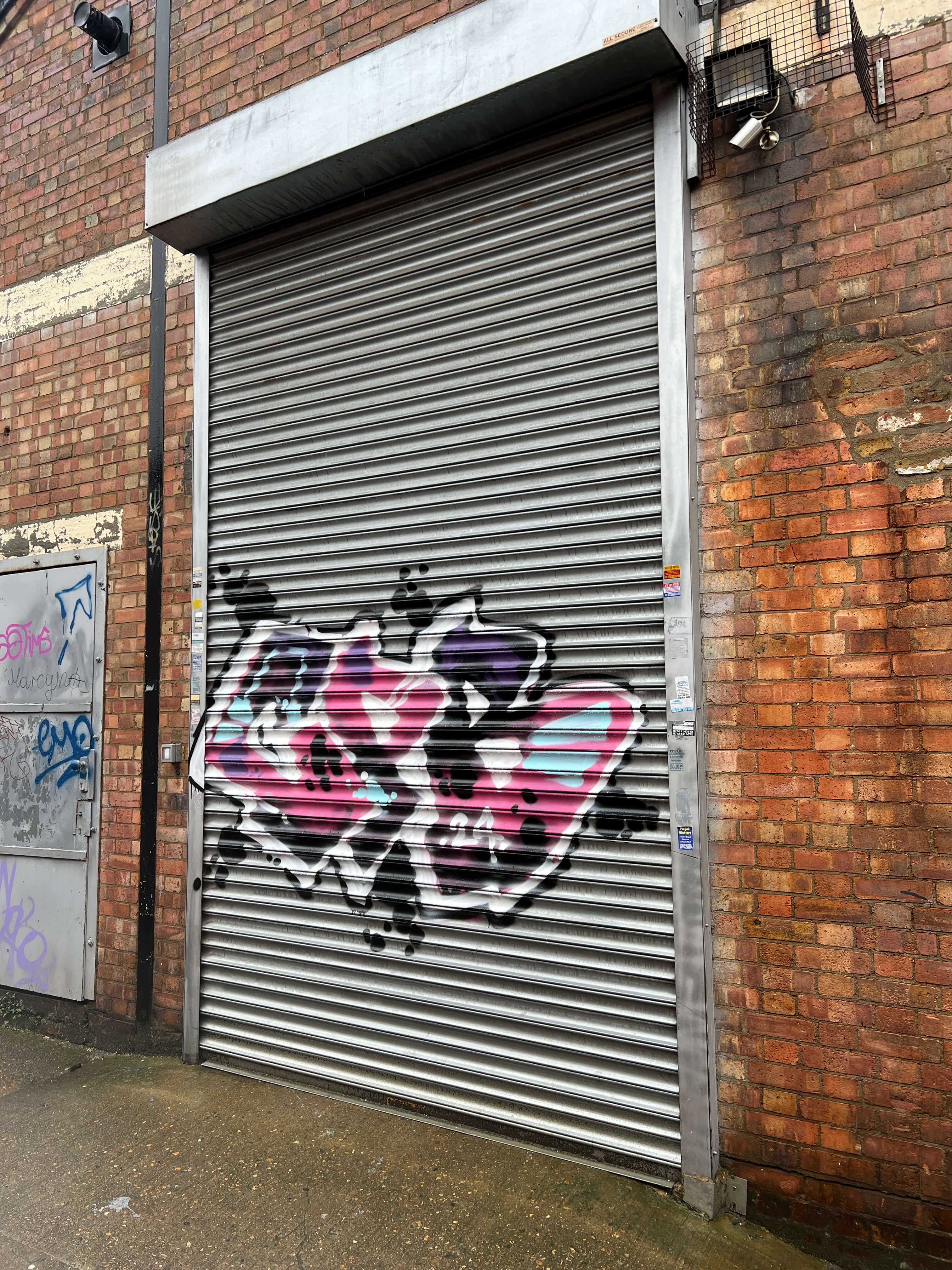
- Roller shutters
- Brick elevations
- Rendered walls
- Concrete walls
- School buildings
- Public-facing commercial units
- Car parks
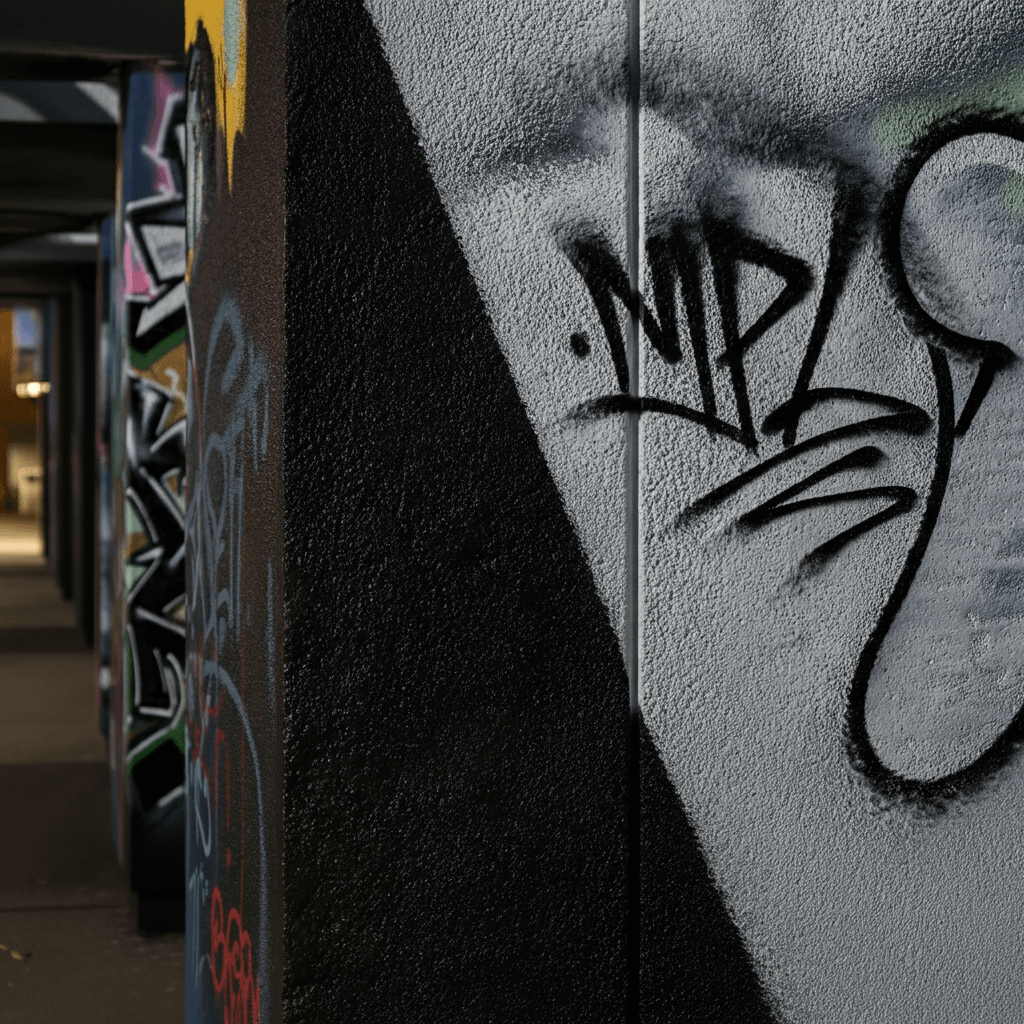
- Underpasses
- Bin stores
- Service yards
- Transport buildings
- Loading areas
The coating can be installed as a standalone service or included within a wider facade refurbishment or exterior coating project.
Sacrificial and permanent systems
Anti-graffiti coatings generally fall into two broad categories: sacrificial systems and permanent systems.
Sacrificial coatings are designed to be removed during graffiti cleaning and then reapplied. They can be useful for sensitive or porous surfaces where visual appearance is important.
Permanent anti-graffiti coatings are designed to withstand repeated cleaning cycles. They are often used where surfaces are frequently targeted or where maintenance teams need a durable long-term solution.
Refurbs helps clients choose a suitable system based on substrate, exposure, cleaning method, finish expectations and maintenance plans.
Suitable substrates
Anti-graffiti coatings can be used on masonry, concrete, brick, render, stone, metal, painted surfaces, shutters, doors and some cladding systems. Suitability depends on porosity, surface condition and whether the client requires a clear, matt, satin or more visible protective finish.
Porous surfaces may absorb coatings differently and can require specific primers or multiple applications. Previously painted surfaces need to be stable before any protective coating is installed.
Surface preparation
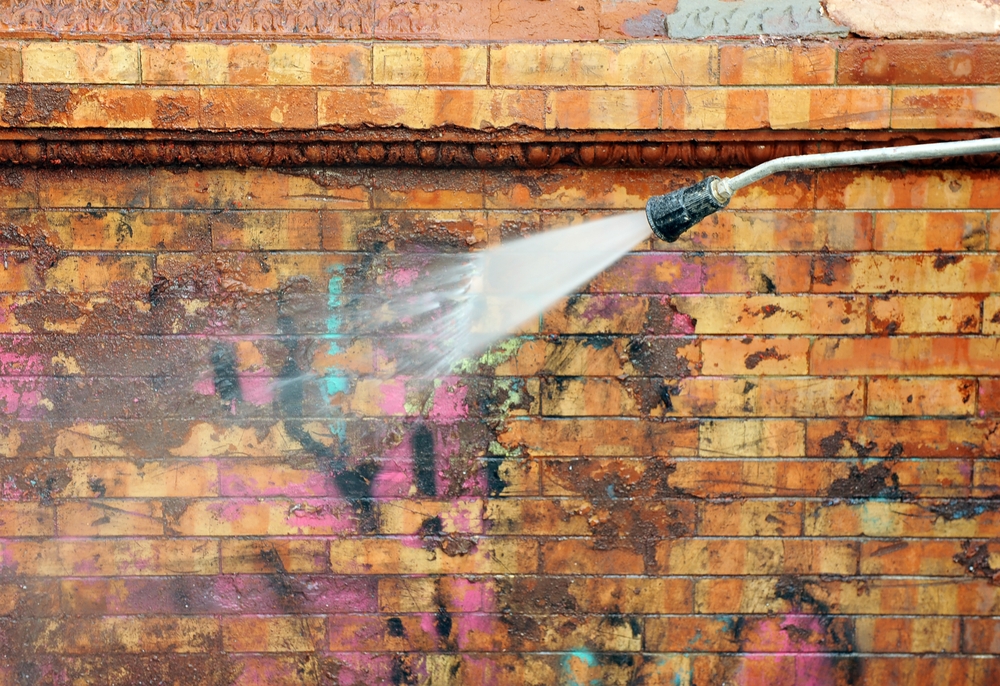
Surfaces must be clean, dry and stable. Existing graffiti, staining, dust, grease, algae, loose coatings and contaminants should be removed before application.
Where graffiti has already penetrated a porous surface, cleaning may reduce the staining but not always remove it fully. Refurbs will advise where previous damage may remain visible before the anti-graffiti system is applied.
Maintenance and cleaning
The long-term value of anti-graffiti coatings depends on having a clear cleaning strategy. Some systems need specific cleaning products. Some require reapplication after cleaning. Others allow repeated removal without recoating.
Refurbs can explain the expected maintenance approach so property teams understand how the system should be managed after installation.
Benefits of anti-graffiti coatings
Anti-graffiti coatings can help:
- Reduce permanent staining
- Make graffiti removal faster
- Protect exposed commercial surfaces
- Lower long-term maintenance disruption
- Improve public-facing presentation
- Support facilities and estate management
- Protect shutters, entrances and walls
- Improve response to repeated vandalism
Why choose Refurbs
Refurbs assesses the substrate, exposure and maintenance requirement before specifying a system. We provide RAMS, safe access planning and clear communication, helping commercial clients protect vulnerable surfaces through a practical coating strategy.


.png)
.png)
.png)
.png)




nucolour-london-sprayers-logo.png)