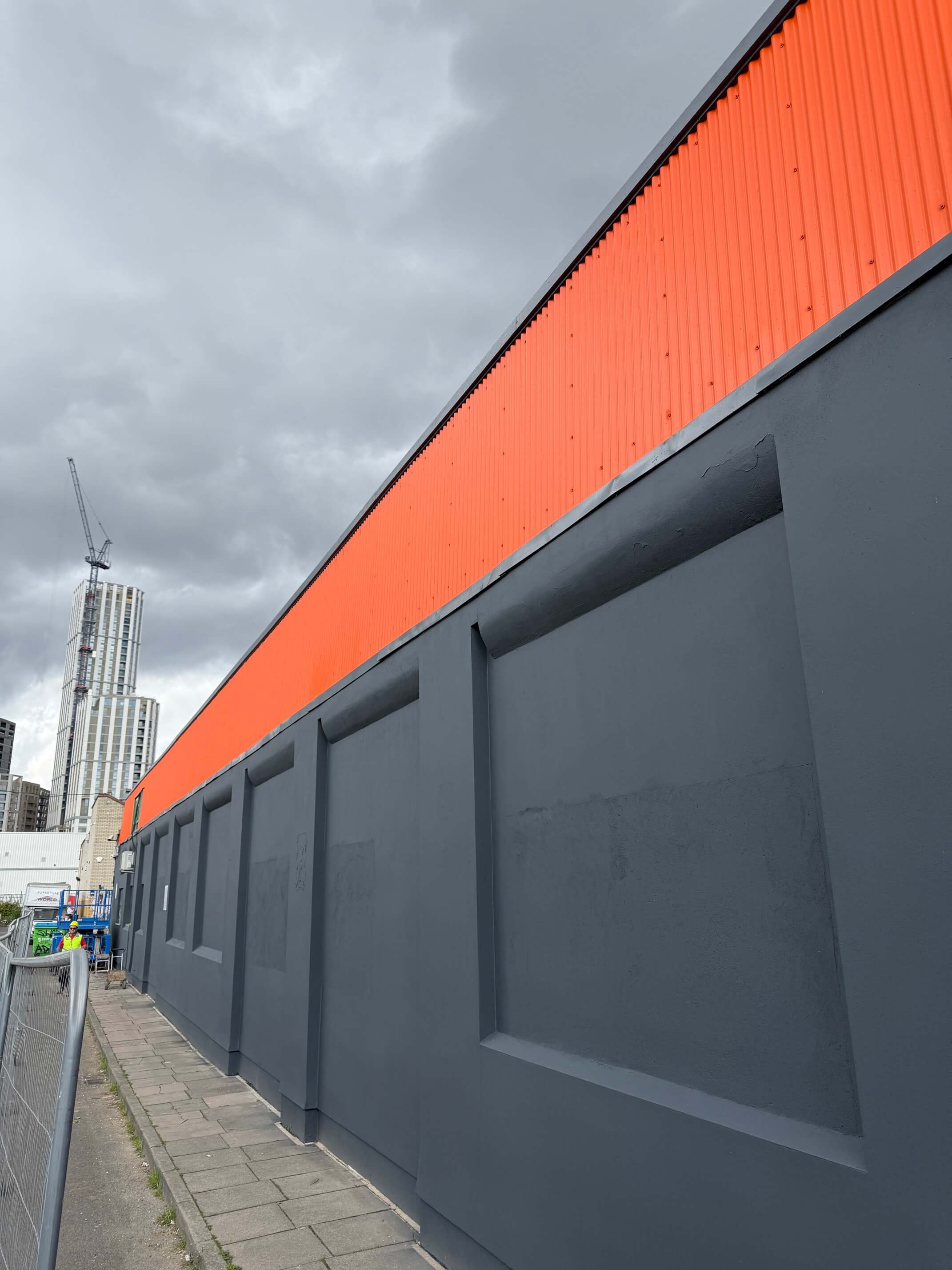
A coordinated approach to commercial exteriors
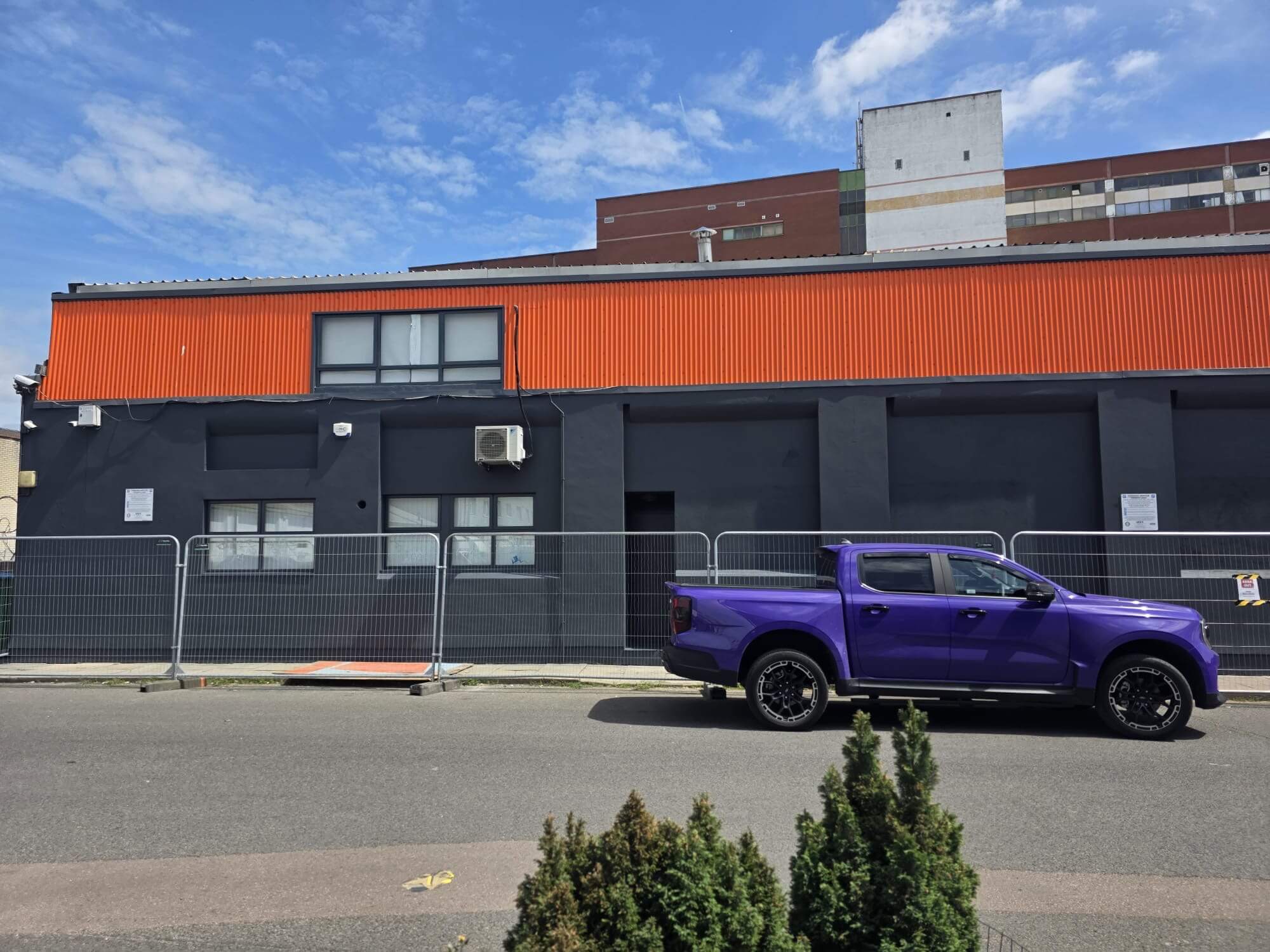
Exterior building coatings renew the finish on suitable walls and external details. The work can improve presentation before letting, support a rebrand or form part of planned property maintenance. A coordinated scheme can bring together older elevations, later additions and repaired areas without assuming that every surface needs the same product.
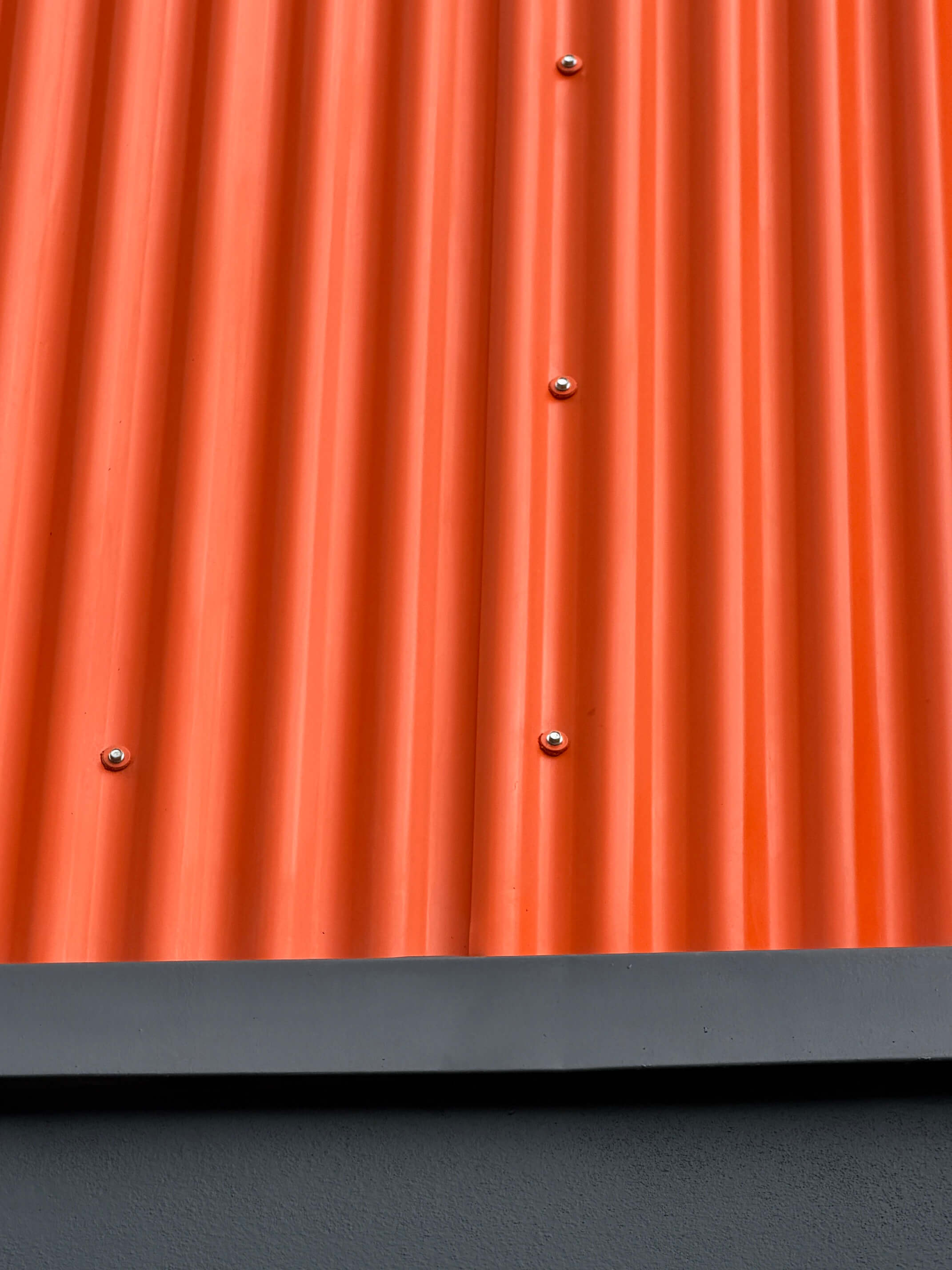
Projects may include render, masonry, concrete, previously painted walls and external metalwork. Larger cladding areas or aluminium glazing frames can be considered alongside the wider work, with their own preparation and coating requirements clearly identified.
Understand why the finish has deteriorated
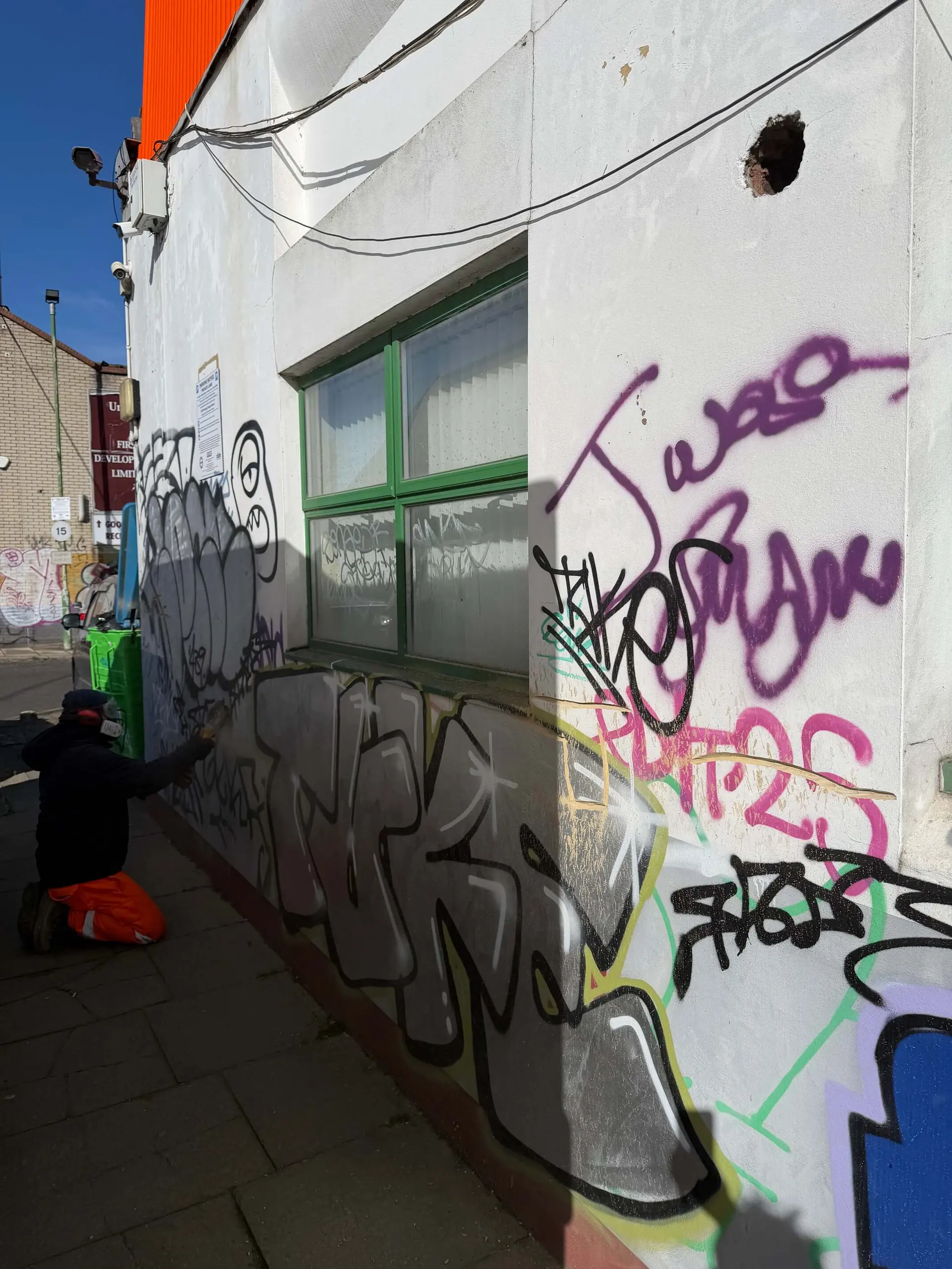
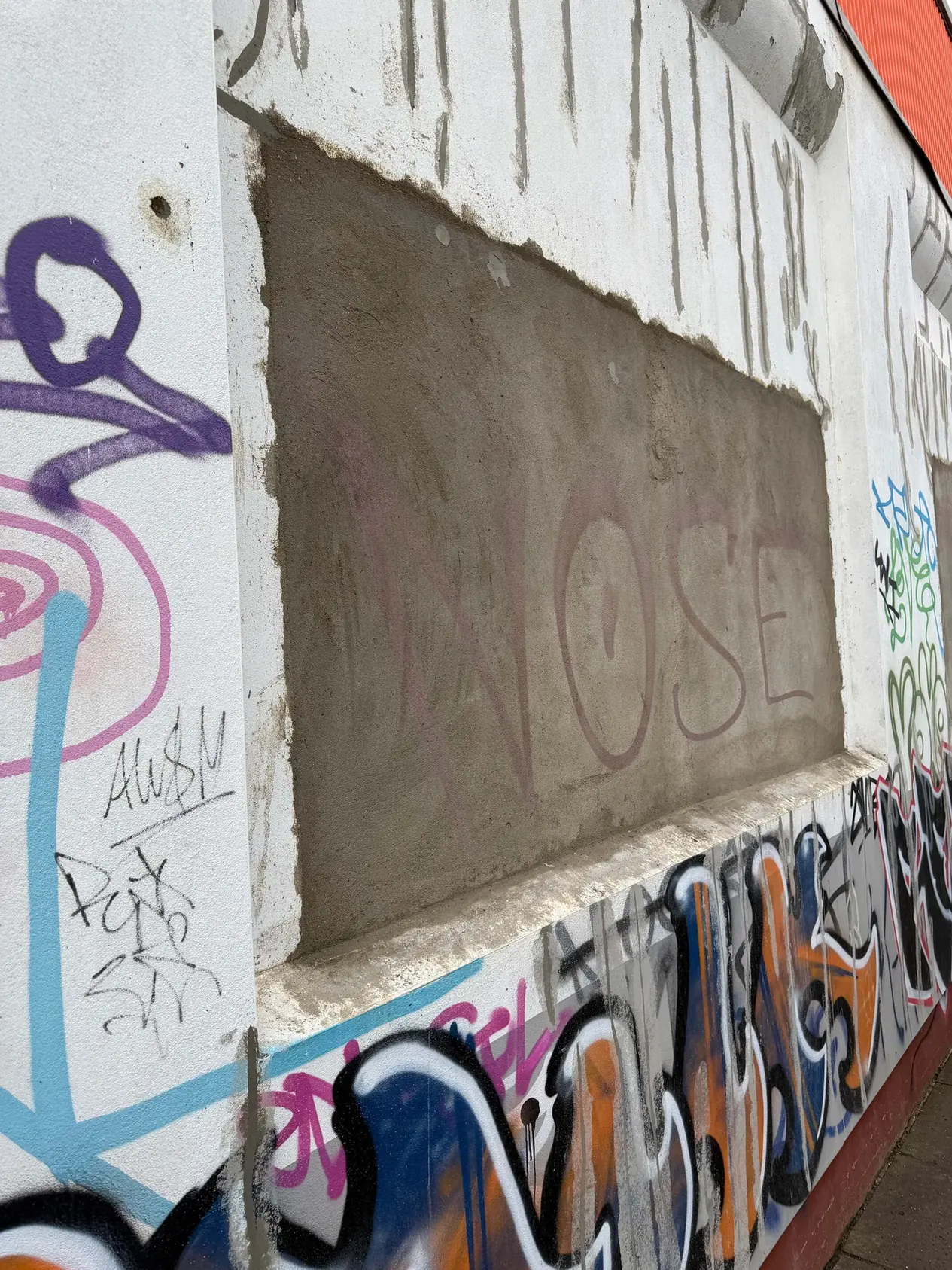
Fading, flaking, staining and cracking can have different causes. A survey should consider coating adhesion, contamination, damp, defective joints and the condition of the substrate. Repeating the original paint scheme without understanding its failure may leave the same problem underneath a new finish.
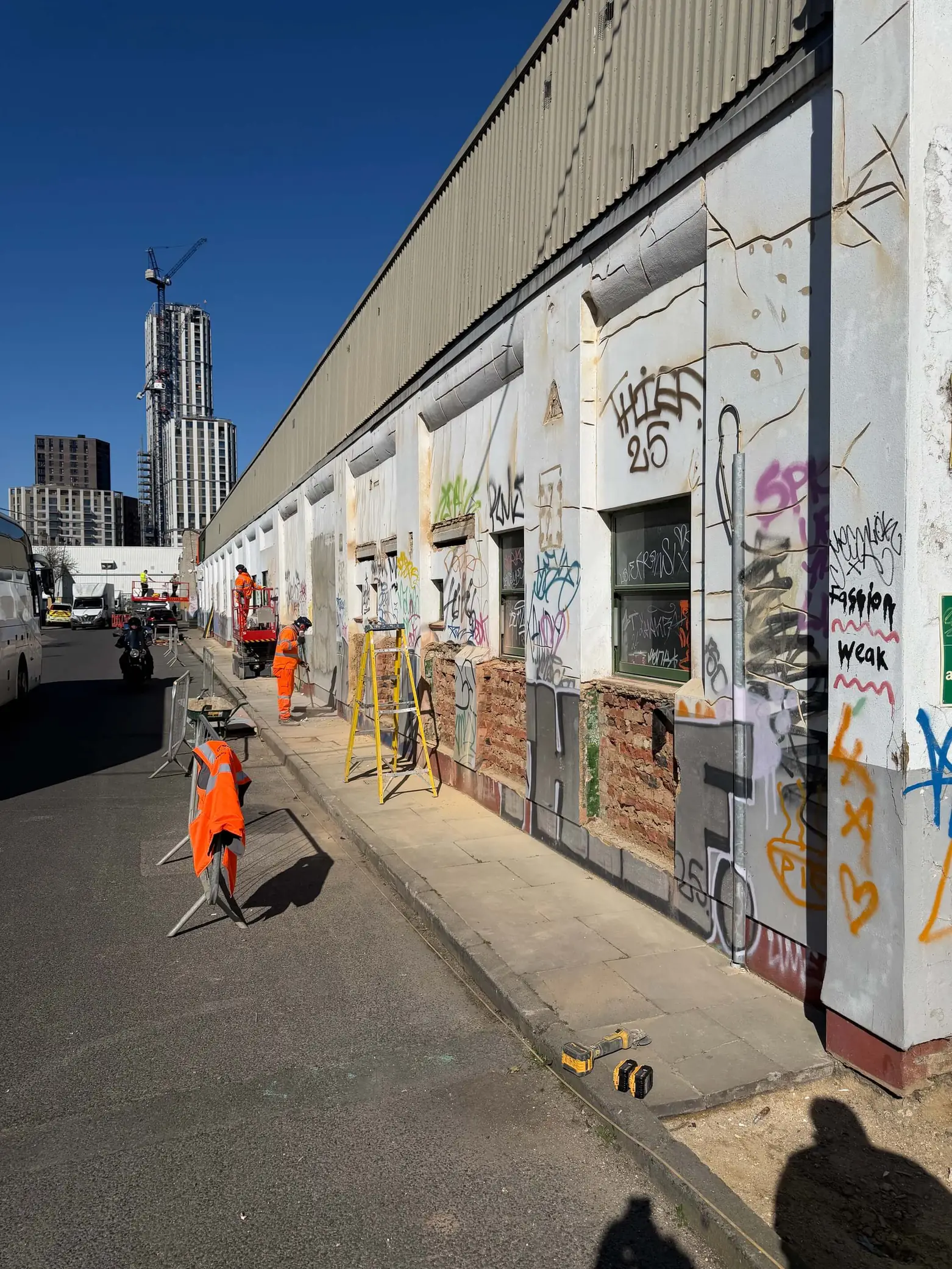
Leaks, defective rainwater goods, loose render and significant cracking may need repairs or further investigation first. The coating scope should identify these dependencies. This helps the client budget for a complete job rather than discovering essential repairs during application.
Selecting coatings for masonry and metal
Masonry and render need a finish suited to the material and existing coating. Moisture movement is relevant, particularly where a wall needs to release water vapour. Suitable mineral or other vapour-permeable systems may be considered once their compatibility with the wall and existing finish has been assessed.
Metalwork may need corrosion preparation and a compatible primer and topcoat. Concrete can have its own repair and protection requirements. Where a coating is being specified for a particular technical performance, the manufacturer's system documentation must support that use.
Preparation and sample areas
Preparation may involve washing, removing loose coatings, treating growth, local abrasion and agreed repairs. Methods are chosen to suit the surface: a cleaning process appropriate for a robust coated panel may be unsuitable for soft masonry or fragile render. Prepared areas then receive any specified stabiliser or primer.
A sample can help confirm colour, sheen and texture before the main work begins. This is useful where elevations receive different light or where repairs will affect the finished appearance. Recoating does not automatically make an uneven background look completely uniform.
Application around the building
Brush, roller or spray application is selected for the coating and access conditions. Windows, doors, signs and neighbouring surfaces need protection, while pathways and vehicle areas may require temporary restrictions. We discuss the proposed work zones and communication arrangements with the site contact.
External work also depends on suitable conditions. Rain, wind, temperature and substrate moisture can affect application and curing. The programme should allow for the selected product's limits and the practical time needed for repairs and prepared surfaces to become ready.
Maintaining the renewed exterior
After refurbishment, routine inspection helps identify damaged coatings, leaking details and areas needing cleaning. Maintenance should suit the installed system and the building's exposure. Keeping colour and product information with the property records makes future repairs or coordinated work across an estate easier to manage.