Maintain the details that manage rainwater
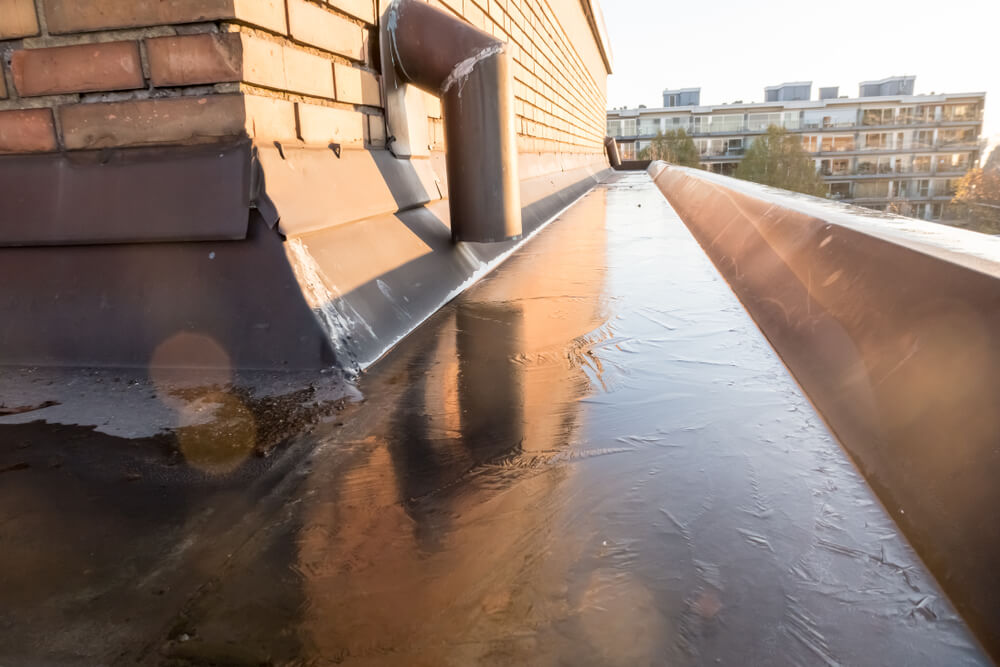
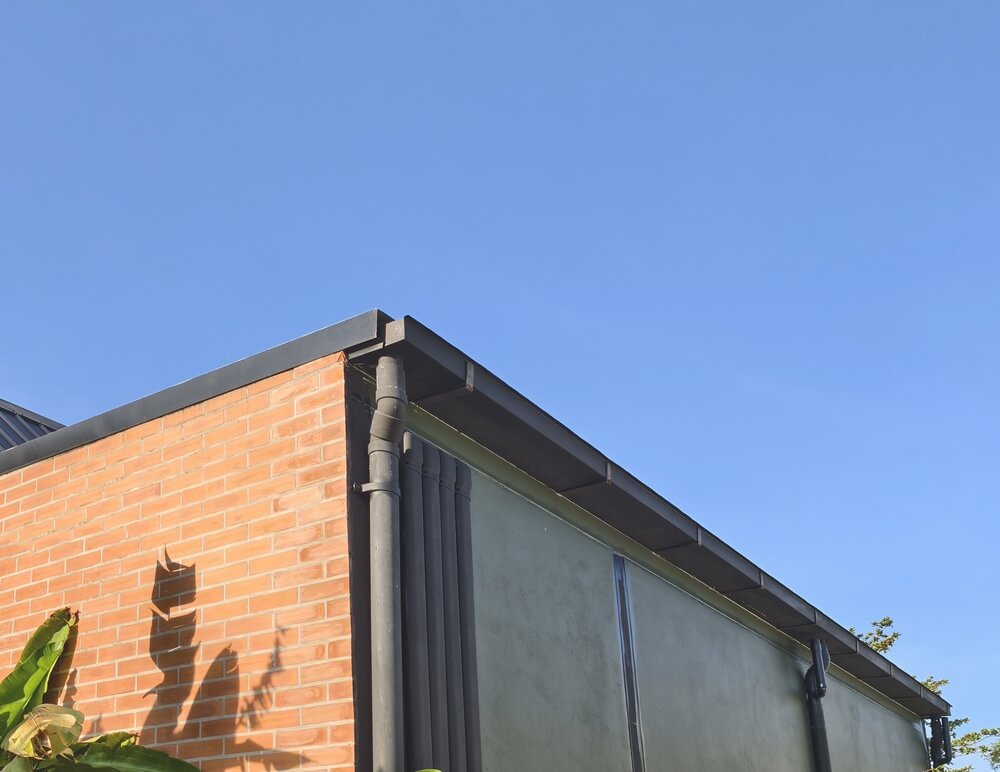
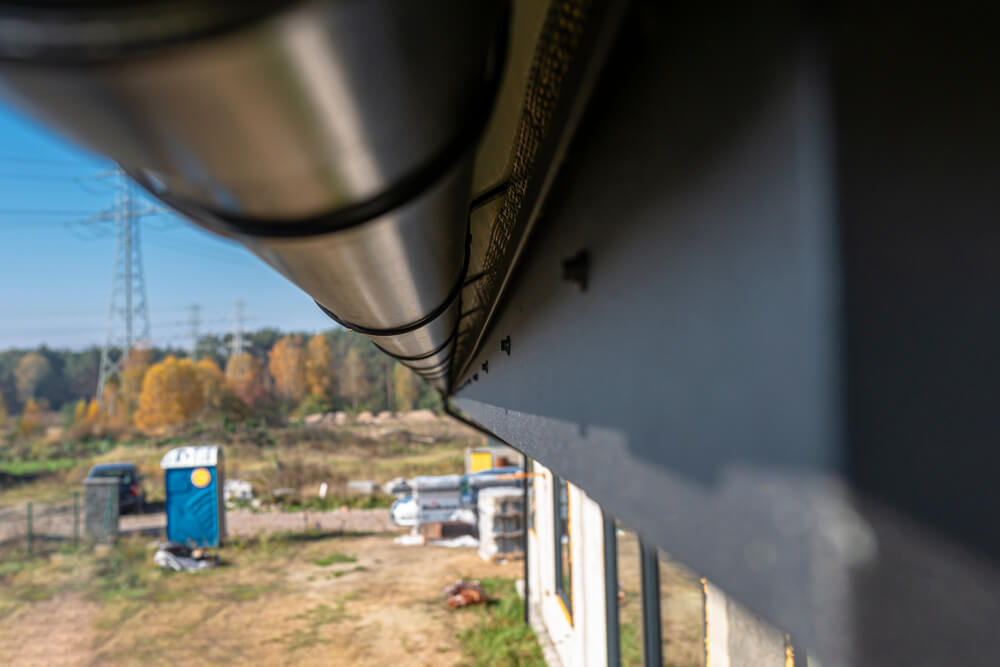
Commercial gutters collect water from the roof and direct it towards outlets and downpipes. Fascias, soffits, cappings and trims complete the surrounding roofline. When these areas deteriorate, the result may include leaks, overflow, staining or an untidy external appearance.
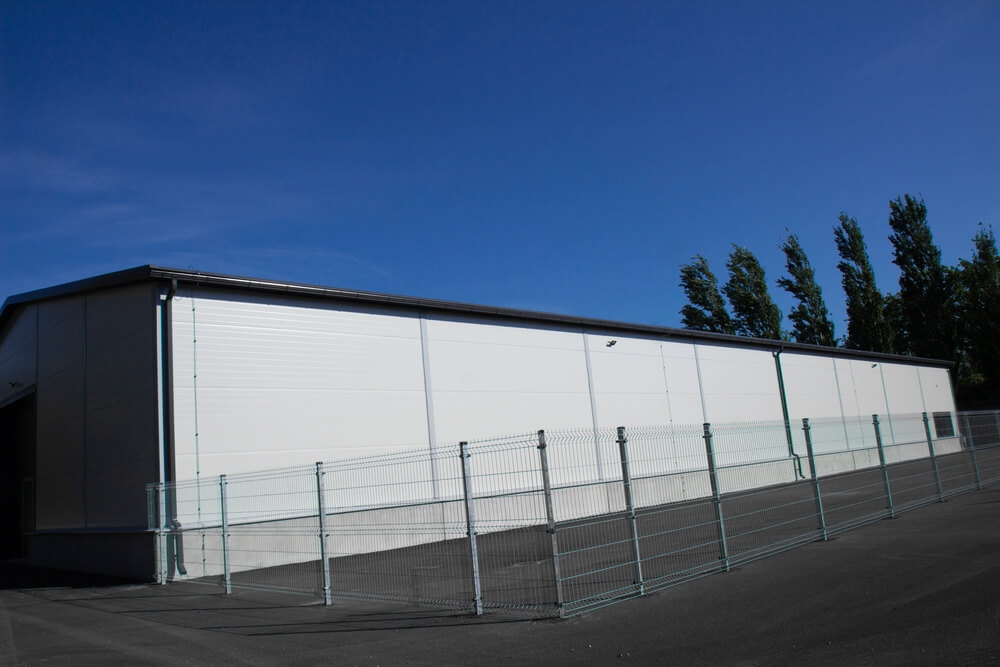
Refurbs provides planned refurbishment for suitable gutters and roofline components on warehouses, factories, offices and other commercial properties. The scope can combine practical treatment of damaged finishes with colour renewal of associated metalwork.
Establish the cause and extent of deterioration
A useful survey considers debris, blockages, joint condition, corrosion, existing coatings and visible damage. Reports of leaks or overflow help identify areas requiring closer inspection. The aim is to distinguish problems a refurbishment can address from those needing other repairs or drainage assessment.
Coatings cannot correct insufficient gutter capacity, unsuitable falls or major structural deterioration. Perforated, unstable or badly corroded components may need replacement or substantial repair before a lining is considered. Any wider defects affecting the roof or drainage system should be identified within the scope.
The condition of adjoining details also matters. Roof edges, fixings and transitions can affect how water reaches the gutter, while failed cappings or trims may allow water into other parts of the building. These observations help avoid treating one visible symptom in isolation.
Prepare gutters and roofline surfaces
Preparation may include removal of debris, cleaning, treatment of corrosion and removal of unsuitable coatings. Surfaces are then prepared to the chosen system's requirements. This includes the required moisture conditions, which vary between products rather than following one universal rule.
Local repairs and compatible joint treatments are completed where specified. Joints, outlets and changes in shape deserve particular attention because broad coating coverage alone does not resolve every vulnerable detail. Existing materials and sealants are checked for compatibility with the proposed treatment.
Fascias, trims and associated metalwork may need a separate decorative protective system. Aluminium, galvanised steel and previously painted surfaces require appropriate preparation and primers. They should not automatically receive the same product as the inside of a gutter.
Select a system for the exposure
Gutter linings need suitability for the expected water exposure and substrate. A finish intended only for general exterior decoration may be inappropriate inside a gutter. Refurbs considers the coating system, detail treatments and manufacturer's application requirements together.
Where a manufacturer offers a warranty, its availability depends on the selected system and project conditions. The proposed scope should identify the system, expected maintenance and any supporting warranty terms, so you can assess the proposal against the building’s needs.
Plan access, weather and occupied areas
The access arrangement may involve a mobile elevating work platform, scaffold or a designed roof access system. Roof condition, fragile surfaces and the protection of people below are considered before work starts. The method must suit the building and the actual work locations.
Weather can affect preparation, application and curing. Refurbs plans the programme around suitable conditions and discusses any temporary access restrictions with your site team. Coordinating gutter work with roof coatings or cladding refurbishment may also make practical use of shared access.
Keep the refurbished system maintained
Refurbishment is followed by routine inspection and cleaning. Debris can still collect in a newly coated gutter, so keeping outlets clear remains essential. Early attention to damage, failed joints or recurring overflow helps protect the work and identifies issues before they spread to surrounding finishes.