What an epoxy floor coating does
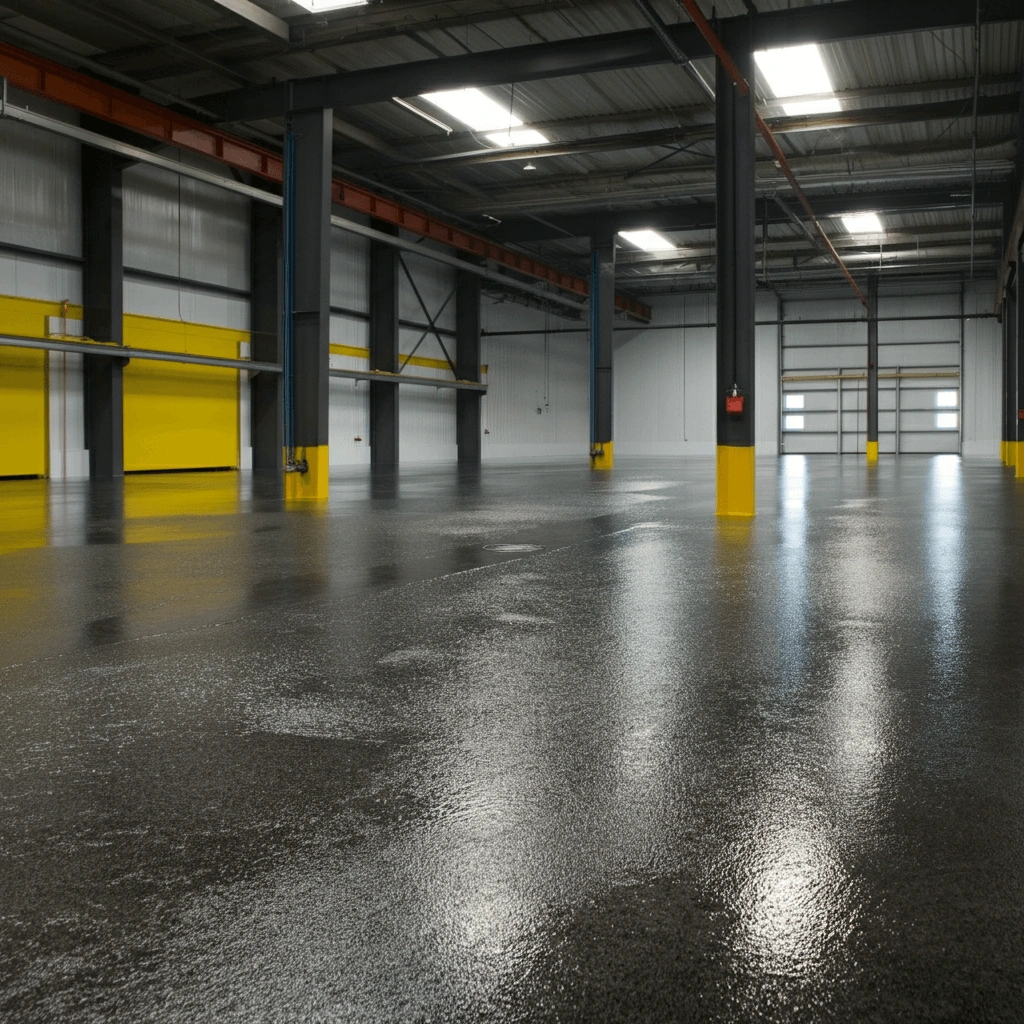
An epoxy floor coating forms a protective wearing surface over suitable concrete. It can reduce dusting from the concrete, improve appearance and make routine cleaning more manageable. Coloured finishes and compatible line markings can also help define pedestrian routes, storage positions or work areas.
The appropriate system depends on use. A lightly used store room has different needs from a forklift turning area or a workshop exposed to frequent spills. A thin coating should not be expected to correct an uneven slab or provide the same duty as a thicker resin system.
Assessing the concrete
We review the existing surface for weak material, oil contamination, old coatings, cracks and damaged joints. Moisture also needs consideration because an unsuitable substrate can compromise adhesion or the finished appearance. The selected product's testing method and limits determine whether additional treatment is needed.
Some defects need a separate repair approach before coating. Active movement joints must be detailed appropriately, rather than simply covered. Where contamination has penetrated the slab, further investigation or preparation may be necessary before a reliable coating specification can be agreed.
Preparation that supports adhesion
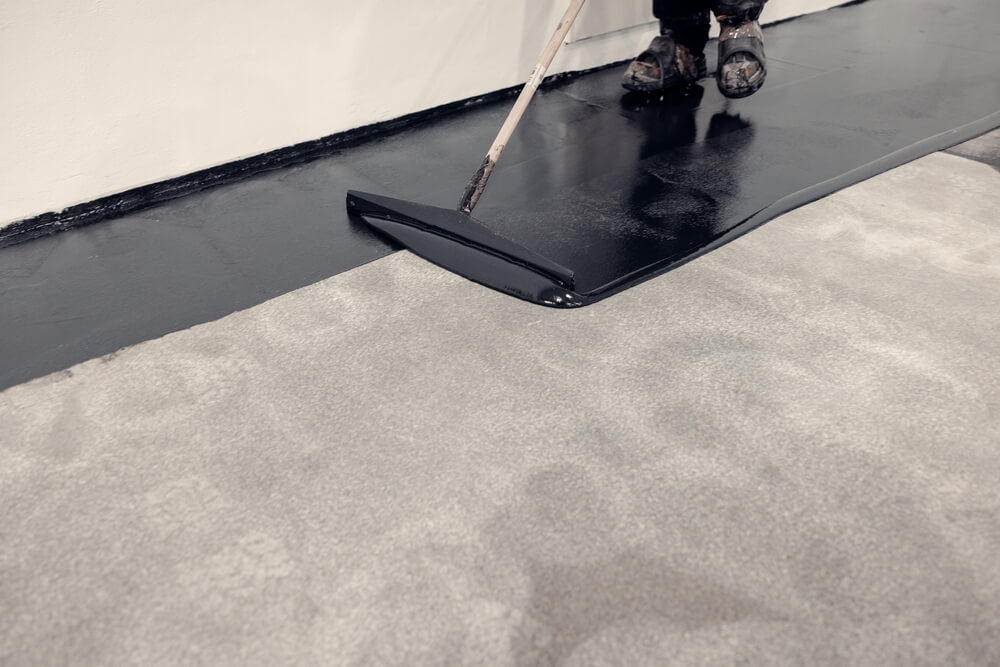
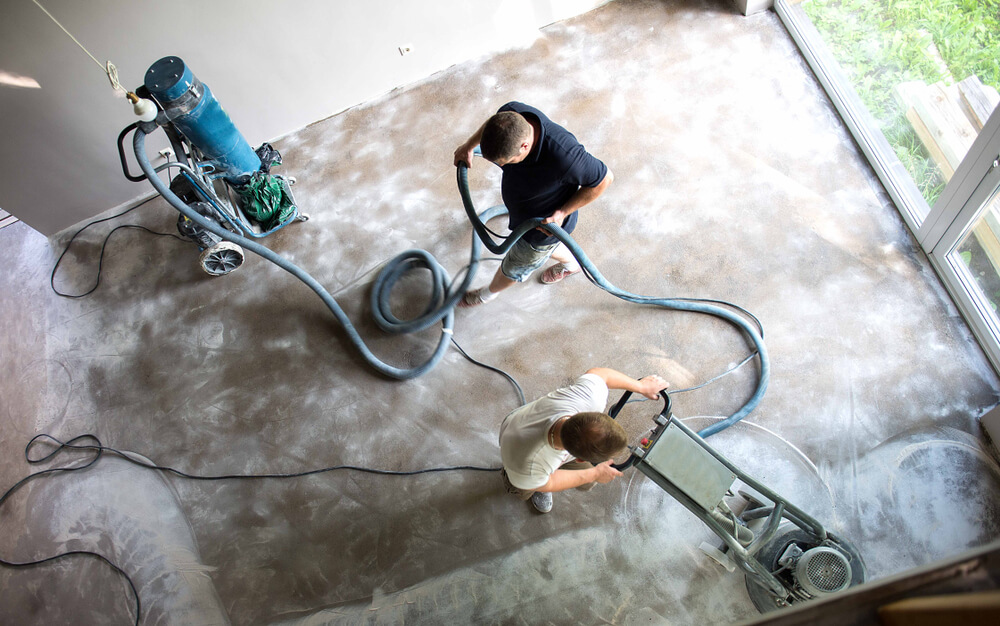
Mechanical preparation, such as grinding or captive shot blasting where appropriate, removes weak surface material and creates a suitable profile. Dust and debris are then removed. Local repairs and the specified primer form part of the preparation sequence, rather than an optional finishing extra.
The scale of this work can vary considerably between buildings. A floor with a sound, compatible coating may need a different approach from bare concrete or a peeling finish. The quotation should make the assumed condition and proposed preparation clear.
Choosing texture and performance
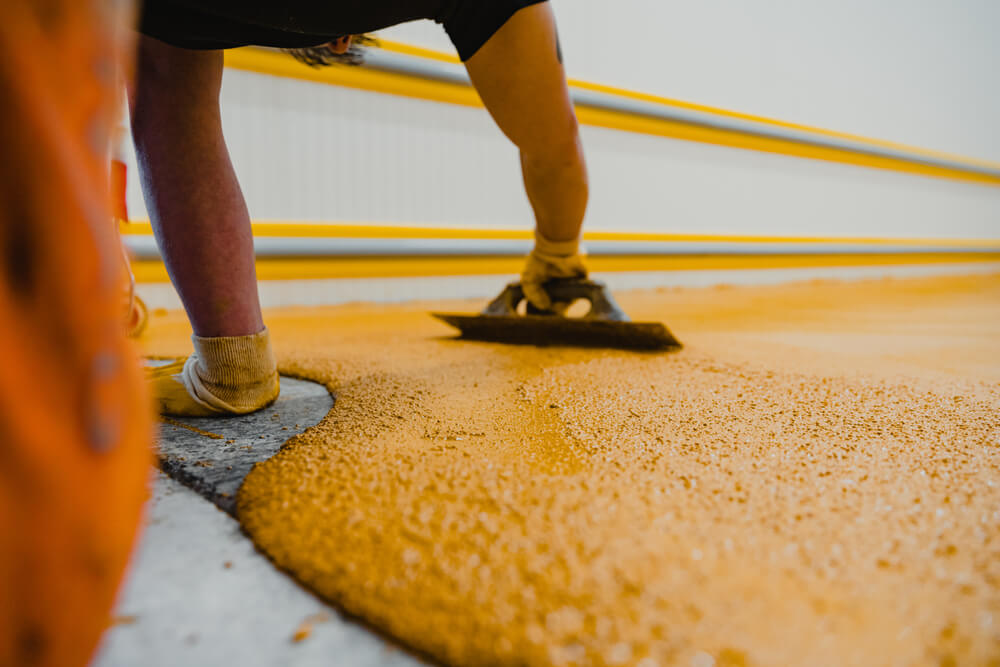
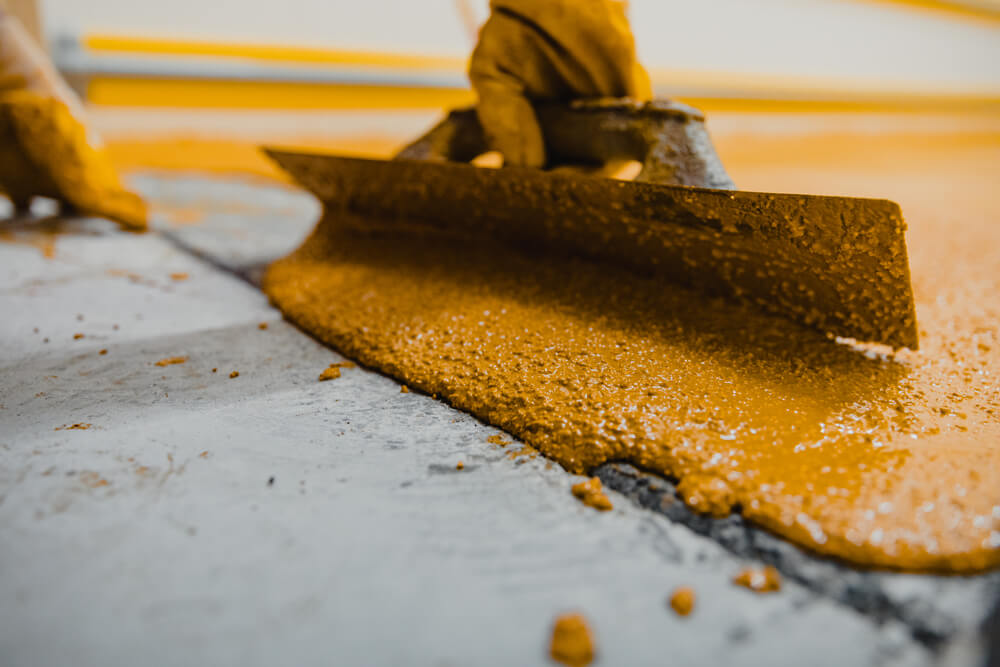
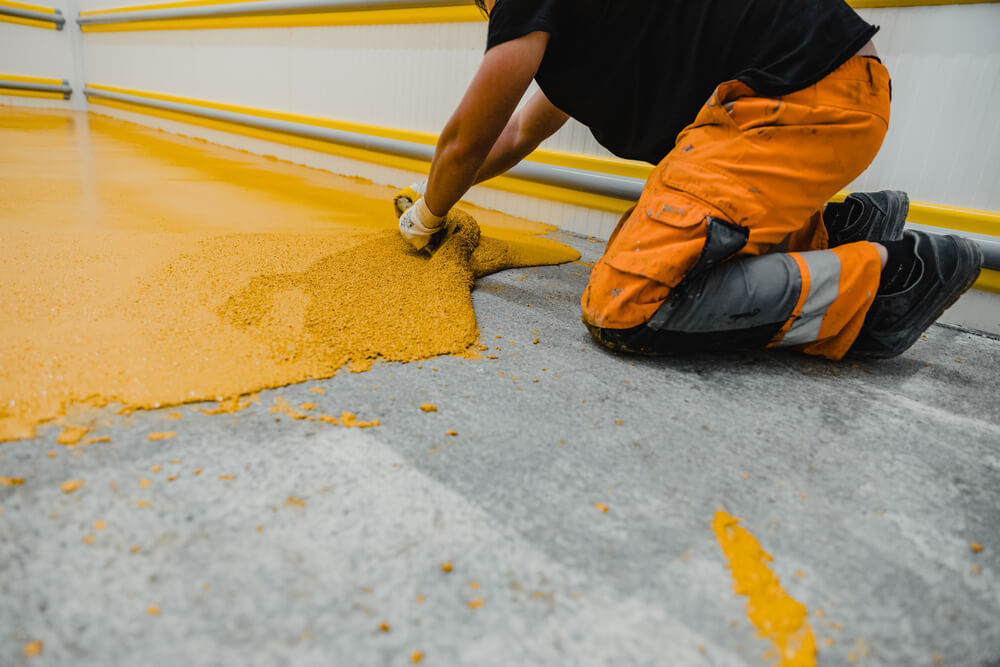
Epoxy systems can be smooth or incorporate aggregate to create a textured finish. Texture should be selected with the likely contamination, footwear, traffic and cleaning equipment in mind. More texture can improve grip in an appropriate specification, but it can also require a more thorough cleaning method.
Chemical resistance is product specific. Tell us the substances, concentrations and exposure conditions involved so suitability can be checked. Areas subject to hot washdown, severe chemical exposure or particular electrical requirements may need a different specialist system.
Application and curing
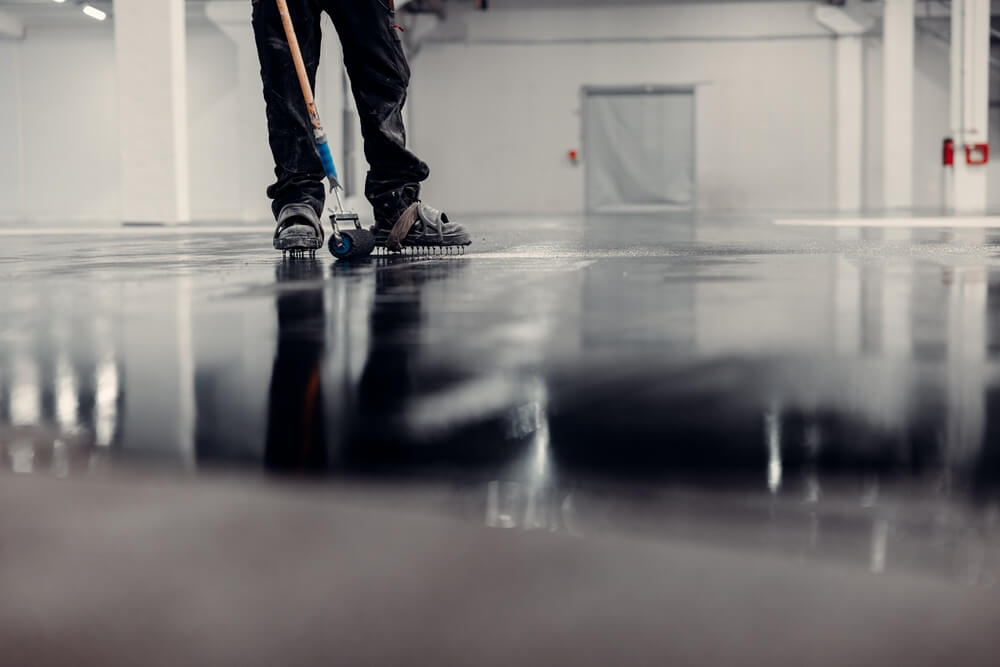
Two-component resins need the correct mixing ratio, working time and application conditions. Temperature and humidity affect the process, while the substrate and environment must remain within the selected system's limits. Coat thickness and recoating intervals are also defined by the specification.
Foot traffic, vehicle access and full chemical exposure can have different waiting periods. We plan these restrictions with the site team; touch dry does not mean fully cured. Phased working is useful only where each zone can remain protected for the necessary period.
Keeping the finished floor serviceable
Routine cleaning and prompt spill removal help preserve the finish. Dragged loads, damaged wheels and abrasive debris can shorten its useful life, so operating practices matter as well as product choice. Handover should set out the coating used, cleaning guidance and the agreed conditions for putting the floor back into use.