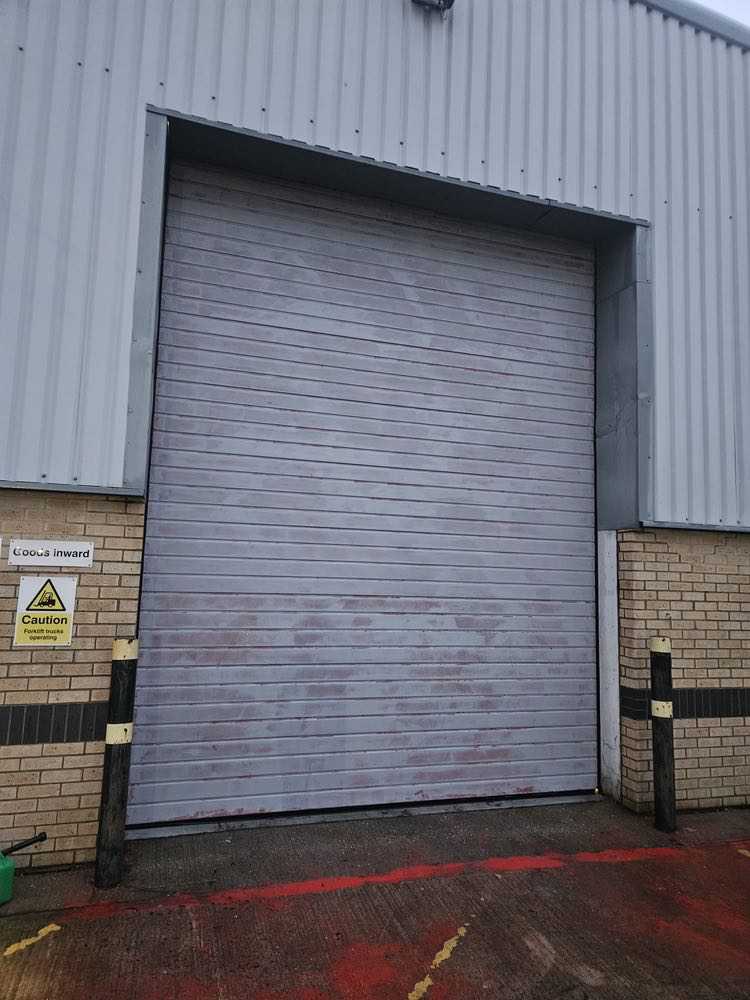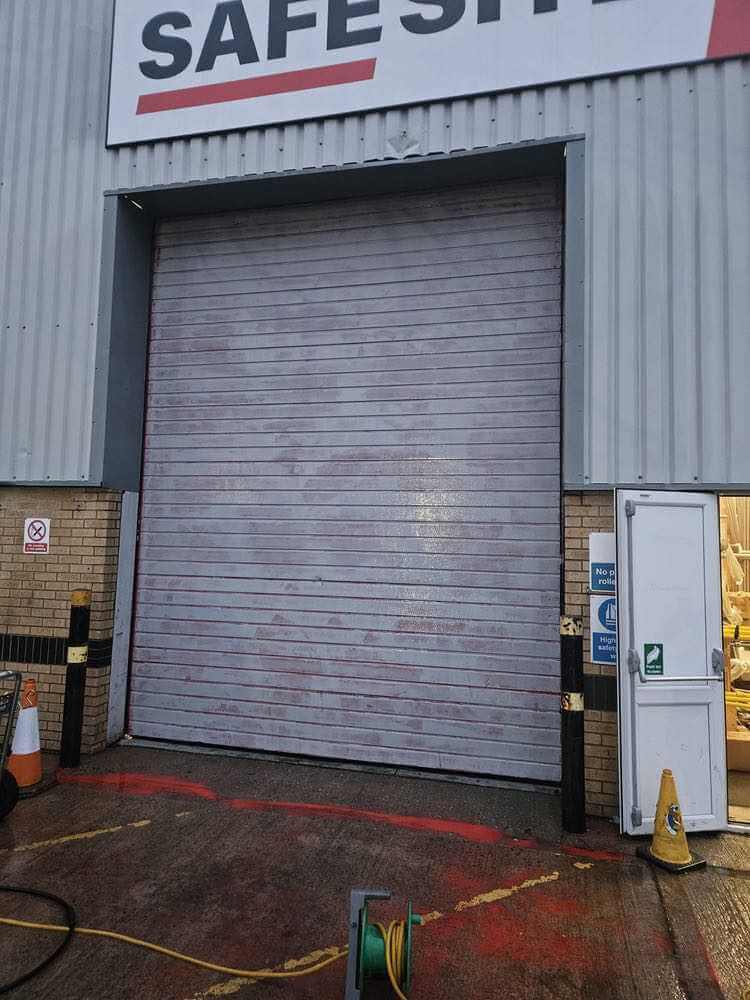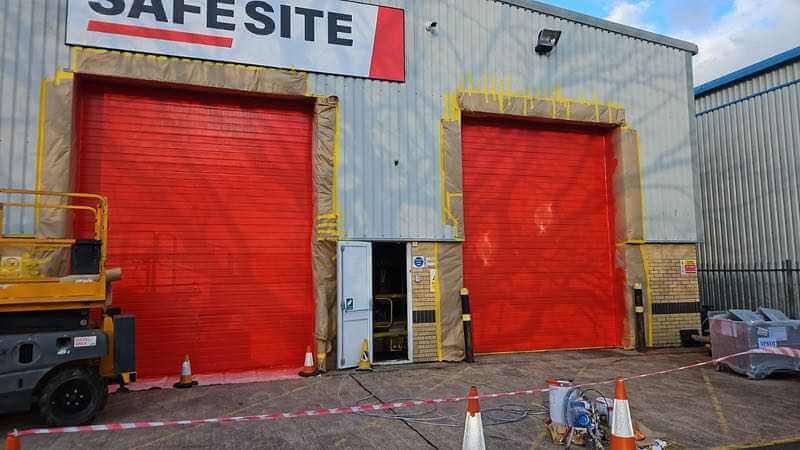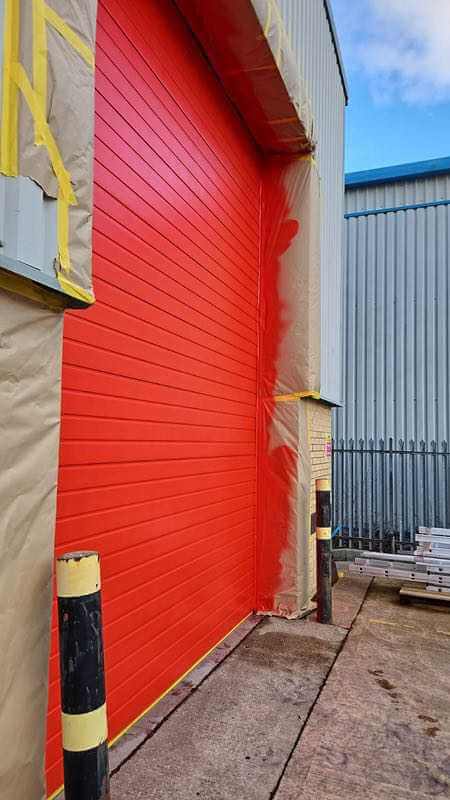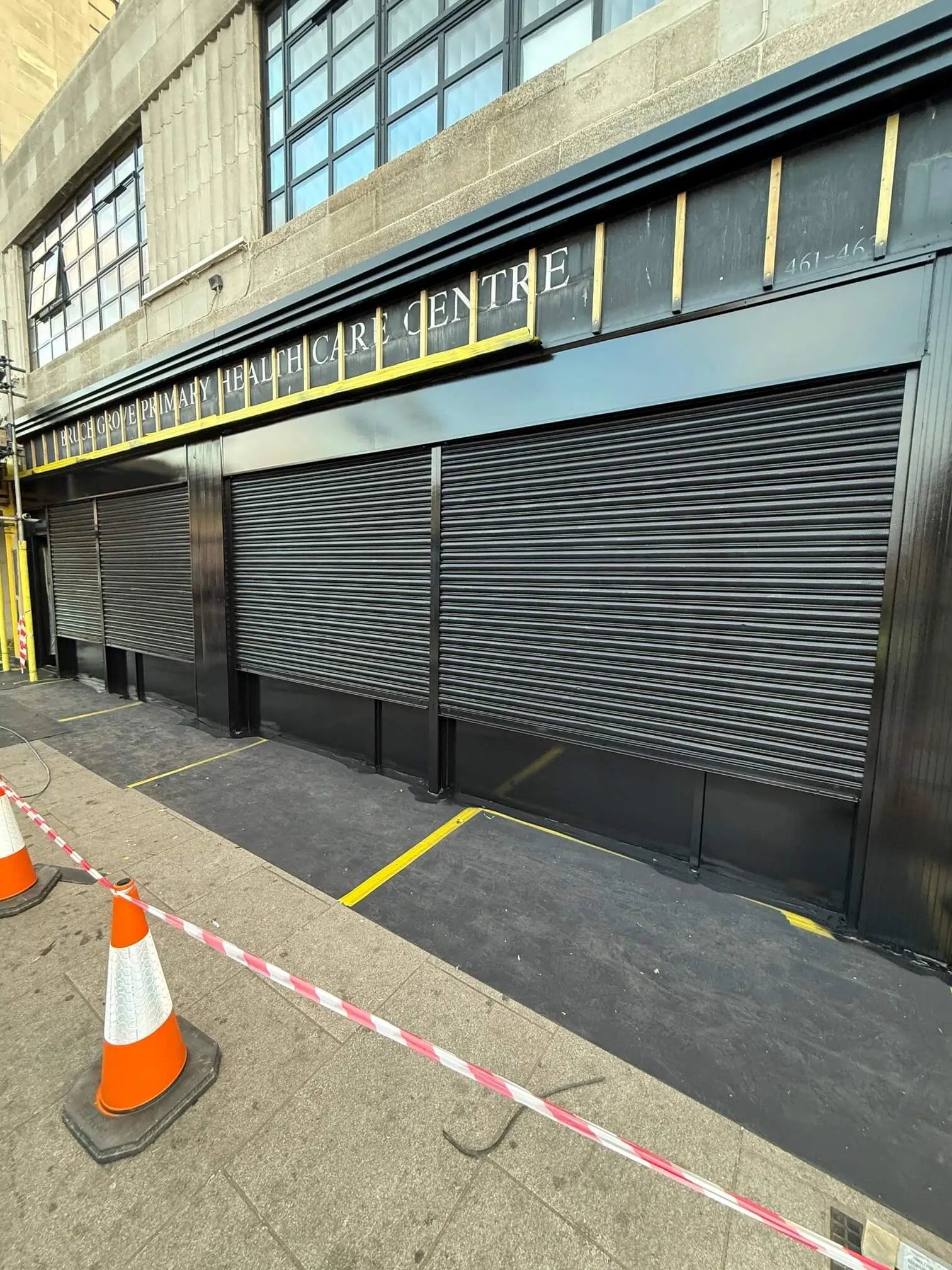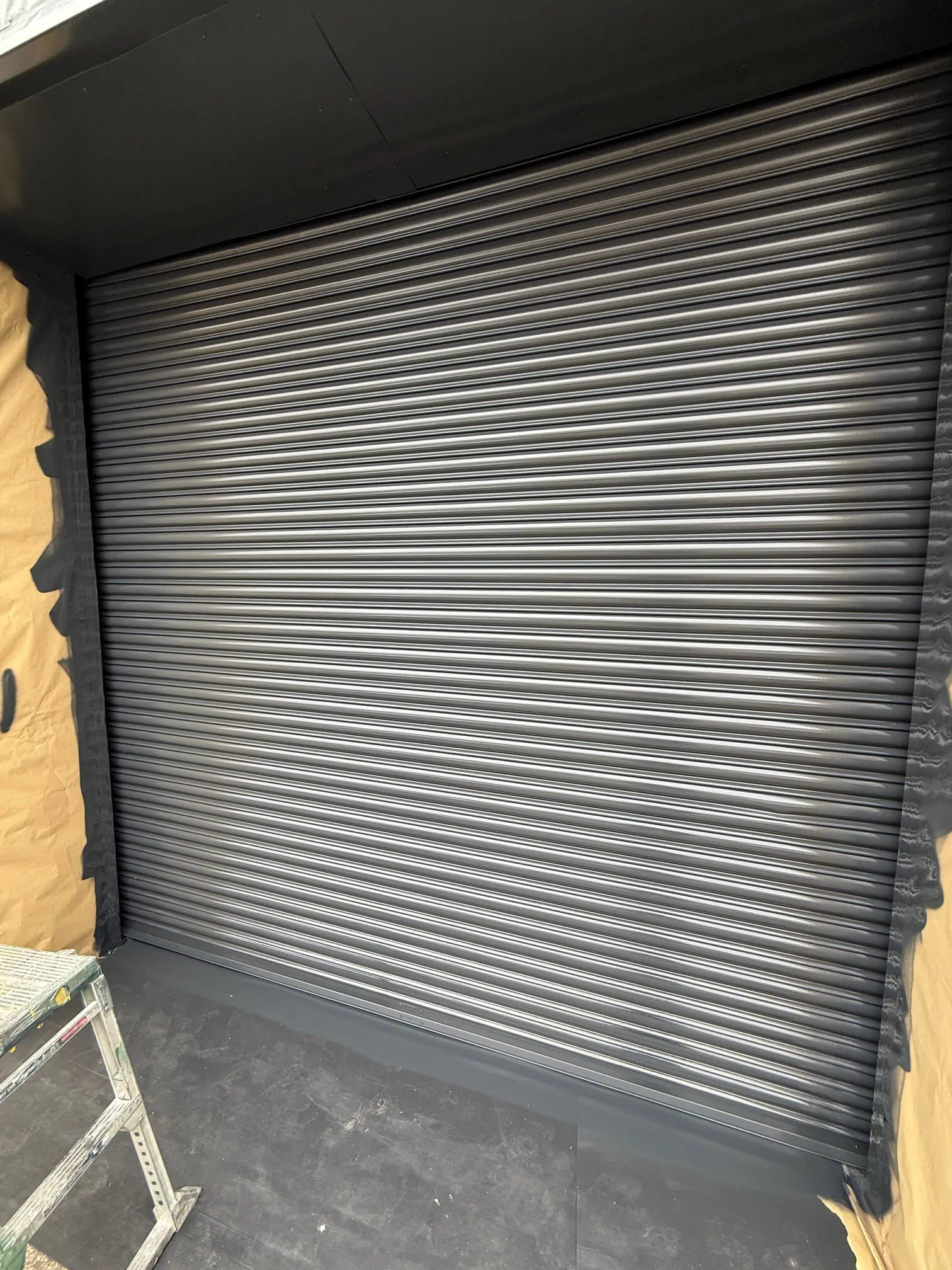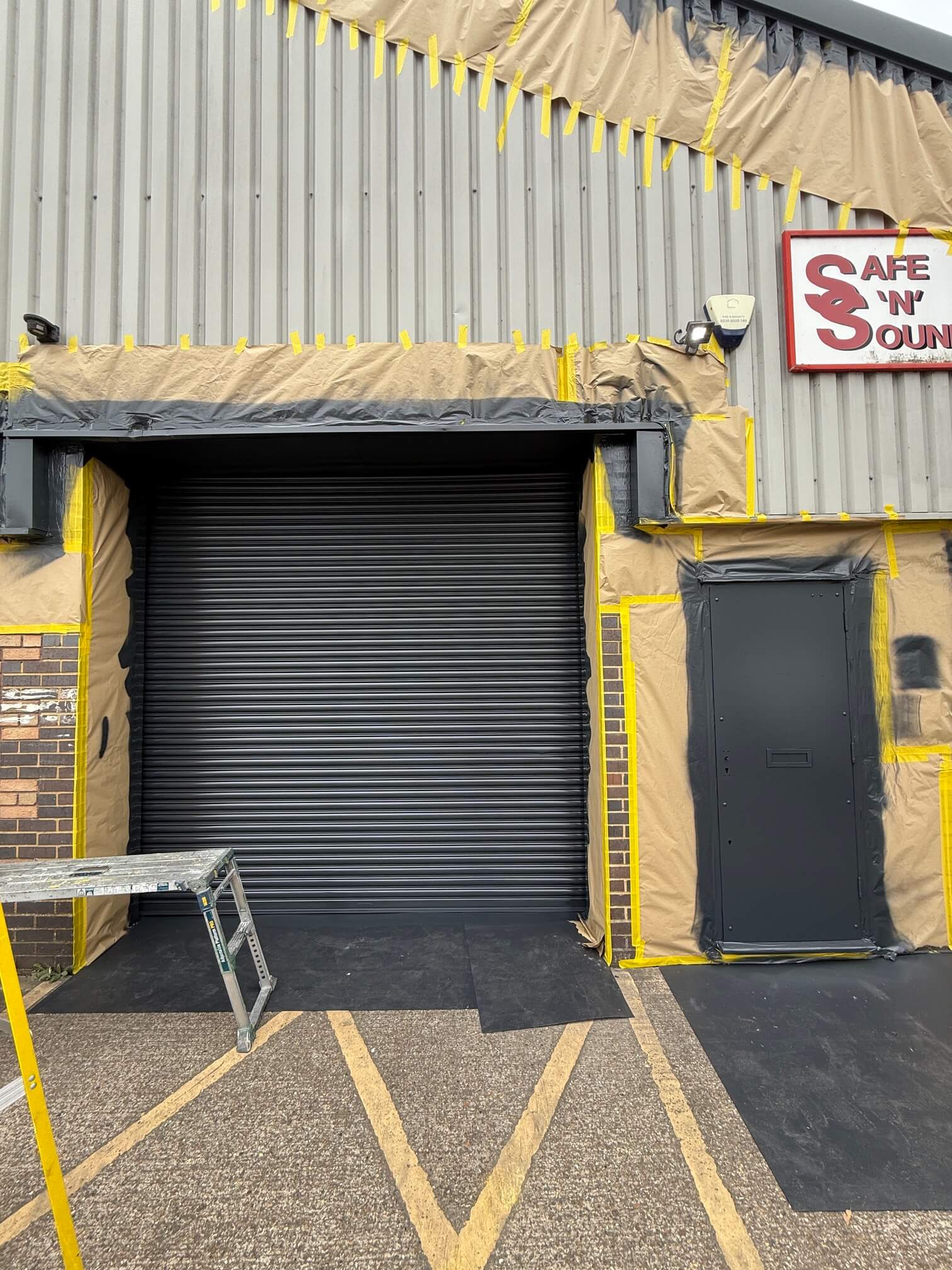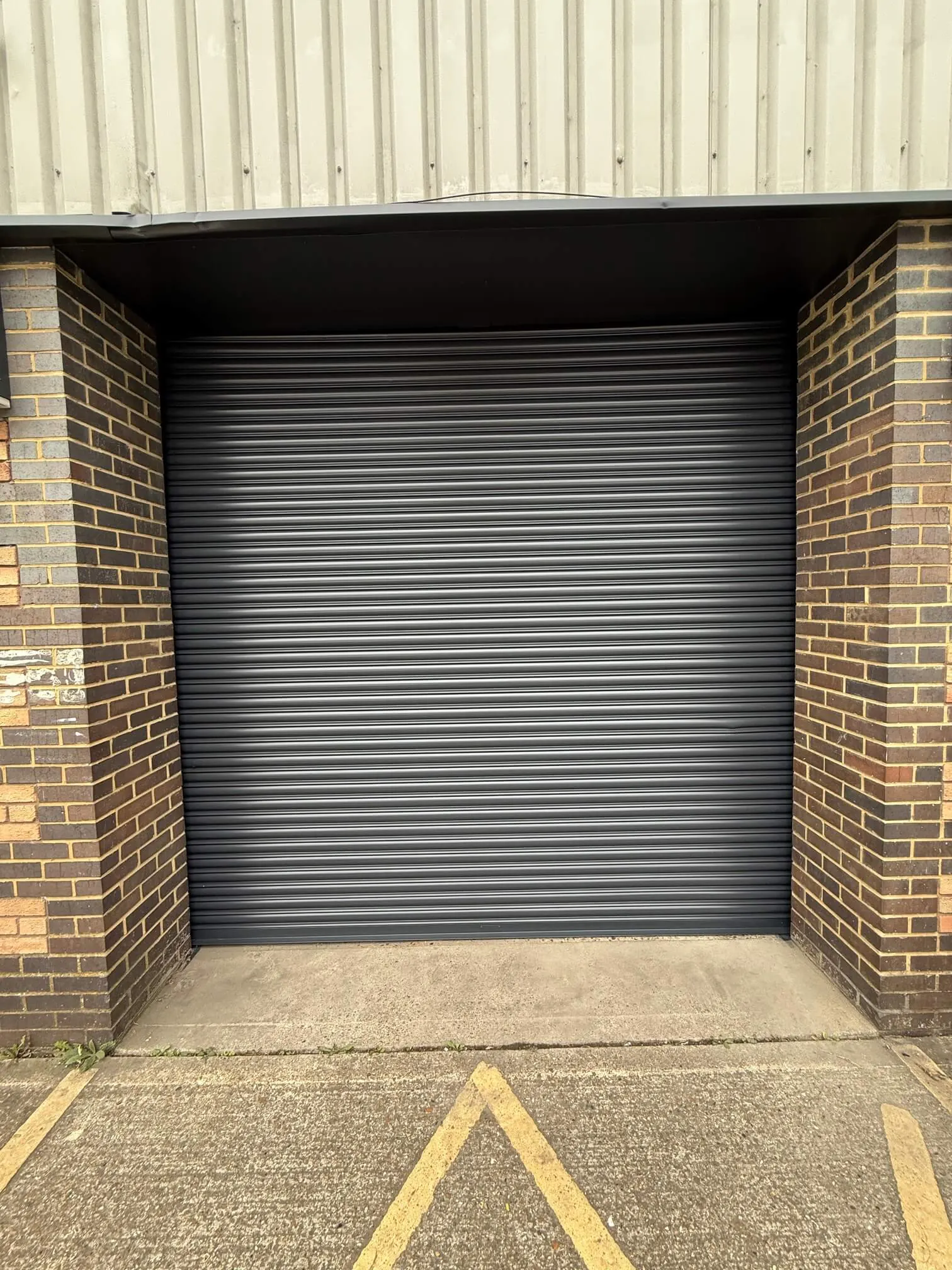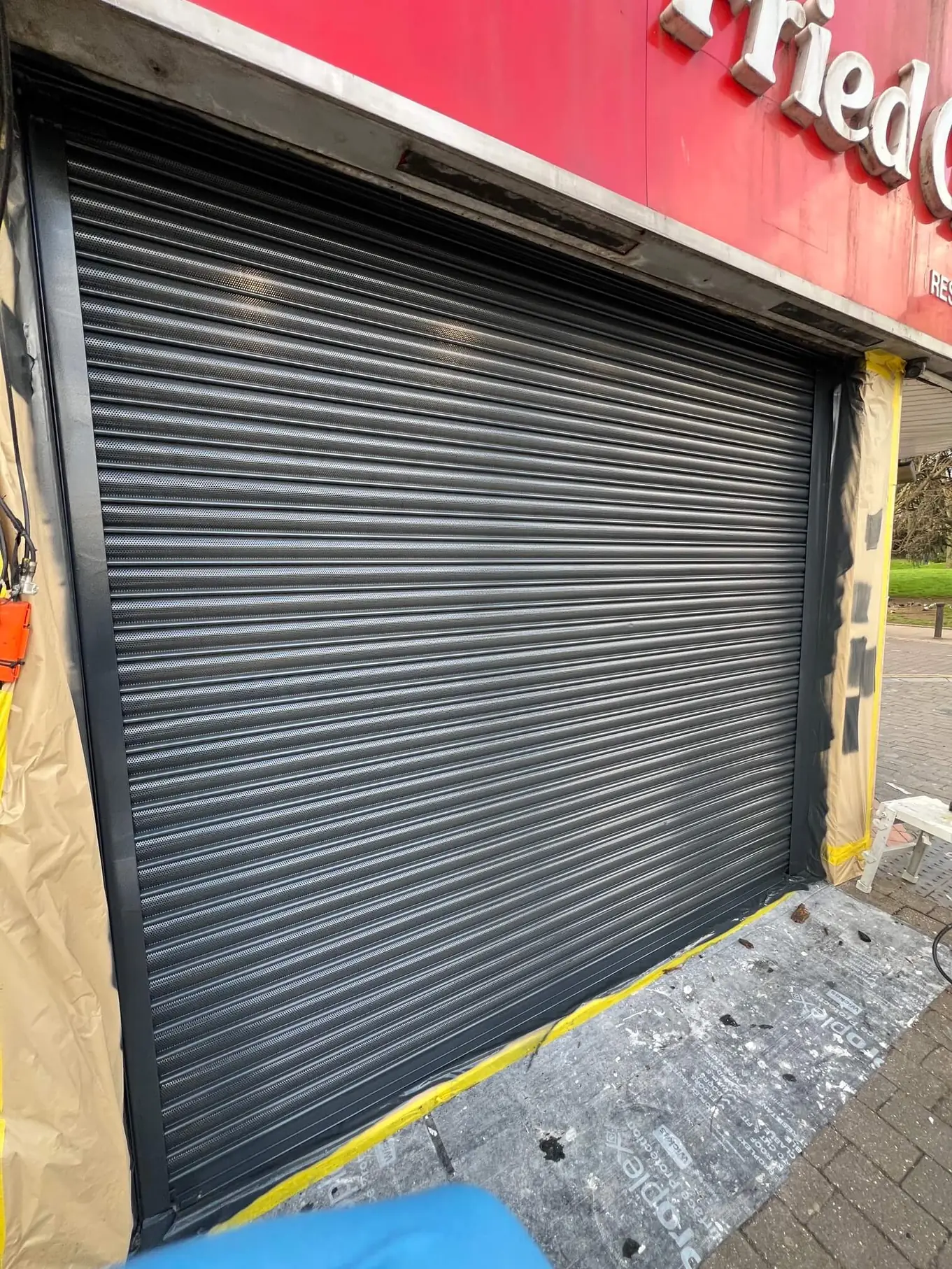
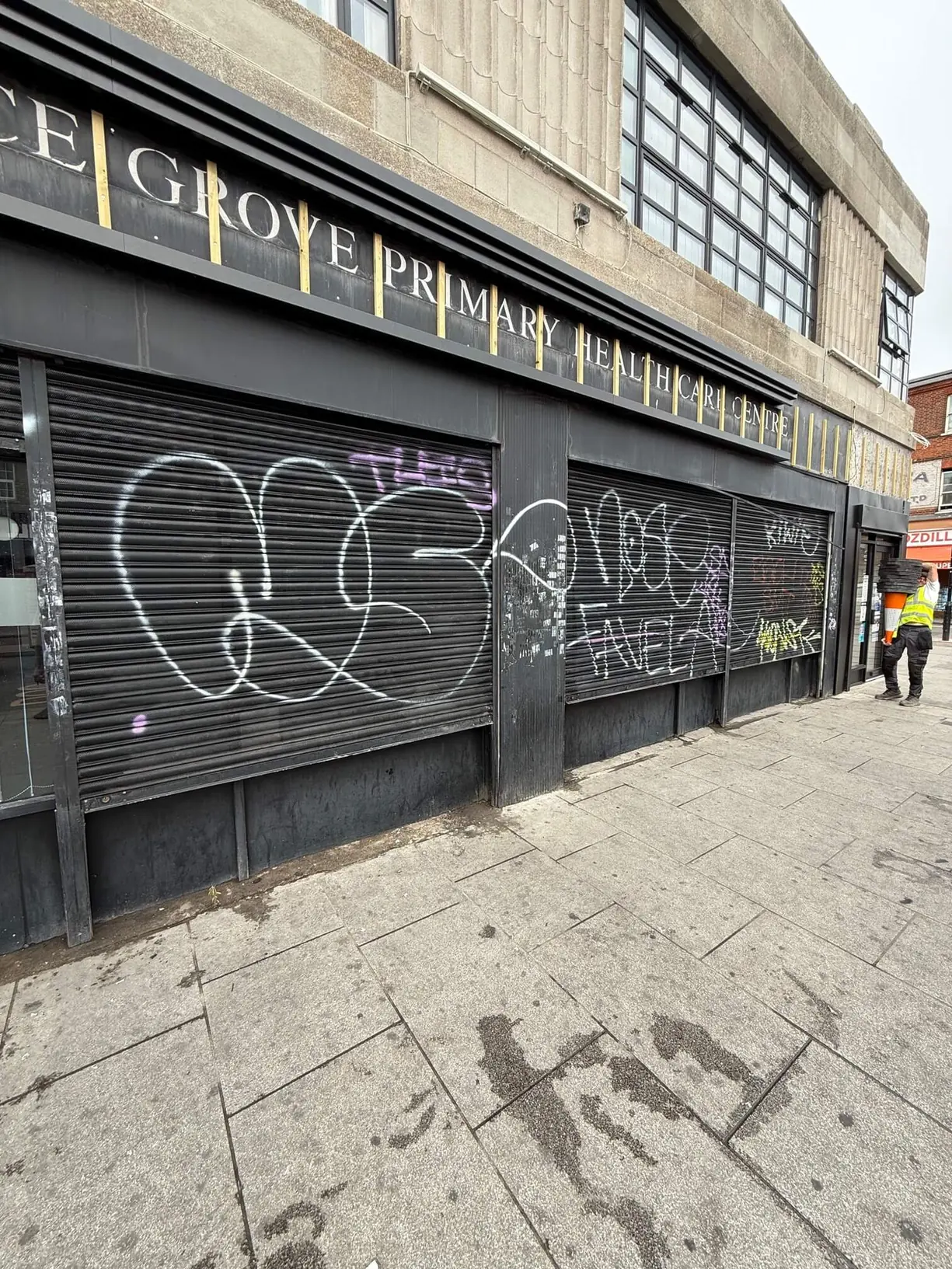
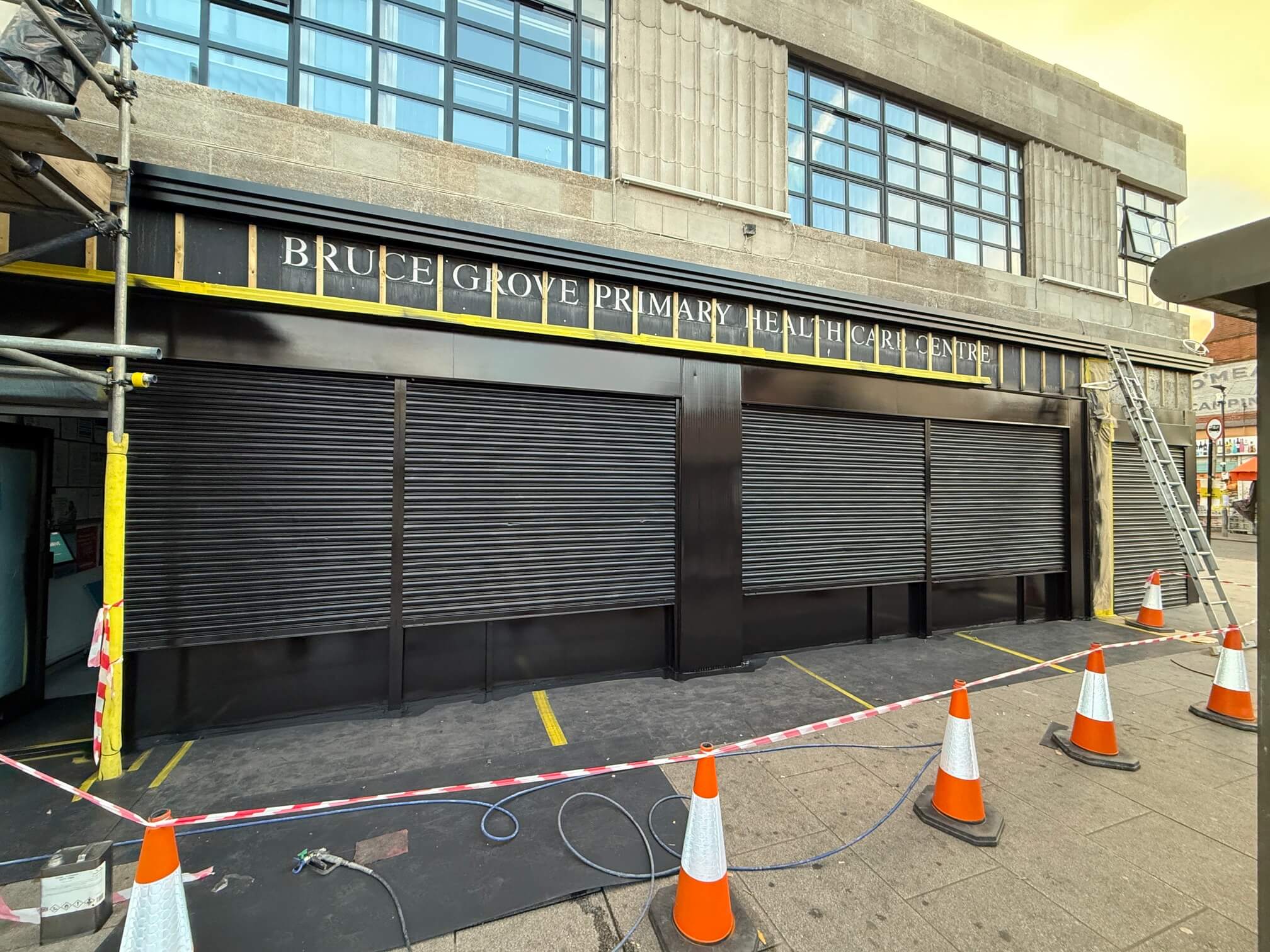
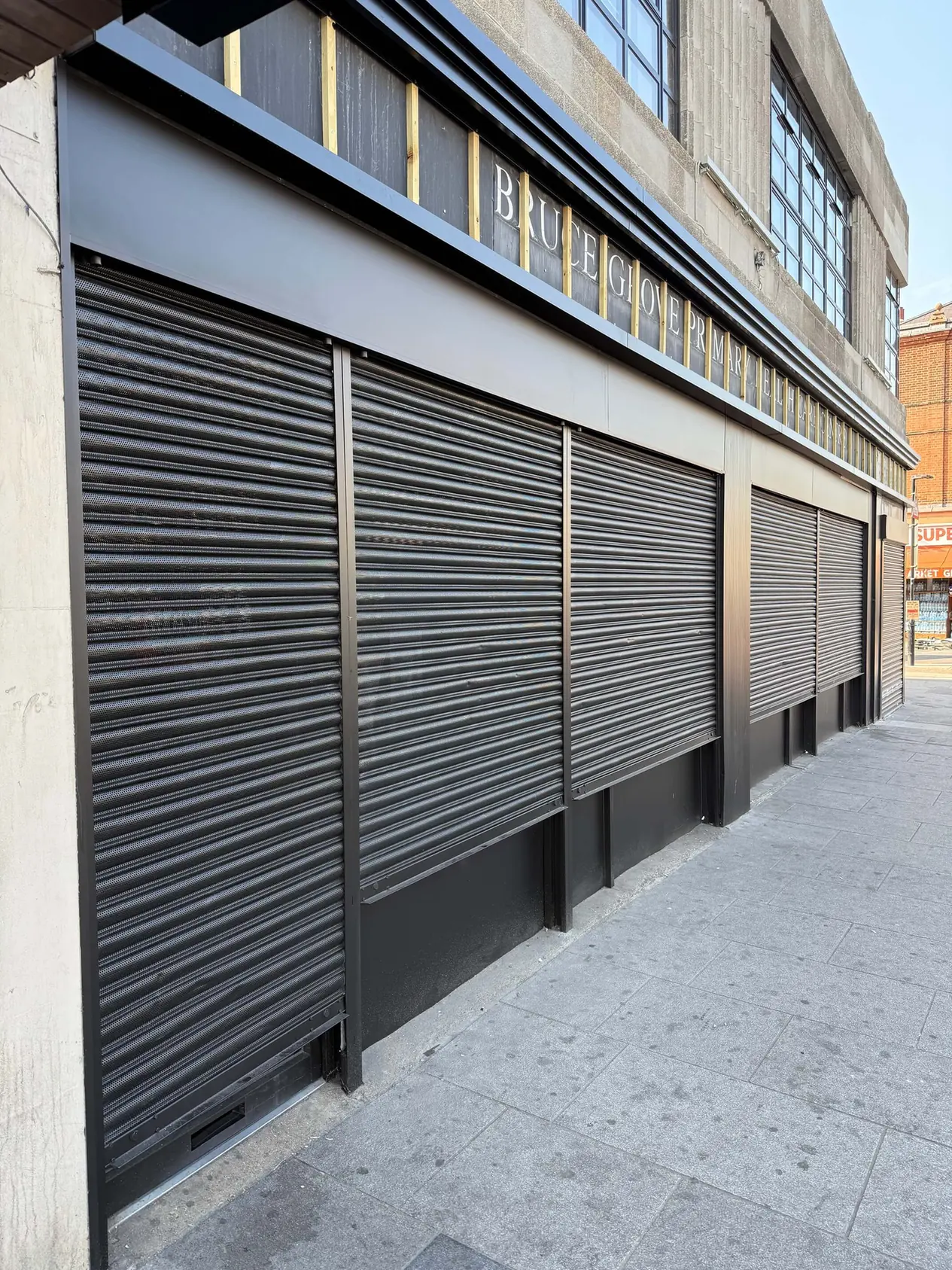
Refurbish the whole loading area
Loading bays combine several surfaces with different demands: doors exposed to the weather, steel frames subject to wear, protective barriers and areas used by people or vehicles. Treating the area as one planned project can improve consistency and make access arrangements easier to coordinate.
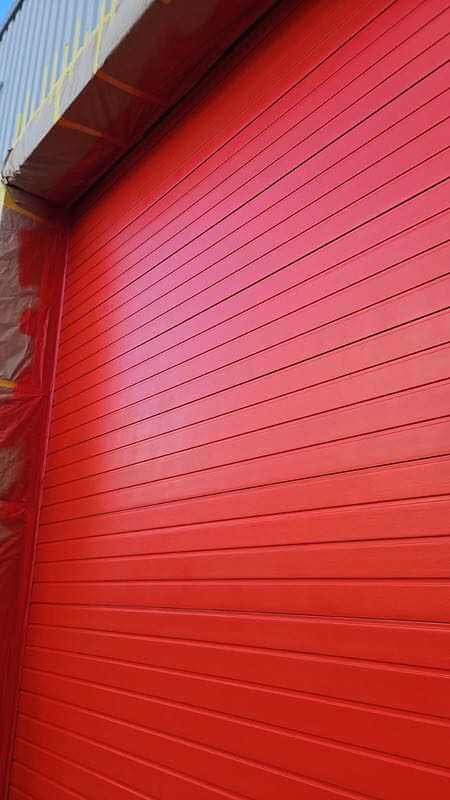
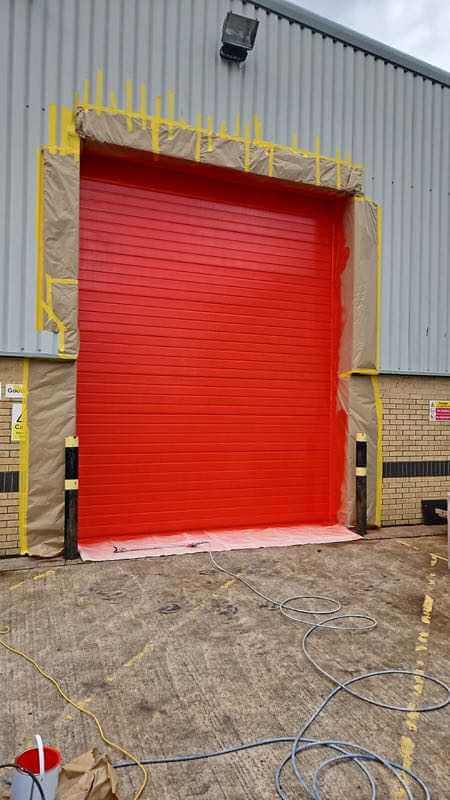
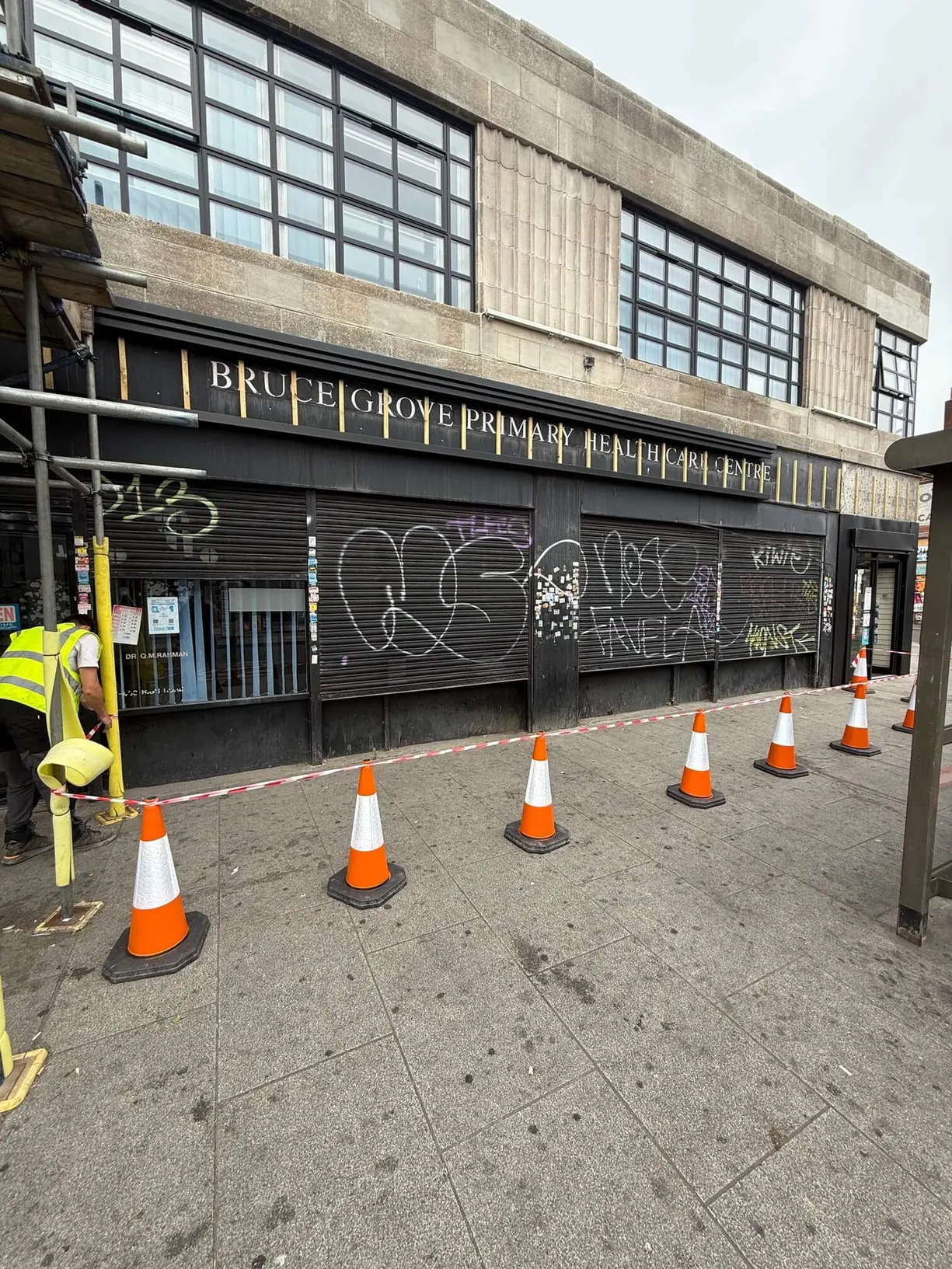
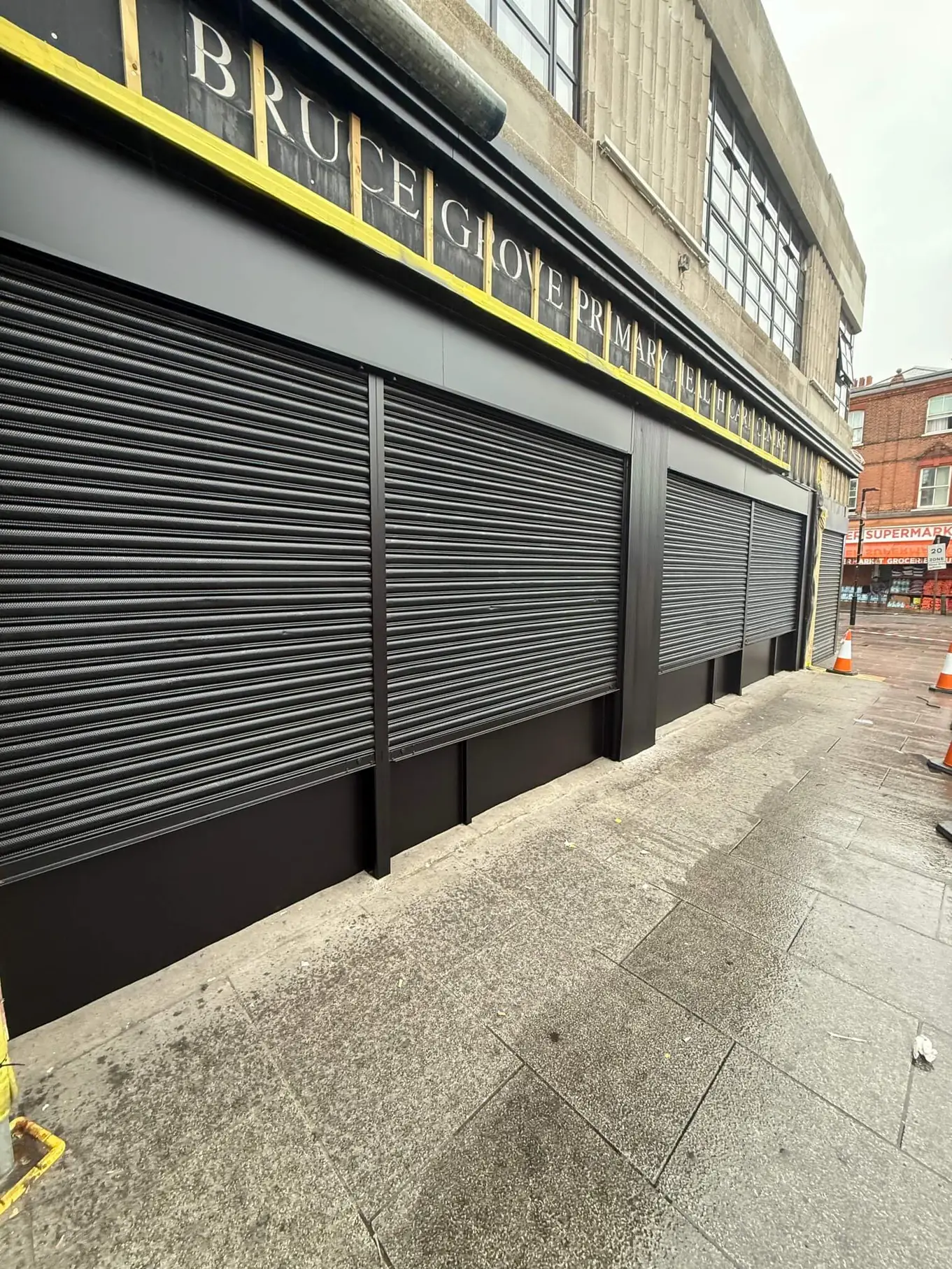
Refurbs provides loading bay coatings for warehouses, logistics premises and other commercial buildings. This service focuses on the wider operational entrance. Standalone shutter colour changes and frontage finishes are also covered by our roller shutter spray painting service.
Define what is included
The scope may include roller shutters, sectional doors, frames, dock surrounds, bollards, barriers, adjacent wall finishes and concrete kerbs. Floor coatings or refreshed markings can be considered where they are appropriate to the substrate and use of the area.
Mechanical equipment needs a clearly defined boundary. Door mechanisms, dock levellers, seals, sensors and safety devices are assessed for protection or exclusion from coating. Any refurbishment of working equipment must follow its manufacturer's requirements; paintwork is not a substitute for servicing or repair.
A bay-by-bay schedule helps identify colours, surfaces and any differences in condition. It also distinguishes decorative renewal from areas needing corrosion treatment, local repairs or a more demanding protective system.
Prepare surfaces for their individual use
Traffic, handling and outdoor exposure can leave dirt, grease, salts and damaged paint around an entrance. Preparation begins with the contaminants and the underlying material. Steel, aluminium, existing coatings, masonry and concrete do not all need the same treatment.
Loose coatings and corrosion are addressed, sound finishes are prepared for adhesion and exposed areas receive compatible primers where required. Impact damage or significant deterioration may need repair before coating. Building up paint over damaged material will not restore its strength.
Adjacent stock, vehicles, dock seals and equipment are protected during the work. Overspray and dust controls are planned around the location, while the preparation method is selected to suit both the surface and the occupied site.
Choose coatings and markings with purpose
The coating specification considers weather exposure, cleaning, contact and abrasion. A system suitable for a vertical door may be unsuitable for a trafficked floor. Refurbs separates these requirements within the scope so the finish is selected for each surface.
Colours can coordinate doors and surrounds or make designated features easier to identify. Where markings are included, their position and meaning are agreed with your site team. Markings support the wider traffic arrangement; they do not replace barriers or other controls needed to separate people and moving vehicles.
Protective coatings can reduce deterioration of suitable surfaces, but they cannot prevent damage from vehicle impacts. Ongoing inspection remains necessary in areas that receive frequent contact or wear.
Sequence work around loading operations
Delivery schedules, alternative bays, forklift movements and pedestrian access all influence the programme. Refurbs discusses which areas can close and whether phased working is practical. The work zone needs effective separation from operations throughout preparation, application and the required curing period.
Reopening is agreed by surface and coating system, rather than assuming the whole bay is ready as soon as paint looks dry. After completion, cleaning guidance and attention to damaged finishes help the refurbishment remain serviceable. The coating programme can also be coordinated with wider warehouse cladding or floor refurbishment where required.