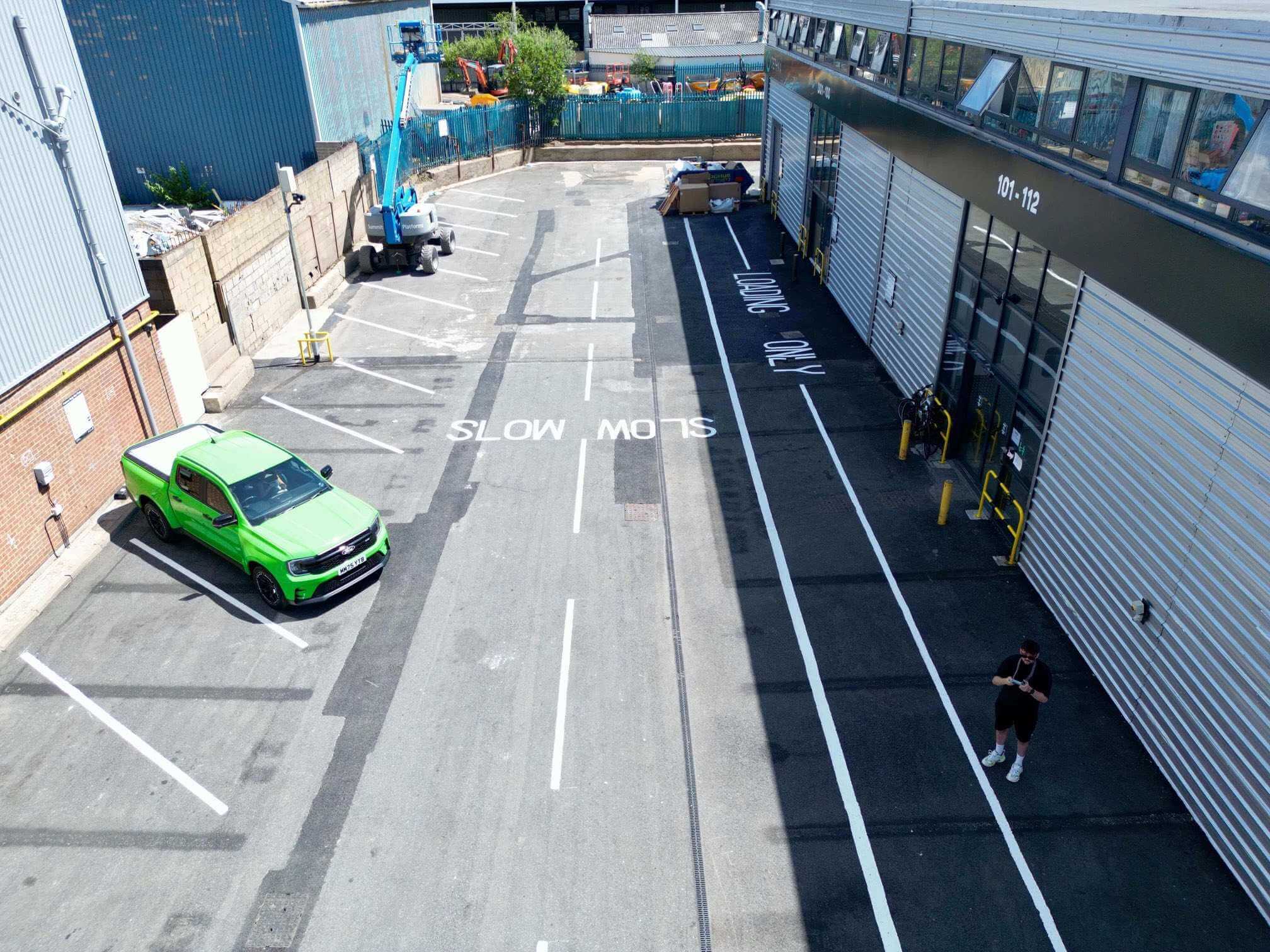
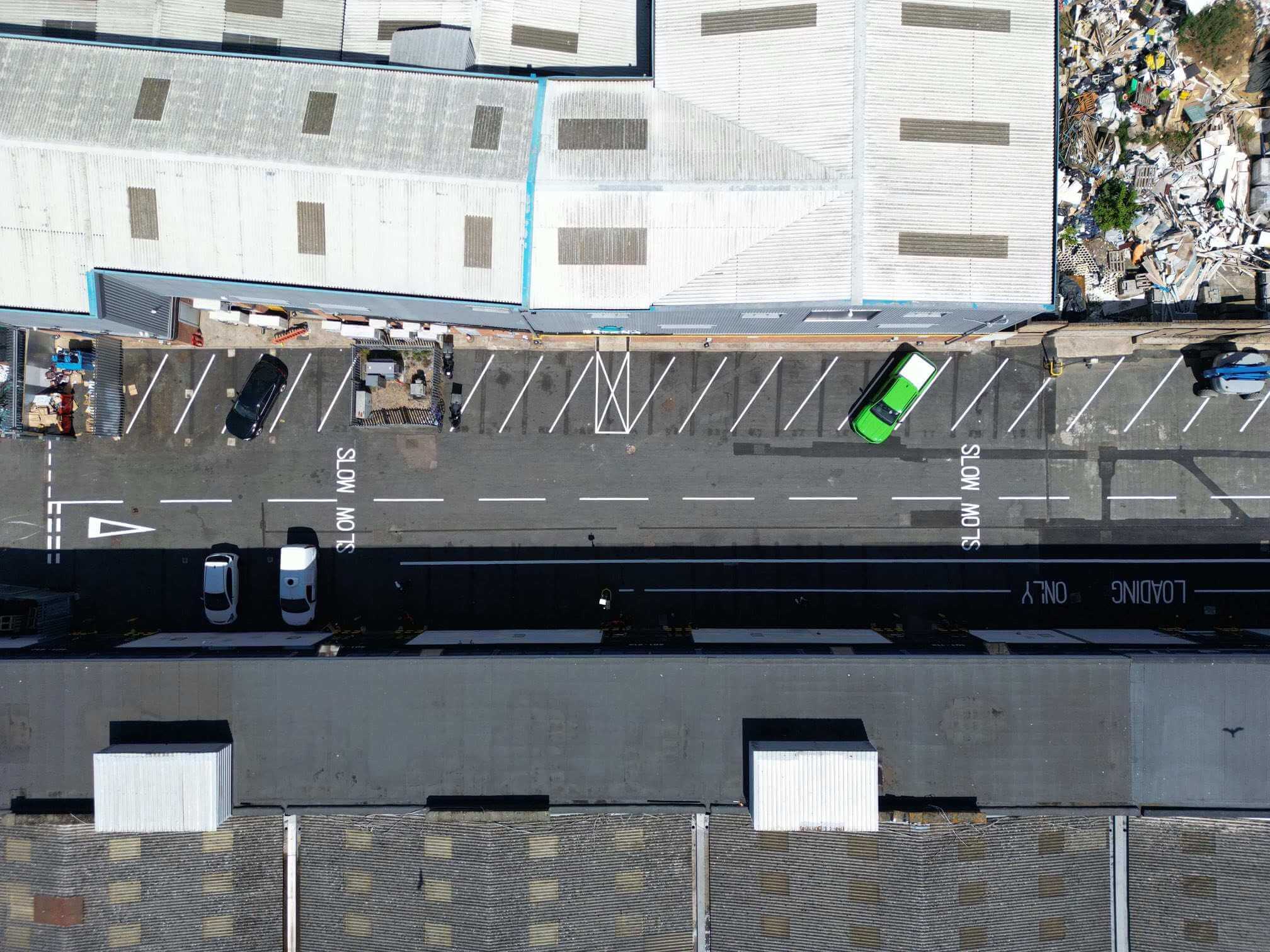
Commercial line marking with a clear purpose
Thermoplastic traffic markings provide visible guidance on car parks, private roads and external working areas. The material is heated for application and hardens as it cools. It can be used for lines, symbols and other agreed markings where the surface and operating conditions are suitable.
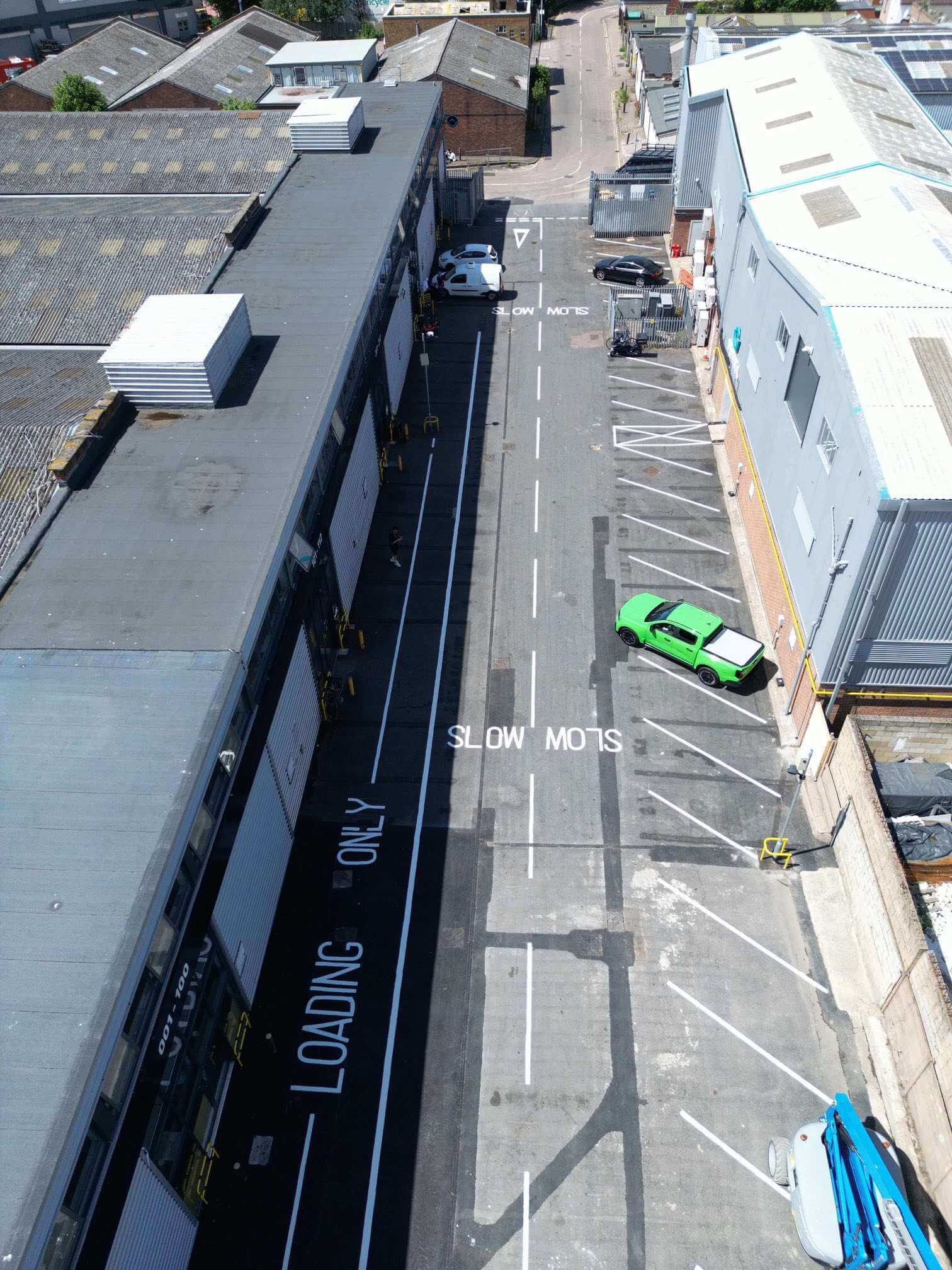
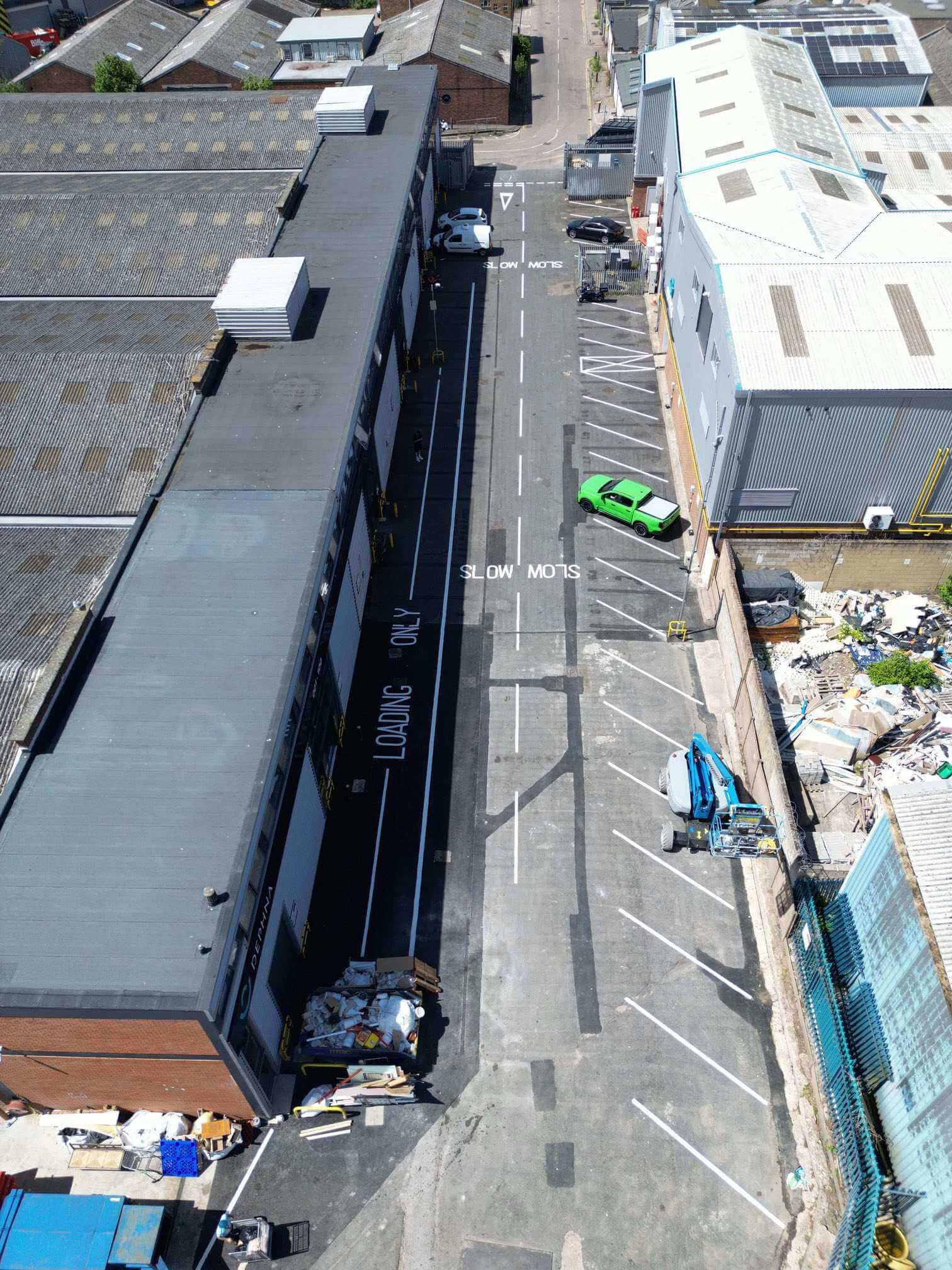
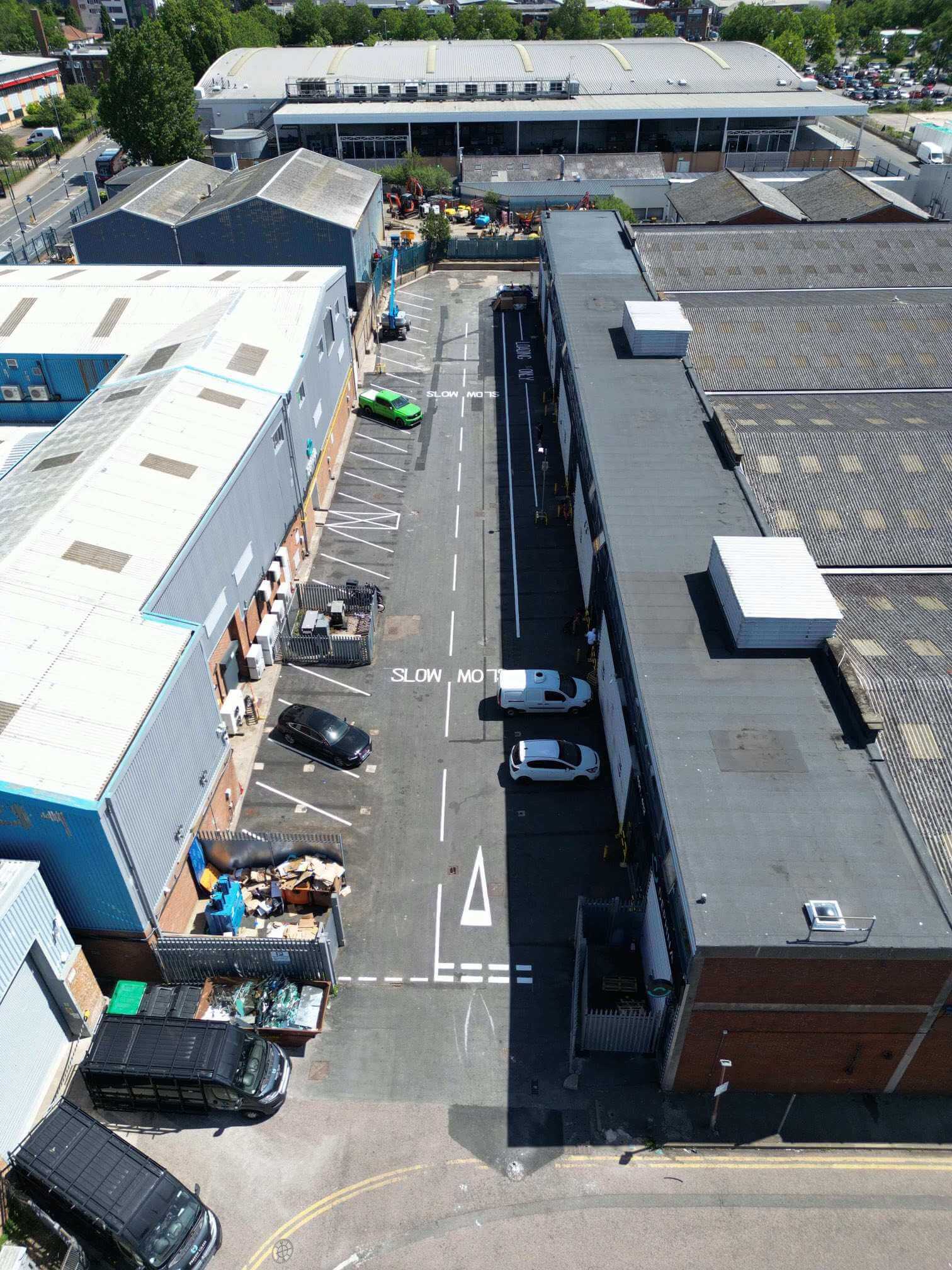
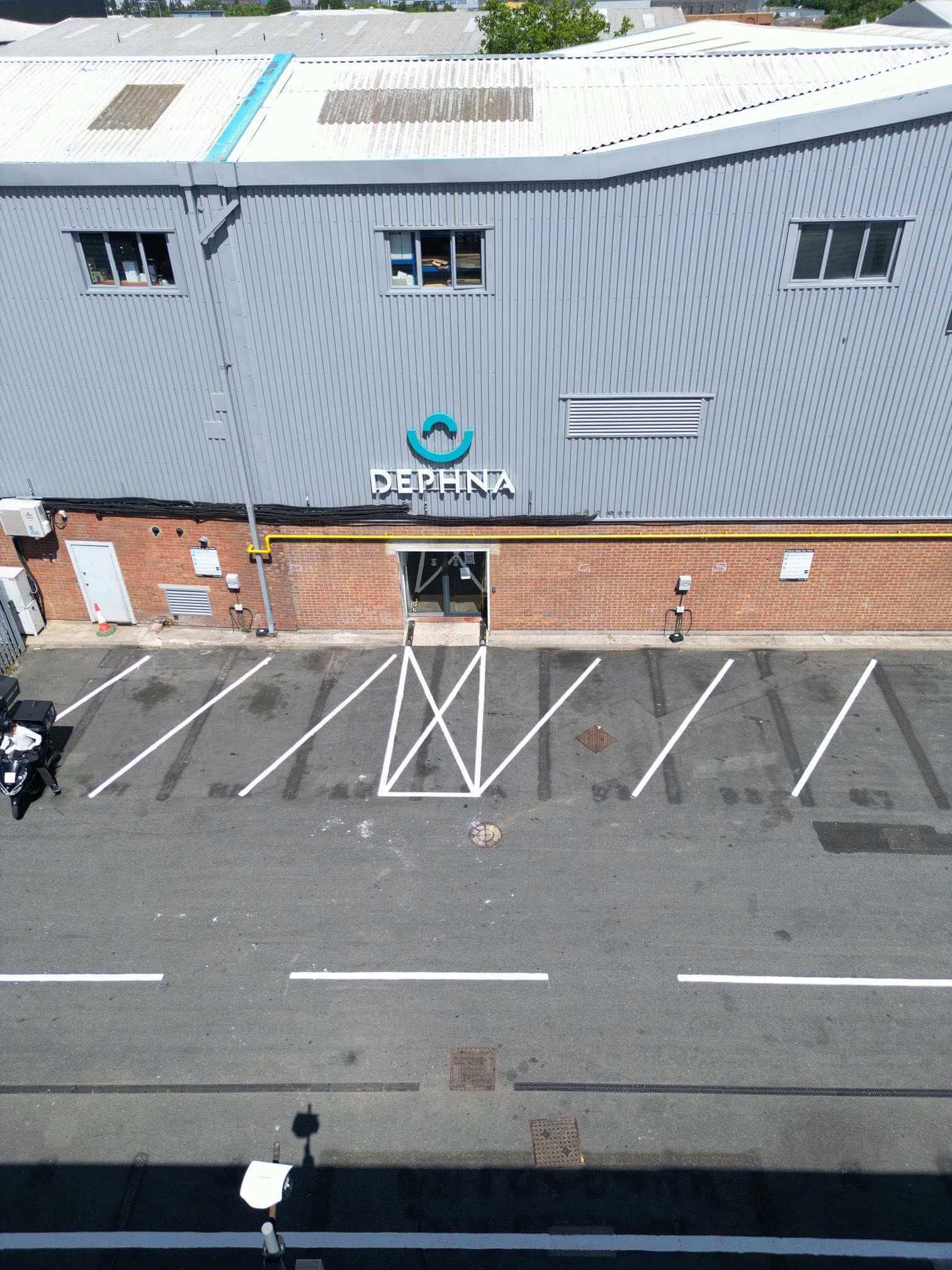
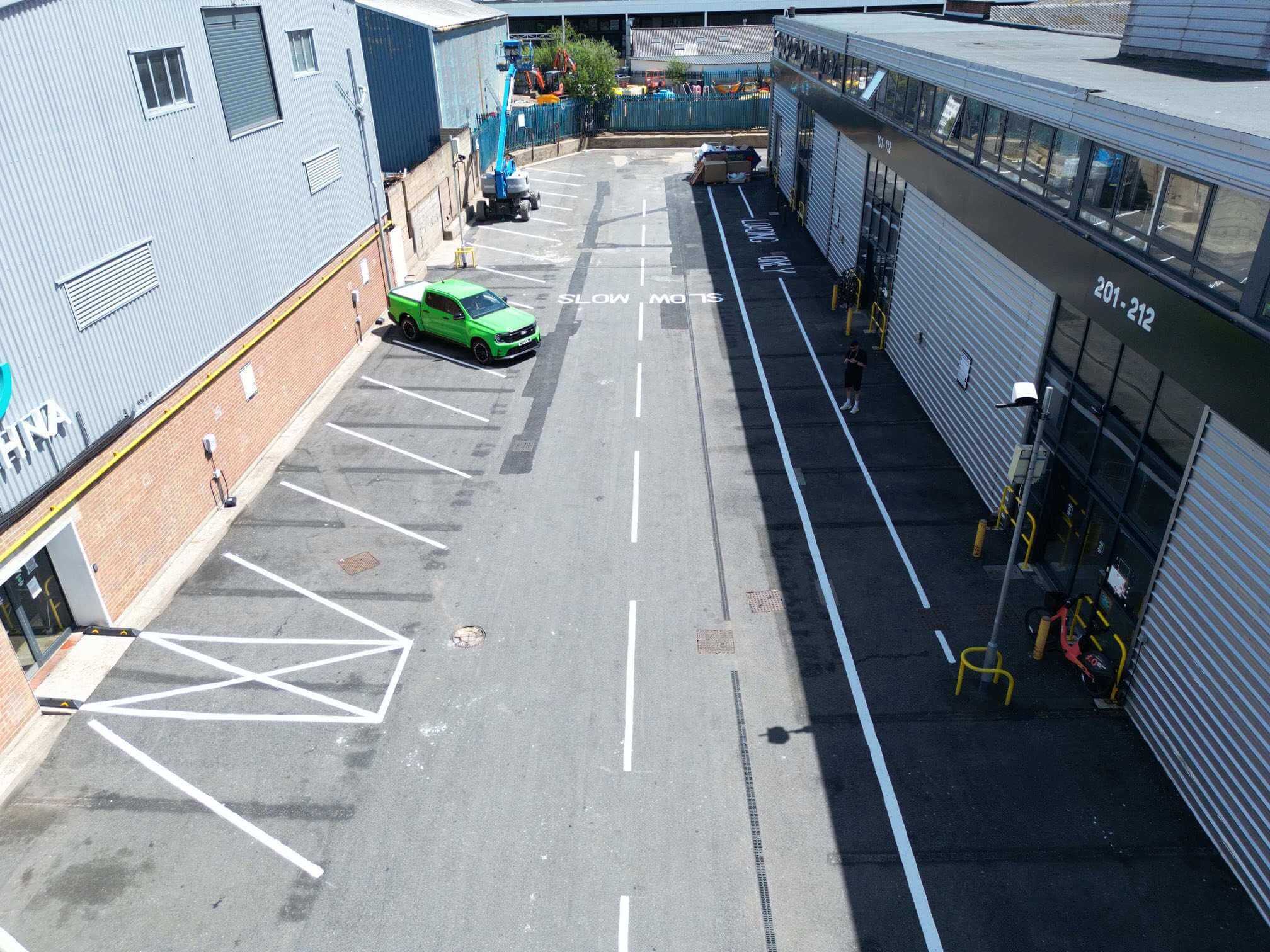
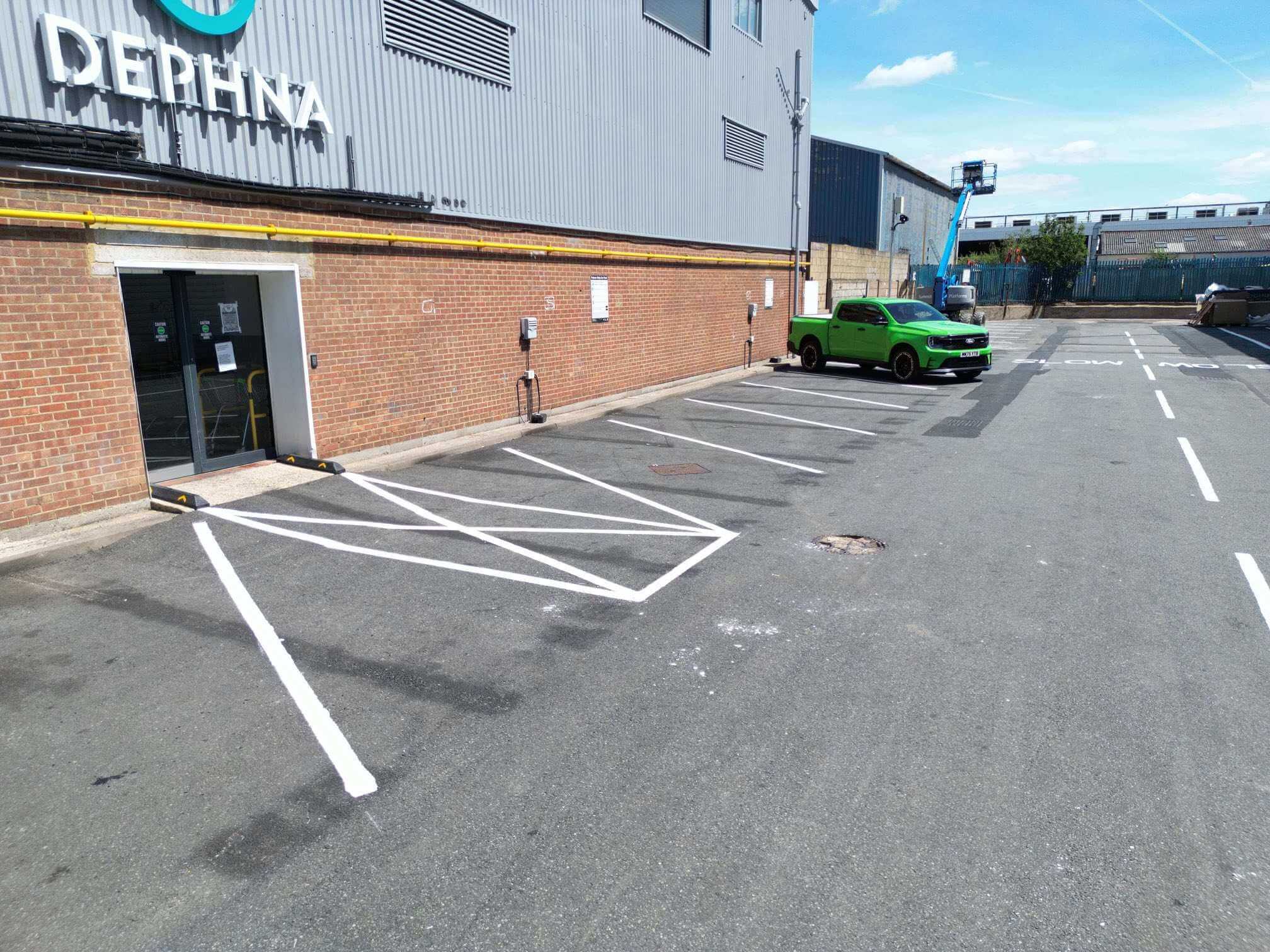
Refurbs helps commercial sites refresh worn layouts or introduce changes to parking and circulation. Typical work includes parking bays, directional arrows, loading areas, hatching, bay numbers and pedestrian route markings. The scope is agreed around the way people and vehicles actually use the space.
Agree the layout before installation
A marking project starts with a clear plan. Existing drawings, site measurements and your operational requirements help establish positions, dimensions and routes. Repainting an old layout without checking its purpose can preserve problems that a refurbishment should address.
We discuss delivery movements, turning areas, entrances and spaces that need to remain clear. Accessible parking, crossings and other specialist details are set out to the approved requirements for the site. Any necessary design or accessibility advice should be resolved before the layout is marked.
Markings are one part of site traffic management. Where people and vehicles meet, the overall arrangement may also require separate routes, barriers, signs and operational controls. Painted lines do not provide physical protection from moving vehicles.
Check the surface and existing markings
Thermoplastic is commonly used on asphalt. Concrete, older worn asphalt and other surfaces may need a compatible primer or a different marking system. Suitability is checked against the material supplier's requirements and the condition of the area being treated.
Loose surfacing, potholes, oil contamination and trapped moisture can affect the result. Repairs or cleaning may be needed before installation. The substrate must meet the selected system's preparation and dryness requirements; marking over a failing surface will not strengthen it.
Existing lines are assessed to decide whether they can be renewed or should be removed. Conflicting markings can confuse drivers, while building up repeated layers may be unsuitable. Removal methods are selected with care because they can leave visible traces or affect the road surface.
Prepare, set out and apply
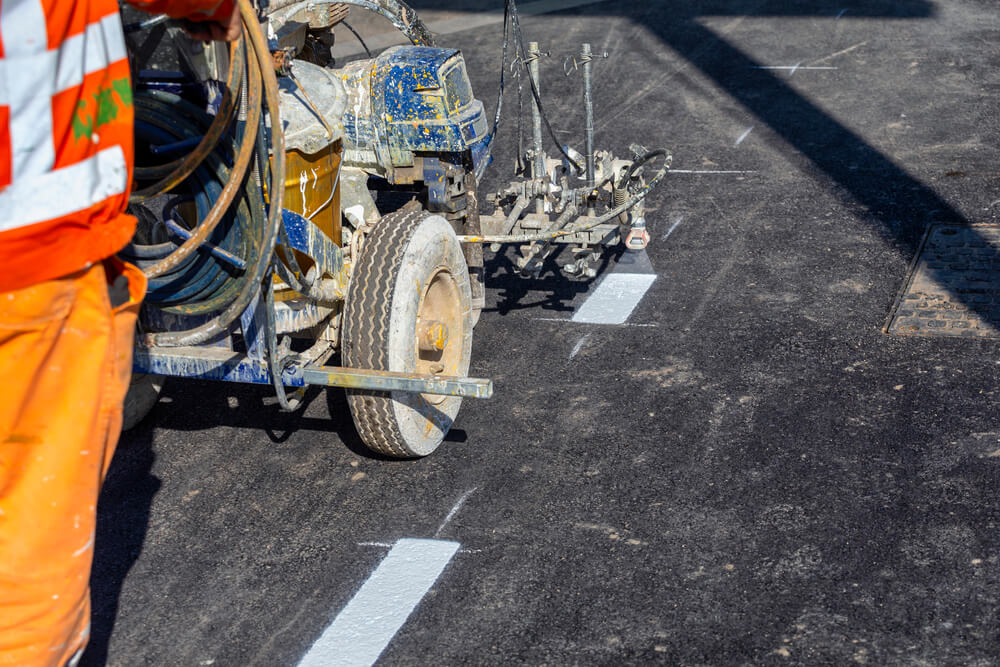
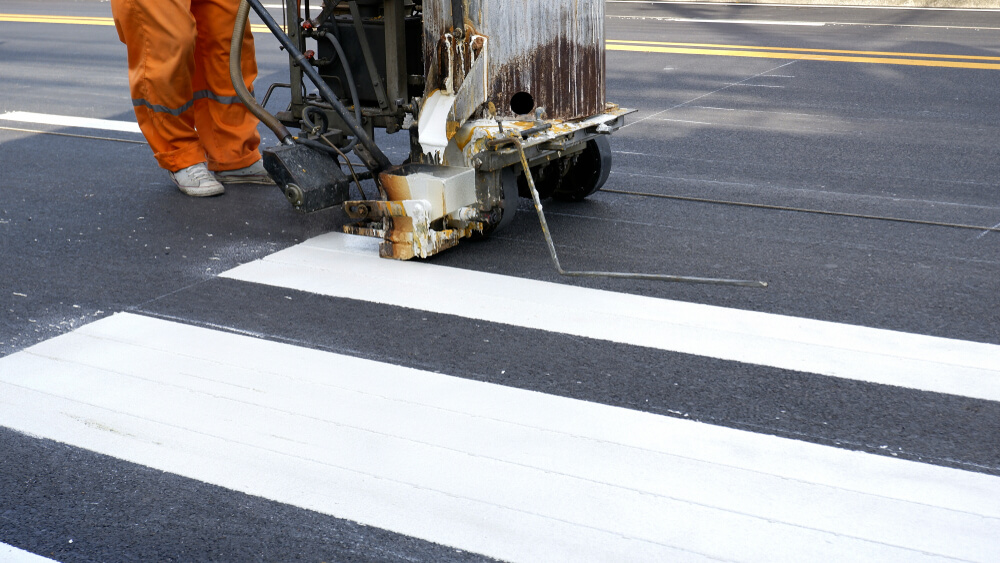
The working area is cleared and prepared, then the agreed layout is set out before material is applied. Primers, where specified, need the appropriate application and drying conditions. Equipment and installation method are selected for the line work, symbols and scale of the project.
The specification can include requirements for visibility and skid resistance appropriate to the location. The chosen material and application details need to meet those requirements, with performance considered for the expected traffic and weather.
Manage closures and future maintenance
Refurbs plans the sequence with your site team so vehicles, visitors and pedestrians can be directed around the work. Larger areas can be considered for phased installation, subject to a workable access arrangement. Reopening follows the material's cooling or curing requirements and the conditions on site.
Wear varies with turning movements, traffic levels, surface condition and cleaning. Periodic checks help identify fading, damage or layout changes that need attention. Targeted renewal keeps important directions legible and can be coordinated with wider car park or loading area refurbishment.