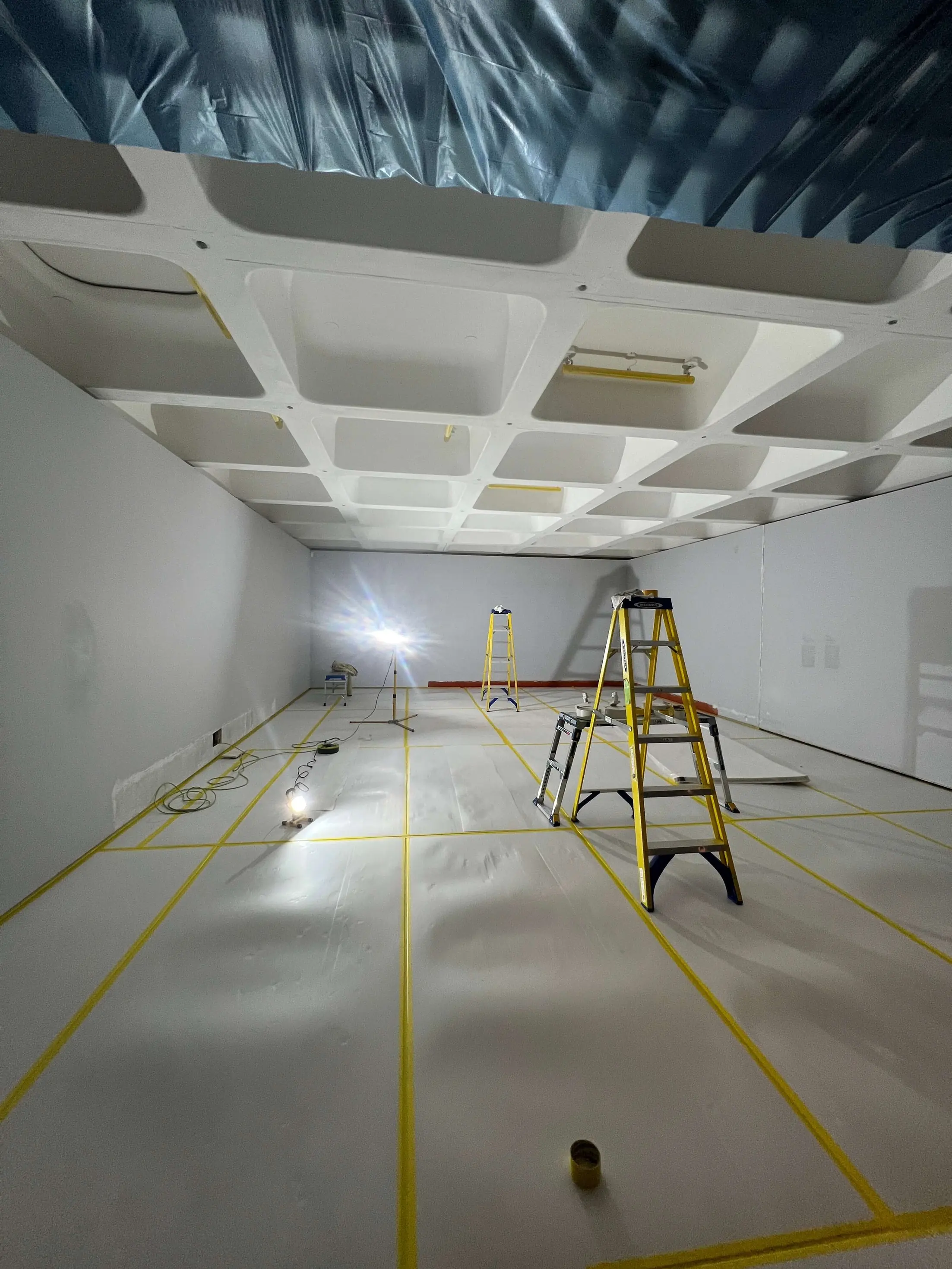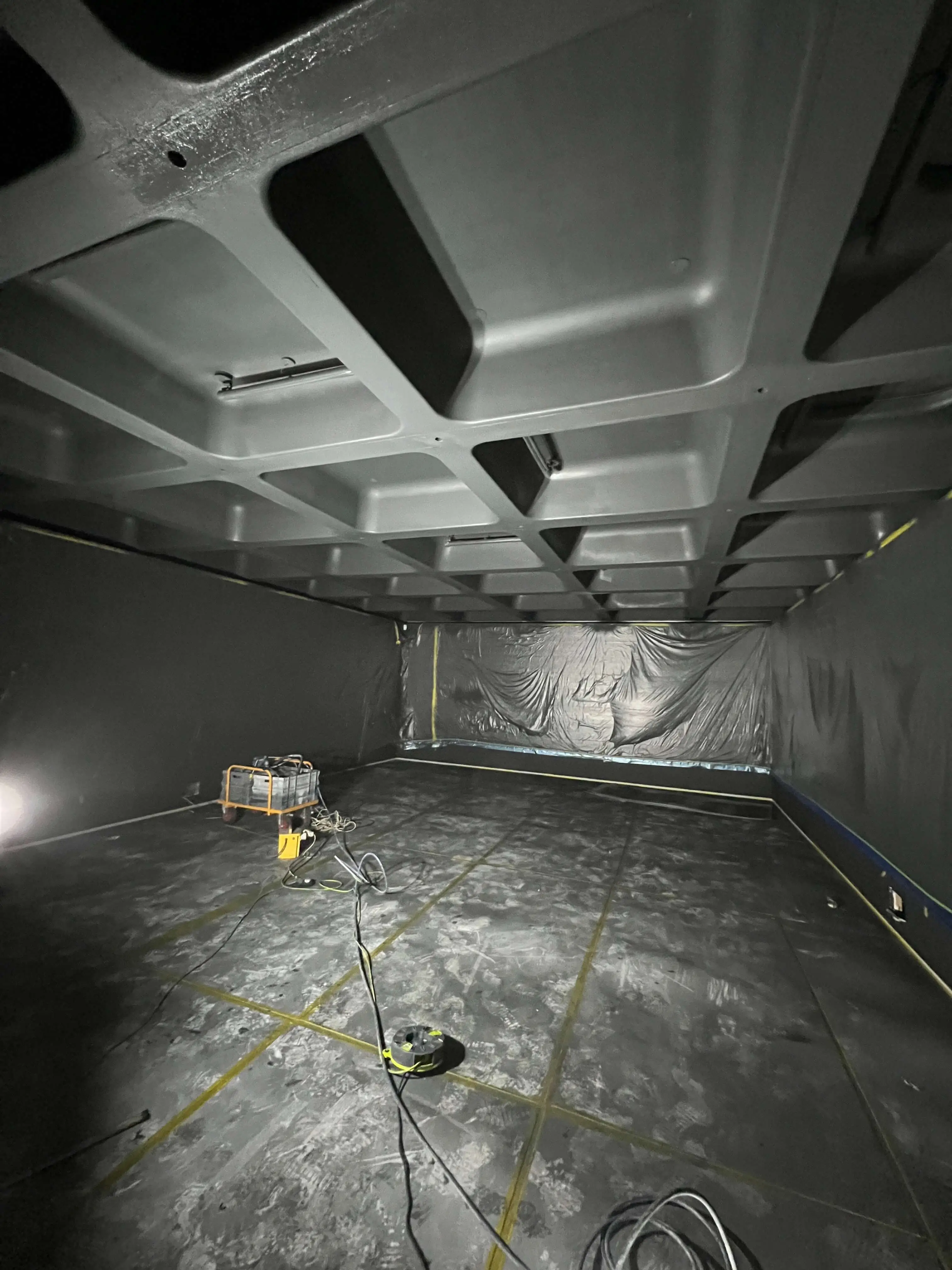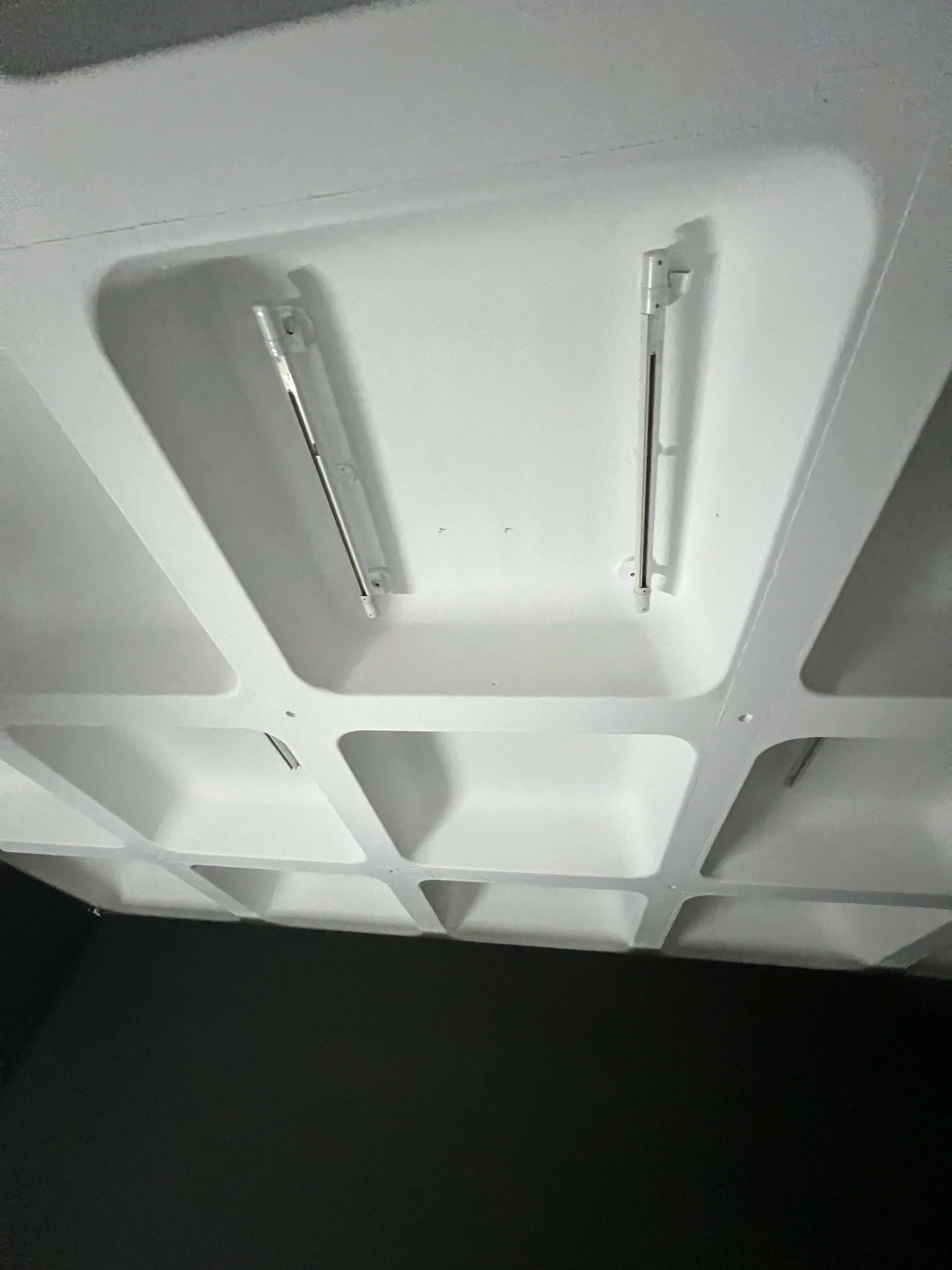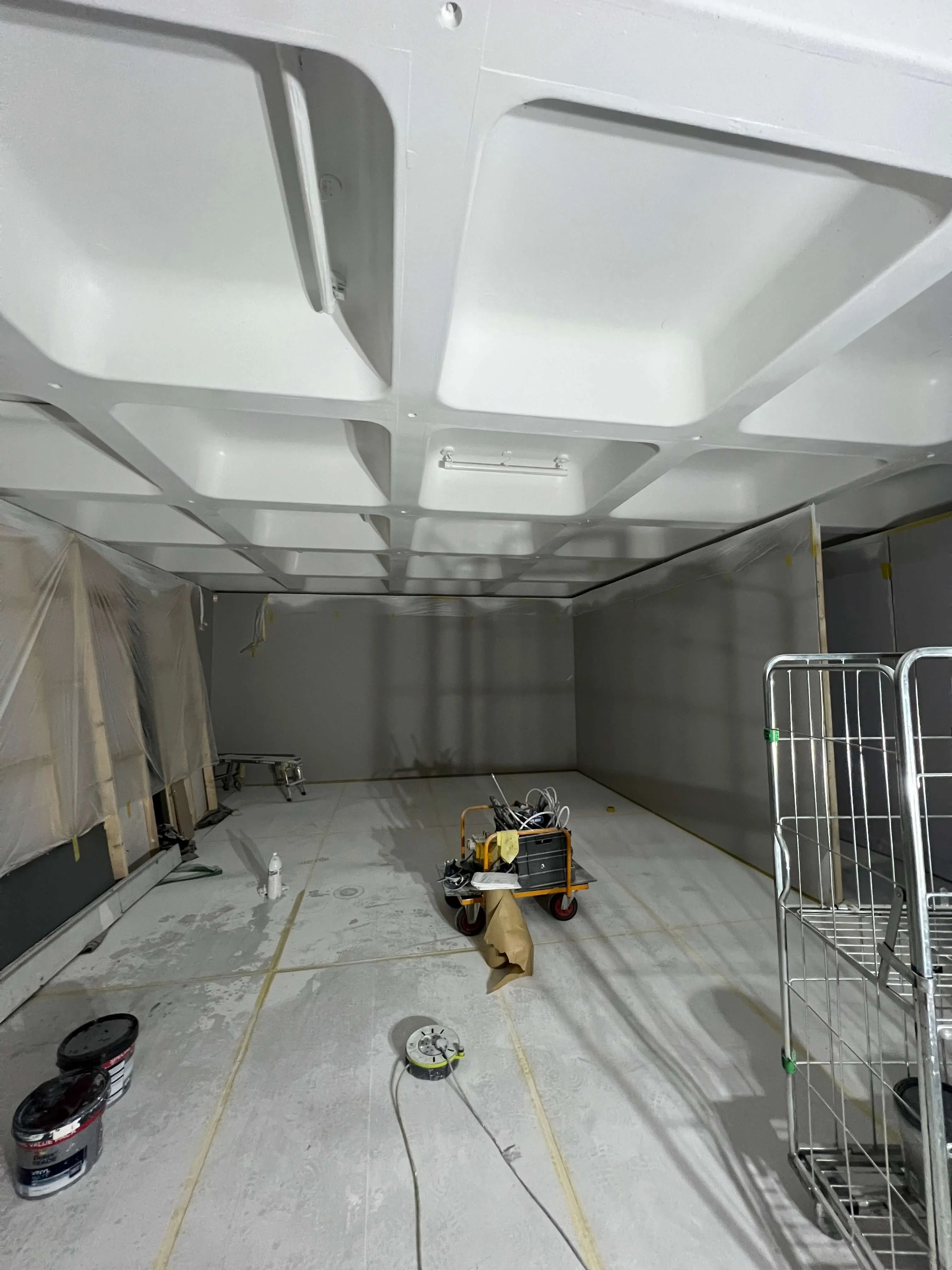
Where ceiling spraying is useful
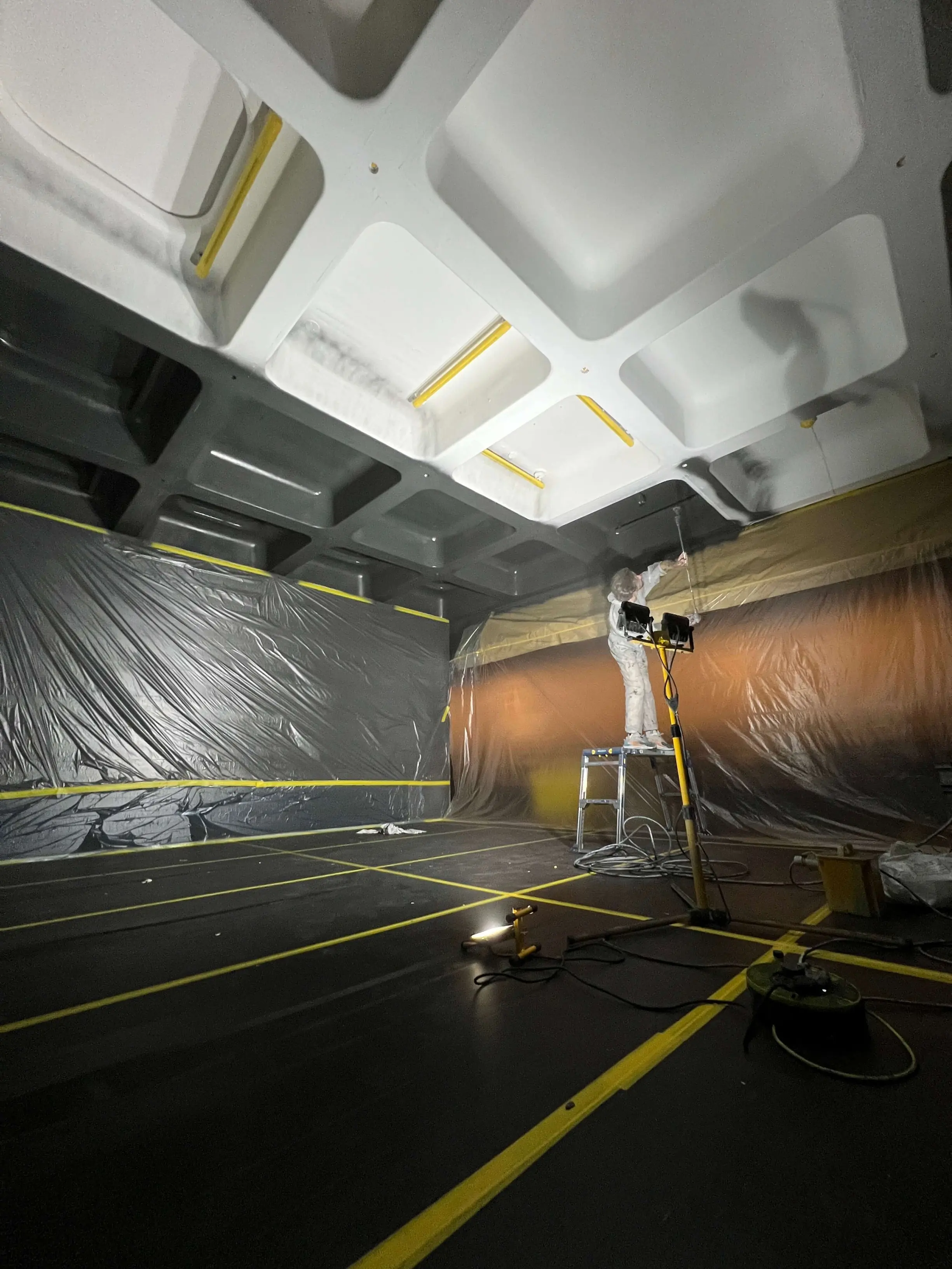
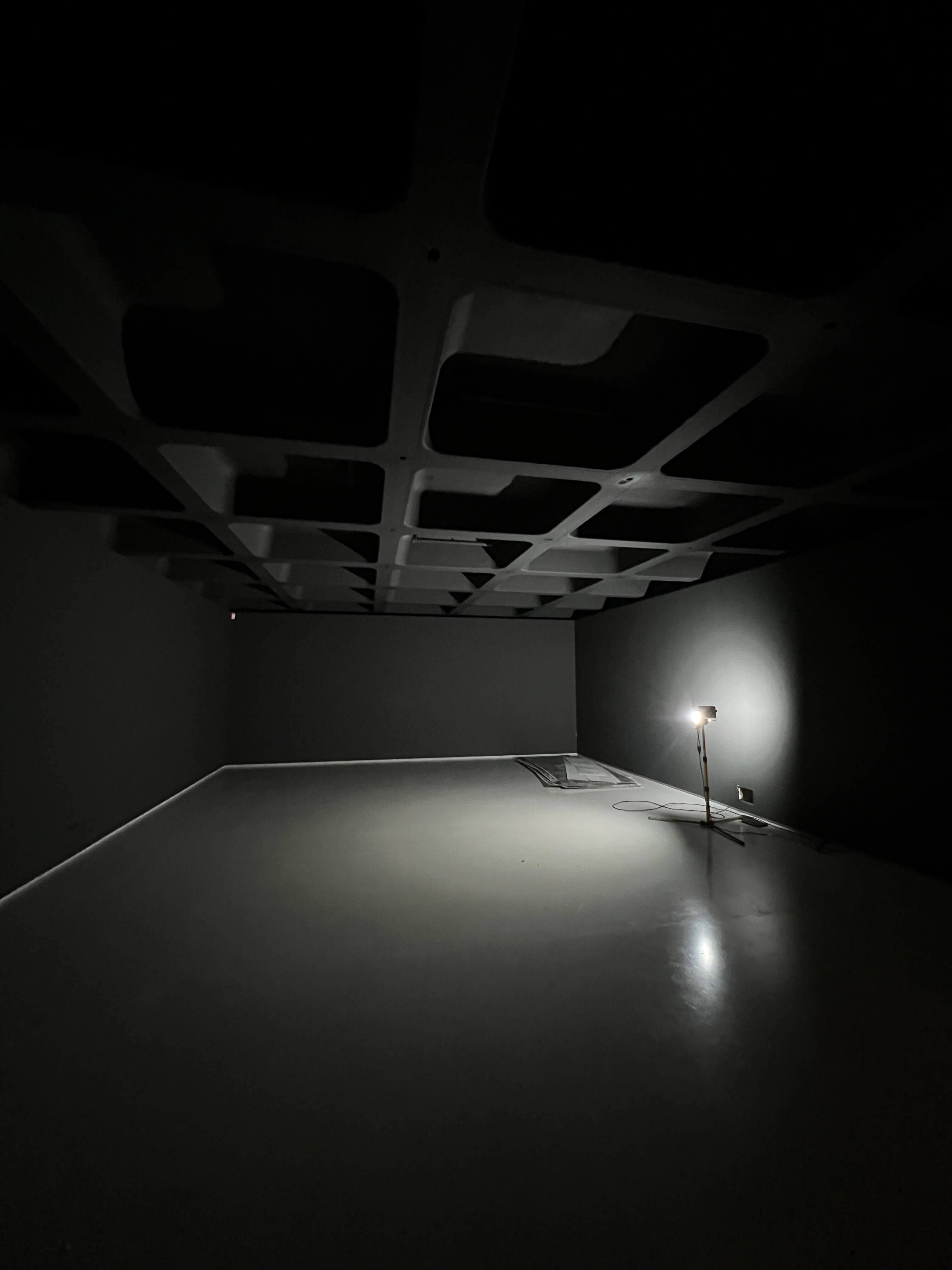
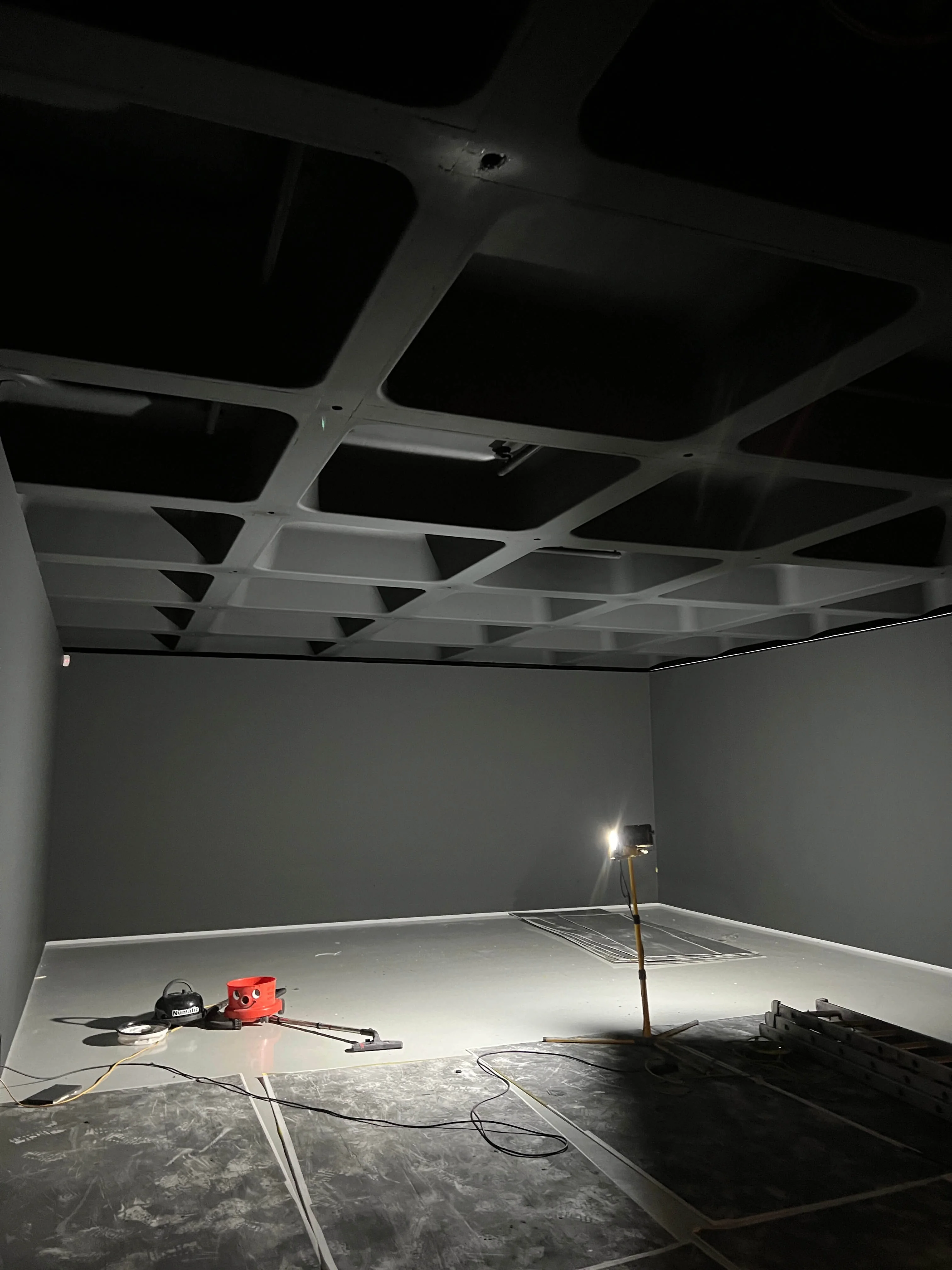
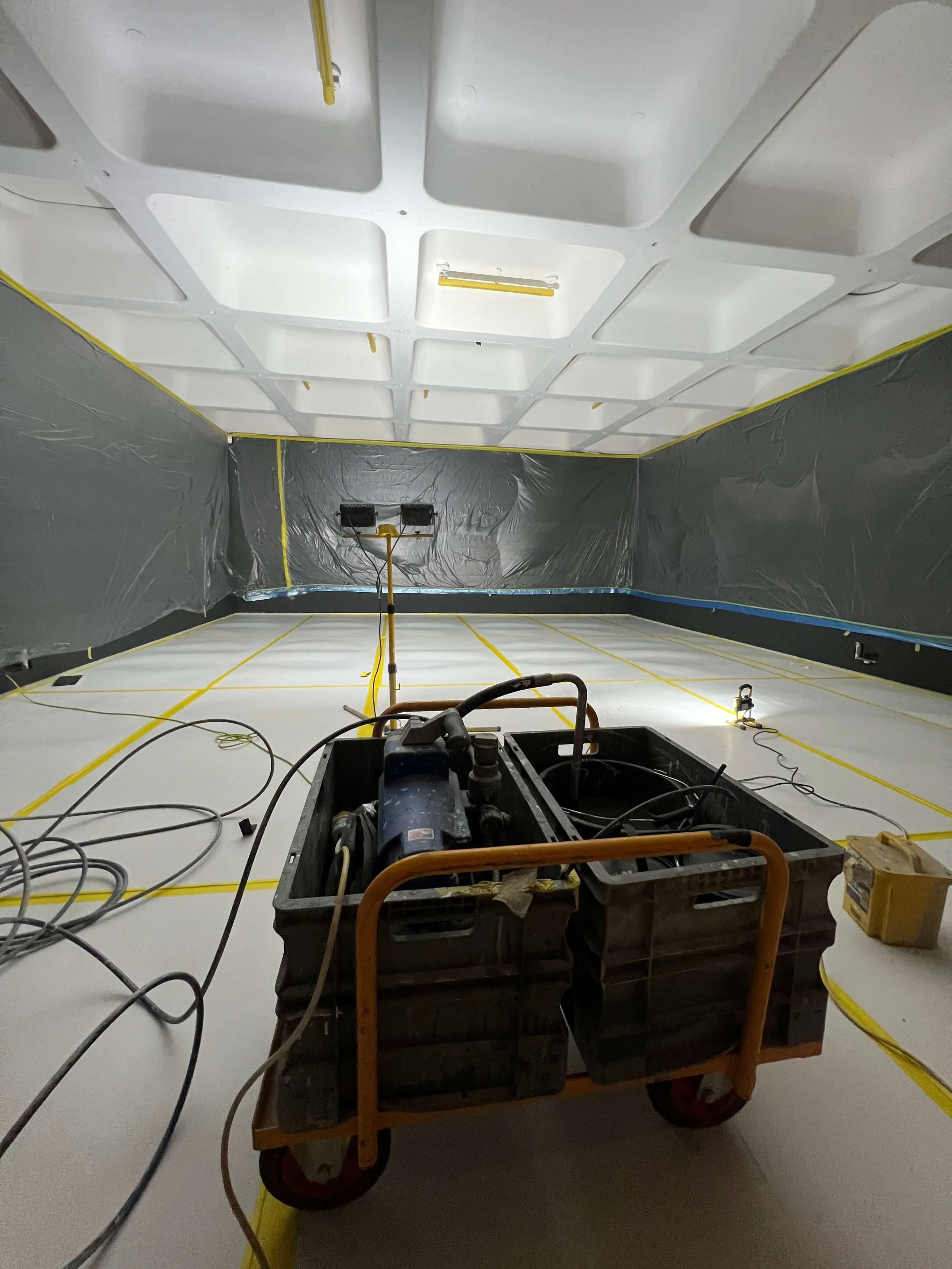
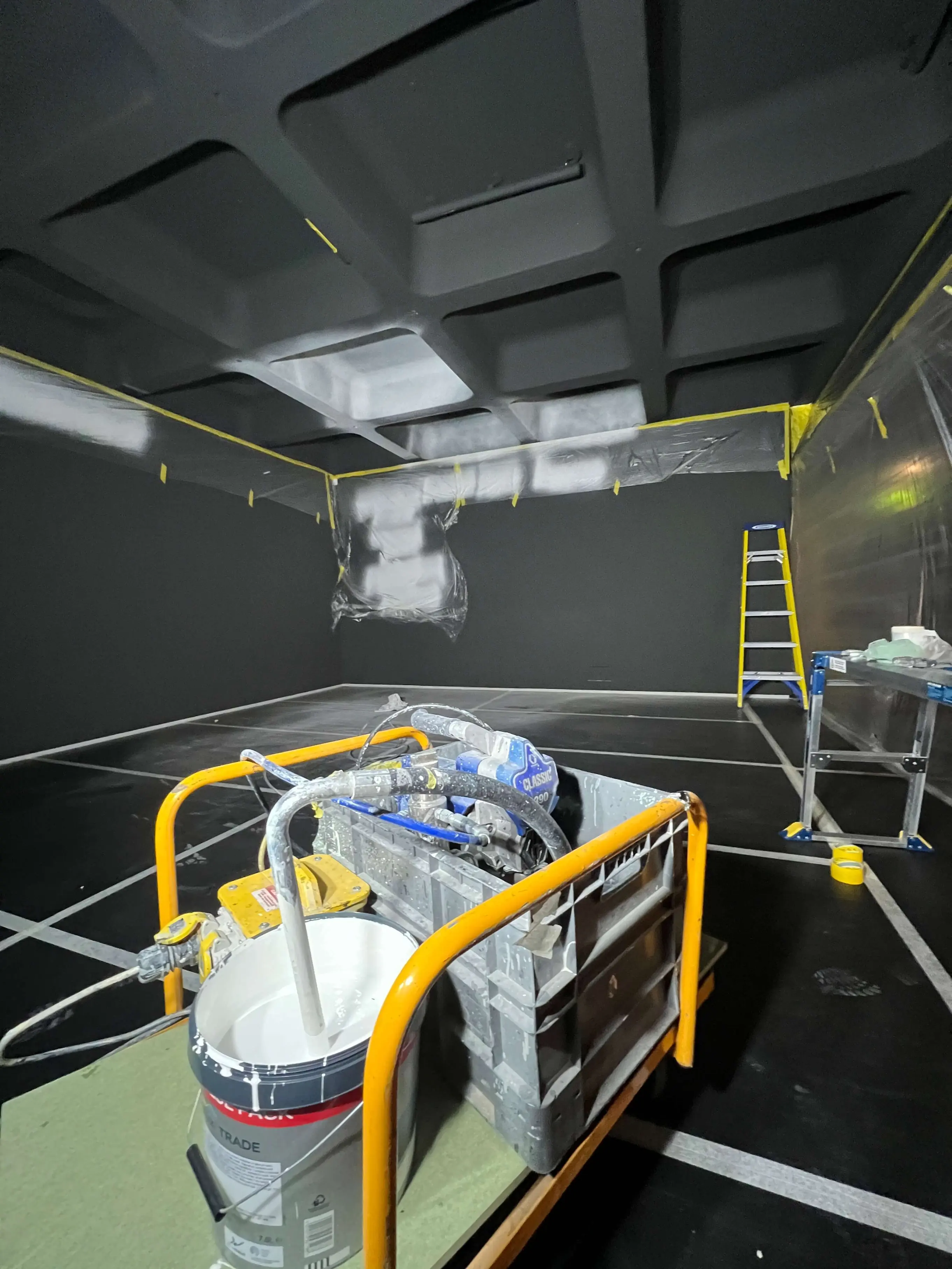
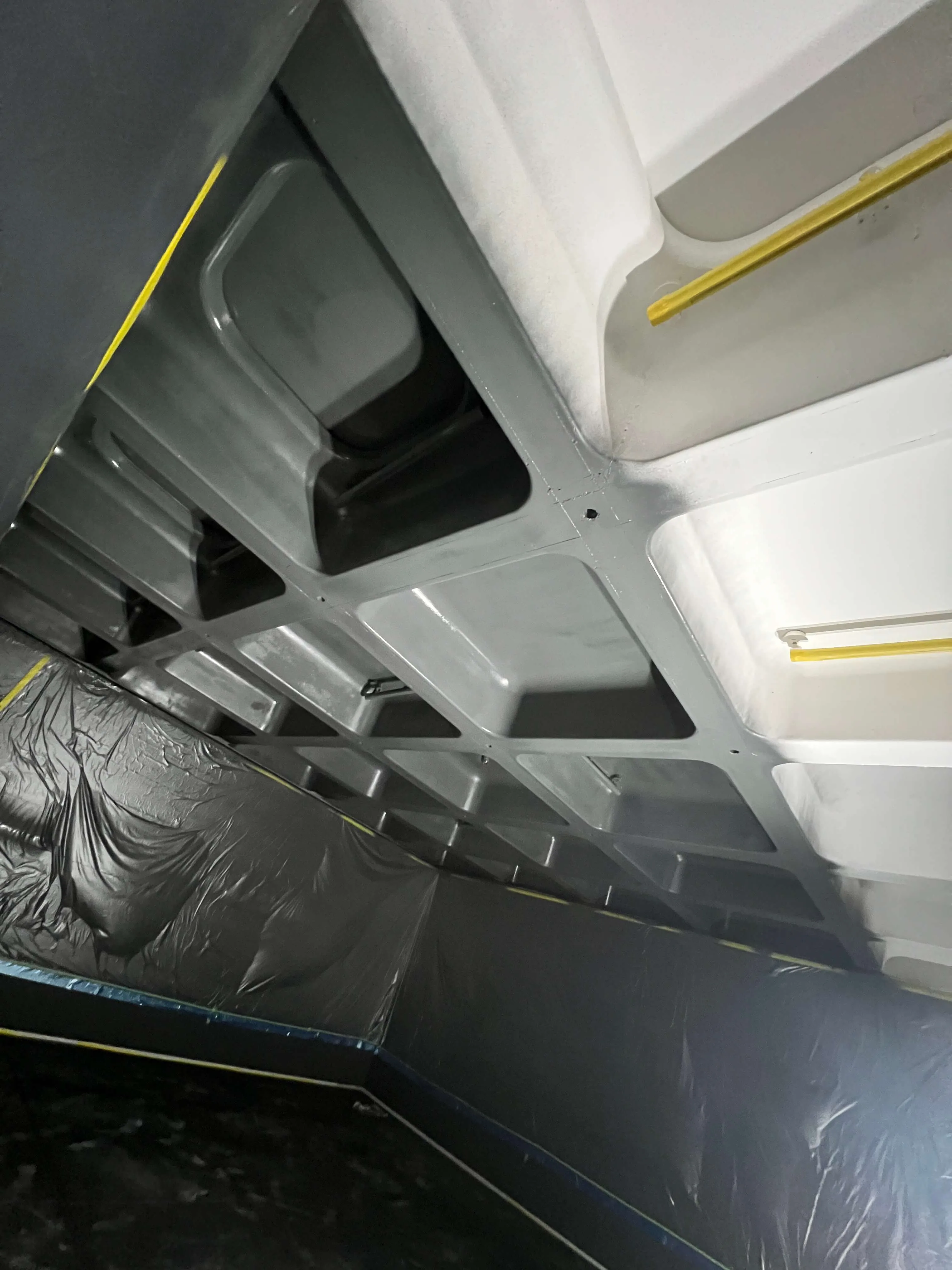
Commercial ceiling spray painting can refresh suitable overhead surfaces during fit-outs, landlord works and refurbishment. It is often considered for large soffits, roof decks or exposed ceiling schemes where many visible elements need a consistent colour. The finish may be light and unobtrusive or a darker scheme that changes the character of the space.
The work needs a defined scope. Not everything above head height should be painted, and some ceilings have acoustic, fire or hygiene performance that depends on their original construction and finish. These requirements must be understood before selecting a coating.
Identify the surfaces and their requirements
Plasterboard, concrete, timber and metal need different preparation and products. Previously painted surfaces also need assessment for stability and compatibility. Water staining may call for an appropriate stain-blocking primer, but the source of a leak needs to be resolved first.
Acoustic tiles and panels should only be included where their manufacturer's guidance permits the proposed treatment. Repainting can affect sound absorption, fire performance or warranty. Where existing performance cannot be retained through an approved method, replacement or leaving those elements uncoated may be more appropriate.
Preparation and protection
Dust, grease and loose material can interfere with adhesion. Preparation may include careful cleaning, local abrasion, repairs and priming suited to each surface. A sample helps establish colour and appearance, especially where several different substrates meet in an exposed ceiling.
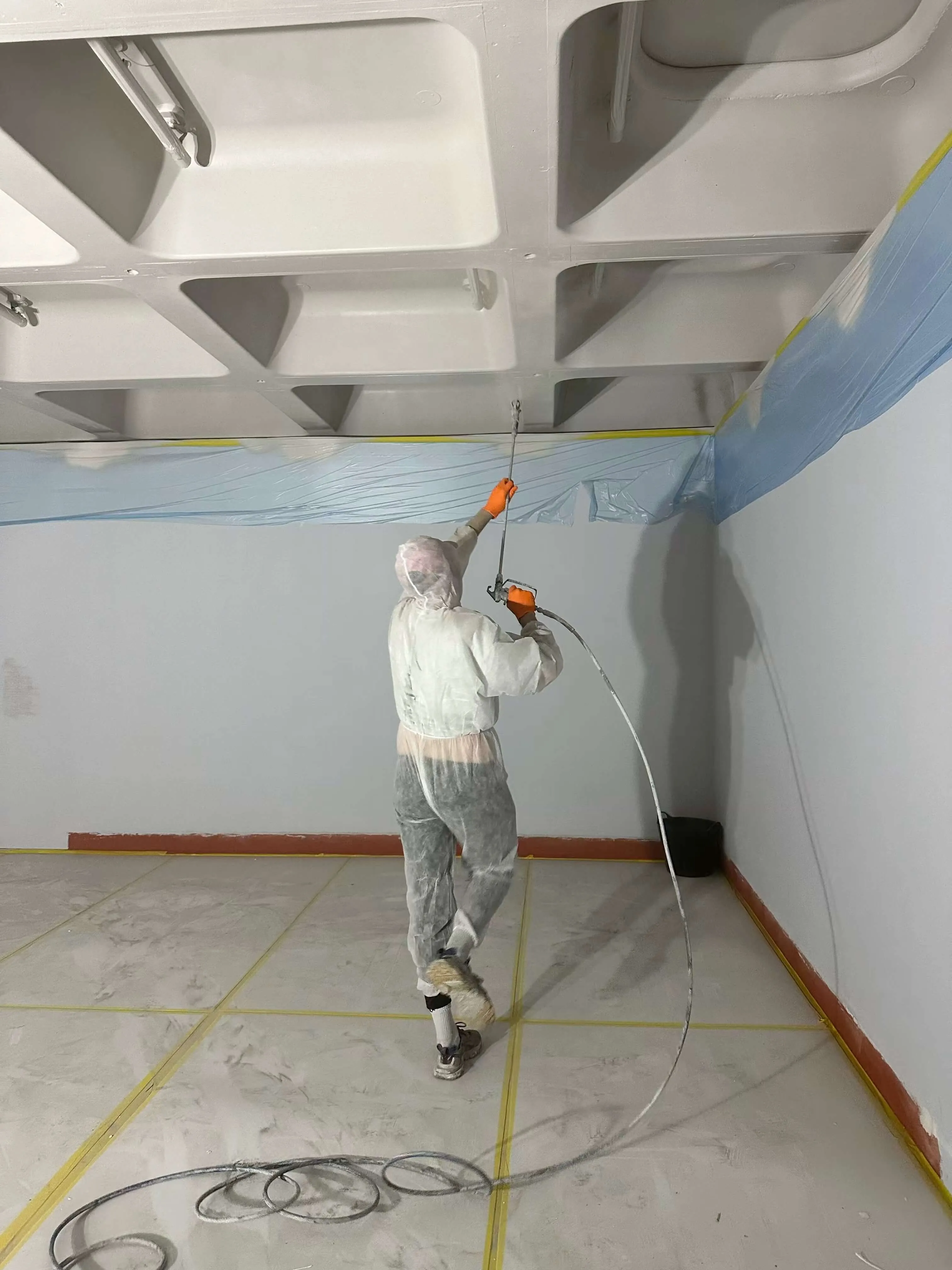
Floors, walls, stock, furniture, glazing and equipment below need protection. Detectors, sprinkler heads, ventilation openings, labels and moving or electrical components require specific consideration. Any necessary isolation or reinstatement of building systems must be coordinated with the responsible competent person and site procedures.
Coating selection and application
The chosen coating needs to suit the substrate and internal environment. A water-based product is not automatically suitable for every surface or every occupied area. Product information, ventilation and access restrictions all form part of the application plan.
Controlled spraying can cover complex profiles efficiently, while local brush or roller work may be appropriate for details. Coverage and drying follow the specification. Existing intumescent fire protection must not be overcoated as ordinary decoration without confirming that the proposed finish is compatible with its approved system.
Working around the space below
Access equipment needs sufficient working space and suitable ground support. Racking, partitions, machinery and changes in floor level can affect how the ceiling is reached. These constraints are reviewed alongside exclusion areas so that people are separated from preparation and spraying.
The programme includes time for moving or protecting contents, setting up access and allowing the area to become suitable for reoccupation. Phased or out-of-hours work may help, but it still needs the required ventilation and drying periods. The agreed arrangement should be clear to occupiers and other trades.
Completion and handover
Once the finish has been checked, protection is removed and the area is handed back through the agreed process. Any isolated services must be reinstated by the responsible party before normal occupation resumes. Keeping the product and colour information helps future maintenance teams make appropriate repairs without guessing the original specification.